How to Grow Okra? A Detailed Guide to Okra Cultivation Methods
Okra is an annual herbaceous plant with a taproot system; the main root is well developed and penetrates deep into the soil. The stem is erect, highly lignified, cylindrical, 1-2 m tall, with side branches, green or dark purple, and covered with coarse hairs. Okra prefers warmth and tolerates heat but fears cold. The optimum temperature for seed germination and growth is 25-30°C, and the optimum temperature during the flowering and fruiting stage is 26-28°C. An average monthly temperature below 17°C affects flowering and fruiting. Now let's take a detailed look at what the okra cultivation methods are.
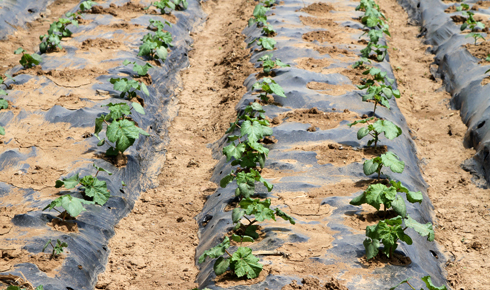
Okra Cultivation Methods
Sowing
(1) Varieties The main varieties of edible sunflowers include: conventional varieties such as Sandaomei, Xinghuo Huakui, Xinghuo Heidapian and Mei'er Huakui, etc.; hybrid varieties such as imported Dekalb DK119, domestic DK119, as well as RH118, RH3148, RH3708, RH3138, Meikui 138, etc. The main varieties of oilseed sunflowers include: S33 (Ao 33), S47, G101, Kws303, kws203, Kangdi 102, etc.
(2) Sowing time Sunflowers can generally be sown when the soil temperature at a depth of 10 cm reaches 8-10°C for 5 consecutive days. Generally, the suitable sowing period for conventional varieties in our county is late April. For hybrid varieties with a growth period longer than 105 days, the sowing period is generally around May 10; for those with a growth period shorter than 105 days, the sowing period is generally late May.
(3) Sowing method Sunflowers are best grown as a single crop, preferably concentrated in continuous plots, but they can also be planted on field ridges and along ditch edges. Sowing is generally done by dibbling with a corn dibbler, or by opening furrows with a hoe or dibbling with a shovel. The sowing depth should preferably be 3-5 cm.
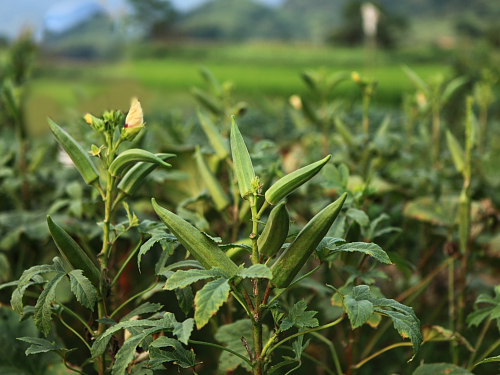
(4) Seed treatment In recent years, soil-dwelling pests have been severe, so seed treatment must be carried out before sowing. The specific method is: mix 1 liang of 40% isofenphos-methyl with 6-8 jin of water and spray it onto 60 jin of seeds, then let the seeds sweat for 6 hours. After the seeds are air-dried in the shade until 70% dry, they can be sown.
Field Management
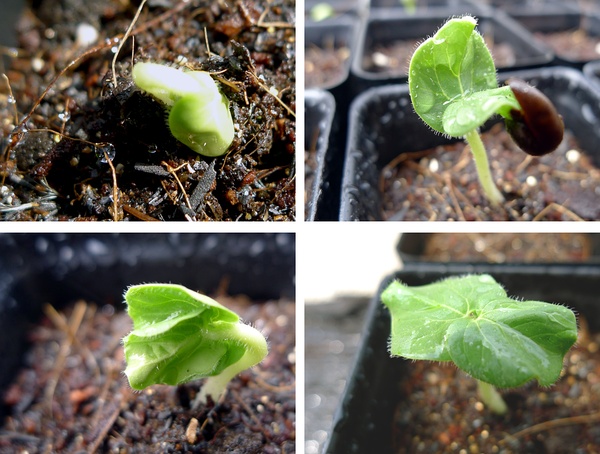
1. Thinning and final singling Sunflower seedlings grow fast and develop early. To prevent seedlings from crowding and becoming leggy, thinning should be done once the seedlings have 1 pair of true leaves. Then, when 2 pairs of true leaves appear, final singling should be done. In places with severe pests and diseases or prone to alkaline damage, final singling can be slightly later, but it should not be later than after the appearance of 3 pairs of true leaves.
2. Cultivation and weeding Sunflower fields are generally hoed three times. The first weeding is done together with thinning; the second hoeing is done together with final singling; the third cultivation and weeding is done before the rows close. While cultivating, soil should be hilled up to prevent lodging.
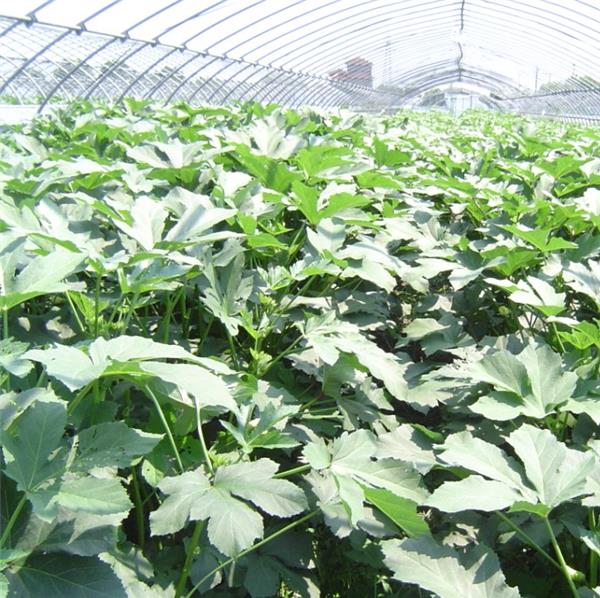
3. Watering Sunflowers are relatively drought-tolerant crops. Generally, no watering is needed at the seedling stage. The timing of the first irrigation should be appropriately delayed: water the first time before the sunflower budding stage, the second time at the flowering stage, and the third time at the grain-filling stage. Generally, watering three times during the whole growth period is enough. Later watering should pay attention to wind protection to avoid lodging. In addition, if there is continuous rain or prolonged high temperature and drought, watering should be reduced as appropriate, and foliar spraying should be carried out at the same time. Pay special attention that sunflowers must not lack water after flowering, and follow the principle of "water when dry, stop when wet."
4. Removing branches and artificial pollination Some sunflower varieties have a branching habit. Once branches appear, they disperse nutrients and affect the development of the flower head on the main stem. Therefore, when branches appear on the plant, they should be removed promptly.
The Benefits of Okra
Kidney-tonifying vegetable - okra has very high nutritional value. Okra is also called goat's horn bean, and Americans call it "plant viagra," which shows its kidney-tonifying effect. It can comprehensively boost a man's energy and physical strength, which is by no means the same as ordinary yang-tonifying and kidney-tonifying. Okra, the king of kidney-tonifying vegetables, is the best way to address physical fatigue.
Aids digestion and protects the stomach and intestines: The viscous substances in okra can promote gastrointestinal motility, help digestion, and benefit the stomach and intestines;
Lowers blood lipids: The viscous substances in okra contain 50% soluble fiber, which can effectively lower serum cholesterol and prevent cardiovascular disease;
Hypoxia tolerance: It can improve the body's ability to tolerate hypoxia;
Protects the liver: The pectin and polysaccharides in okra have liver-protecting effects and help prevent and treat constipation;
Prevents intestinal cancer: The viscous substances in okra contain 50% fiber, which helps promote bowel movements, detoxify, and prevent cancer;
Calcium supplementation: Okra not only contains an amount of calcium comparable to fresh milk, but its calcium absorption rate is 50-60%, which is 1 times higher than that of milk, making it an ideal calcium source;
Weight loss: Okra is a low-energy food and is a very good food for weight loss; Delays aging: Its flavonoid content is 2.8%, and it has antioxidant and anti-aging effects and helps prevent and treat diabetes;
Okra is eaten for its tender pods, which are tender and fresh in texture and rich in protein, vitamins, calcium, etc. Regular consumption of this kidney-tonifying vegetable can help digestion, protect the stomach, intestines, liver and skin, and enhance kidney function.