How to Grow Figs: A Detailed Guide to Planting Methods
With the development of science and technology and growing public attention to health and wellness, the fig, with its unique appeal, has earned the names "fine medicine and excellent fruit," "cancer-fighting warrior," and "guardian of human health in the 21st century." Research by experts at home and abroad has found that the fig is a treasure in every part, possessing six major benefits at once: preventing and fighting cancer, delaying aging, treating acute and chronic digestive tract diseases, boosting the body's vitality and eliminating sub-health, lowering blood sugar and blood lipids, and caring for the skin and enhancing beauty. Because its cultivation area is extremely small, we place it in the category of third-generation fruits, and it has extremely broad room for development. So what are the methods for growing figs in containers?
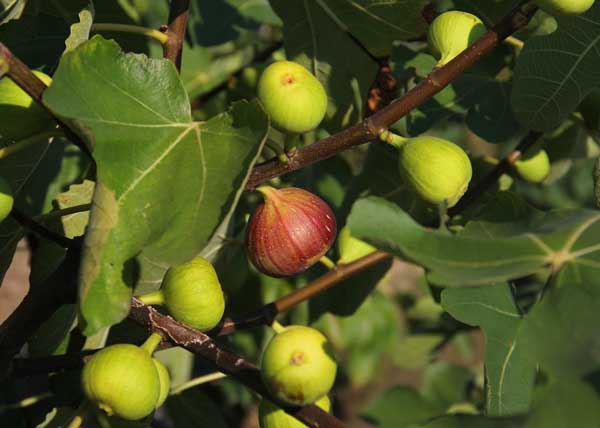
Methods for Growing Figs in Containers
1. The fig root system is fairly well developed and requires a relatively large container for cultivation. A large clay jar is generally used for planting, and it also needs a growing environment with more space; an open balcony, terrace, courtyard, and the like are all quite suitable for its growth.
2. The fig is not strict about soil, but for container growing it is best to use fertile soil with good air permeability. When planting or repotting, add decomposed cake fertilizer, chicken manure fertilizer, and other organic fertilizers rich in carbon, phosphorus, and potassium to the potting soil; this will make the fig's branches and leaves luxuriant and bring it into fruit early.
3. For container-grown figs, the amount of watering can basically be decided according to the progress of branch and leaf growth. In spring, when the branches and leaves are budding, water somewhat less, and just keep the potting soil at a certain moisture level. As the branches and leaves gradually grow larger and the temperature gradually rises, the fig also enters its fruiting stage; at this time increase the amount of watering, watering once in the morning and once in the evening to keep the potting soil moist. If watering is not timely, the branches and leaves are very likely to wilt and the fruit to drop. After entering the autumn fruit-ripening stage, reduce the amount of watering, since too much moisture will cause the fruit to split. On overcast and rainy days, besides controlling watering, also be careful to prevent water from accumulating in the pot, so as to avoid waterlogging damage.
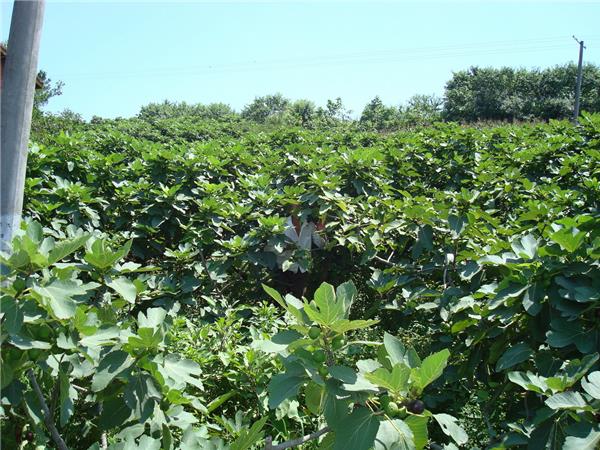
4. Fig shoots grow quickly, so pay attention to pruning and shaping in normal times, especially for container-grown figs; a trunk that is too tall not only affects the appearance but also makes routine care more troublesome. Therefore, container-grown figs must have the trunk limited to a certain height and must not be allowed to grow freely. The specific method is: when the trunk of the young plant grows to about 20 cm, cut off the tip so as to encourage it to sprout branches. According to your own preferences, prune it into a certain shape to enhance its ornamental value.
5. The fig is not cold-tolerant. Container-grown figs tended outdoors should be moved indoors promptly around the time of frost in late autumn. Those tended indoors should be placed for care on a sunny, well-ventilated balcony, living room, and similar spots. In winter the fig enters dormancy and growth tends to stall; at this time water flexibly according to the indoor temperature. If the room temperature is relatively high, water a little more; but if it is placed in a room at about 5°C, then control watering and keep the potting soil as dry as possible, so that it can pass through the winter safely.
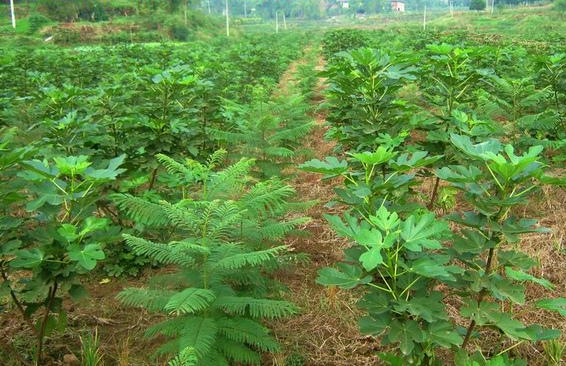
Fig Propagation Methods
Cutting, layering, sowing, and other methods can all be used for propagation, but in production practice asexual propagation is commonly used; sexual propagation is used only in breeding work.
(1) Cutting propagation: Fig branches readily produce adventitious roots, so cutting propagation is mostly used in production. Mid-February to late March is the suitable period for cuttings. From a robust mother plant, cut branches 1.5-2 cm in diameter. Cut them into cuttings 20-25 cm long, insert them into the seedbed at a plant-to-row spacing of 5 x 15 cm, with the buried depth about 1/3 of the cutting. After inserting, water and cover with straw; after they survive, pay attention to weeding and topdressing. In autumn, transplant once more at a plant-to-row spacing of 15 cm x 30 cm, and by the autumn of the second year they can be lifted from the nursery for field planting.
(2) Layering propagation: This method can be used for small-scale propagation beside a house or in a garden plot, or to bring fruiting earlier. Generally, horizontal layering, bending-branch layering, or mound layering is mostly used; that is, in spring bury the branches horizontally or bent into the soil, or mound soil over the base of the suckers, and after they take root, separate them from the mother plant in autumn or winter and plant them with roots.
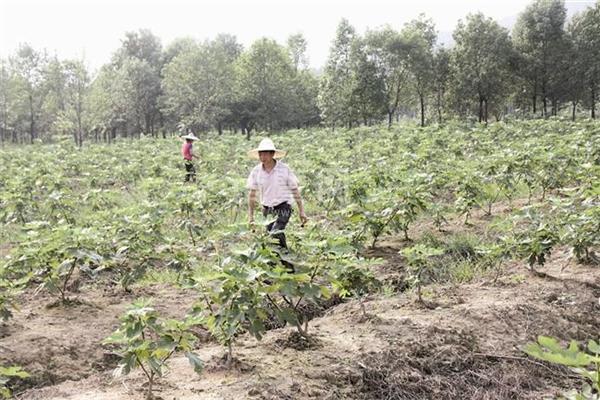
(3) Seed propagation: In autumn, collect the ripe fruit, take out the seeds, mix them evenly with moist fine sand for stratification, and take them out for sowing in early March of the following year. Sow the seeds evenly in the seedbed, cover thinly with fine soil, and cover with straw to retain moisture. About 20 days after sowing they can sprout. After emergence, carry out thinning, transplanting of seedlings, and strengthened management during the seedling stage, and so on. They can be lifted from the nursery for field planting only after 2-3 years of cultivation. Seedling trees bear fruit over a longer period of years and do not easily retain the superior traits of the mother plant, so this method is not often used in production. However, in breeding work, or in colder regions, when a new variety that is cold-resistant and early-maturing is to be obtained, this method plays an important role.
The economic, ecological, and social benefits of fig cultivation:
1. The fig is rich in nutrients and is a precious fruit. Its fruit is large and brightly colored, seedless within, full of juice and delicious, soft and sweet as honey. Every 100 g of flesh contains 15-28 g of sugar, higher than fruits such as lychee and apple, and 95% of the sugar it contains is monosaccharide, which is easily absorbed by the human body. Its VC content is 2.3 times that of orange, 28 times that of peach, and 27 times that of pear. It contains 18 kinds of amino acids in abundance, 2 kinds of amino acids essential for children, and is rich in elements such as copper, magnesium, germanium, zinc, iron, manganese, selenium, and boron. The fruit's milky juice also contains starch saccharifying enzyme, esterase, lipase, protease, rutin, growth hormone (auxin), and alkaloids. The fig also contains a kind of superoxide dismutase (abbreviated "SOD"; on the market its price is 600 times that of gold, reaching more than 70,000 yuan per gram, and it can effectively inhibit more than a hundred diseases such as cancer, inflammation, hypertension, rheumatoid arthritis, diabetes, and heart disease, with notable effects against radiation and chemotherapy, and especially a marked anti-aging effect). The soluble solids content of ripe figs reaches as high as 24%, and most varieties have a sugar content between 15% and 22%, exceeding that of many first- and second-generation fruit varieties by onefold. The fig fruit contains 18 kinds of amino acids, of which 8 are essential amino acids for the human body, and it has effects such as nourishing, moistening the intestines, stimulating the appetite, and promoting lactation.
2. The fig has extremely high medicinal value. Its fruit contains a large amount of pectin and vitamins; after the fruit absorbs water and swells, it can adsorb various chemical substances. Therefore, after eating figs, various harmful substances in the intestinal tract can be adsorbed and then excreted from the body, which can purify the intestinal tract, promote the proliferation of beneficial bacteria, inhibit the rise of blood sugar, maintain normal cholesterol levels, and quickly expel toxic substances. The fig contains abundant enzymes such as proteolytic enzyme, lipase, amylase, and oxidase, all of which can promote the breakdown of protein. Besides helping digestion, stopping diarrhea, treating sore throat, preventing and treating neuralgia, and lubricating the skin for a cosmetic effect, its most important medicinal value lies in its ability to significantly inhibit cancer; its anti-cancer effect is recognized by countries around the world, and it is hailed as the "guardian of human health in the 21st century." Therefore, the fig is not only a must-use fruit for people who pursue a high-grade, high-quality life and enjoy the pleasures of health care and disease prevention, but is also one of the excellent first-choice fruits for all tumor patients.
Seedling trees bear fruit over a longer period of years and do not easily retain the superior traits of the mother plant, so this method is not often used in production. However, in breeding work, or in colder regions, when a new variety that is cold-resistant and early-maturing is to be obtained, this method plays an important role.The economic, ecological, and social benefits of fig cultivation:
1. The fig is rich in nutrients and is a precious fruit. Its fruit is large and brightly colored, seedless within, full of juice and delicious, soft and sweet as honey. Every 100 g of flesh contains 15-28 g of sugar, higher than fruits such as lychee and apple, and 95% of the sugar it contains is monosaccharide, which is easily absorbed by the human body. Its VC content is 2.3 times that of orange, 28 times that of peach, and 27 times that of pear. It contains 18 kinds of amino acids in abundance, 2 kinds of amino acids essential for children, and is rich in elements such as copper, magnesium, germanium, zinc, iron, manganese, selenium, and boron. The fruit's milky juice also contains starch saccharifying enzyme, esterase, lipase, protease, rutin, growth hormone (auxin), and alkaloids. The fig also contains a kind of superoxide dismutase (abbreviated "SOD"; on the market its price is 600 times that of gold, reaching more than 70,000 yuan per gram, and it can effectively inhibit more than a hundred diseases such as cancer, inflammation, hypertension, rheumatoid arthritis, diabetes, and heart disease, with notable effects against radiation and chemotherapy, and especially a marked anti-aging effect). The soluble solids content of ripe figs reaches as high as 24%, and most varieties have a sugar content between 15% and 22%, exceeding that of many first- and second-generation fruit varieties by onefold. The fig fruit contains 18 kinds of amino acids, of which 8 are essential amino acids for the human body, and it has effects such as nourishing, moistening the intestines, stimulating the appetite, and promoting lactation.
2. The fig has extremely high medicinal value. Its fruit contains a large amount of pectin and vitamins; after the fruit absorbs water and swells, it can adsorb various chemical substances. Therefore, after eating figs, various harmful substances in the intestinal tract can be adsorbed and then excreted from the body, which can purify the intestinal tract, promote the proliferation of beneficial bacteria, inhibit the rise of blood sugar, maintain normal cholesterol levels, and quickly expel toxic substances. The fig contains abundant enzymes such as proteolytic enzyme, lipase, amylase, and oxidase, all of which can promote the breakdown of protein. Besides helping digestion, stopping diarrhea, treating sore throat, preventing and treating neuralgia, and lubricating the skin for a cosmetic effect, its most important medicinal value lies in its ability to significantly inhibit cancer; its anti-cancer effect is recognized by countries around the world, and it is hailed as the "guardian of human health in the 21st century." Therefore, the fig is not only a must-use fruit for people who pursue a high-grade, high-quality life and enjoy the pleasures of health care and disease prevention, but is also one of the excellent first-choice fruits for all tumor patients.