The parlor palm is a small tropical plant moved indoors for cultivation.
The parlor palm is native to South America and is a large potted ornamental plant. The plant can grow to about one meter, belongs to the typical foliage plant category, and has fairly high cultivation value.
I. Introduction to the parlor palm
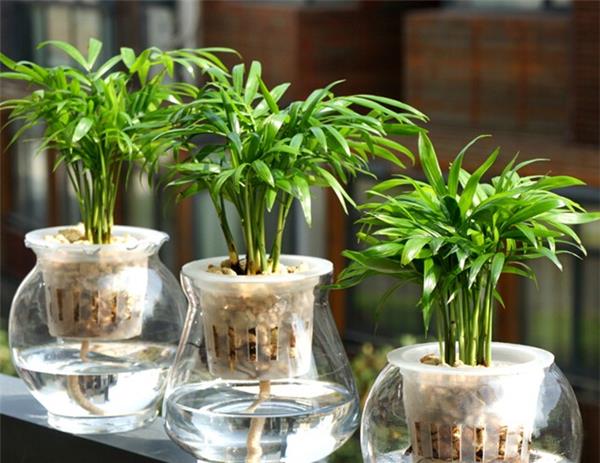
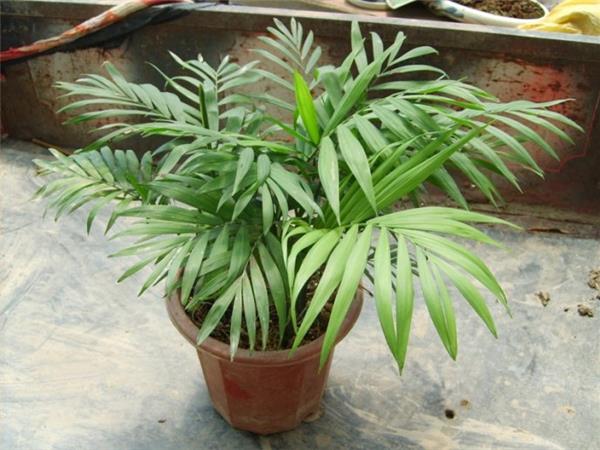
The parlor palm (scientific name chamaedorea elegans), also known as dwarf coconut, miniature palm, and dwarf palm. It belongs to the palm family, genus Chamaedorea, and is also called dwarf coconut, among other names; it is native to Mexico and Guatemala. The parlor palm is an evergreen small shrub, and the height of potted plants generally does not exceed 1 m. Its stem is upright, unbranched, dark green, and bears irregular patterns. The leaves generally grow at the top of the stem, are pinnately parted, with lanceolate segments, alternate, dark green, and glossy. They are 14~22 cm long and 2~3 cm wide; the bases of the top two pinnae are often fused into a fishtail shape, the young leaves are green, and the old leaves are dark green, with a glossy surface like waxwork. The spadix is axillary, the flowers are yellow and in small globular clusters, and the species is dioecious; the male inflorescence is slightly upright, while the female inflorescence droops slightly when nutritional conditions are good, and the berries are orange-yellow. The flowering period is spring. The leaf blades are flat, and mature plants are umbrella-shaped.
II. Applications of the parlor palm in the home
Air purification: it can simultaneously purify benzene, trichloroethylene, and formaldehyde in the air, making it a "high-efficiency air purifier" among plants, and it is very suitable for placement indoors or in newly renovated rooms.
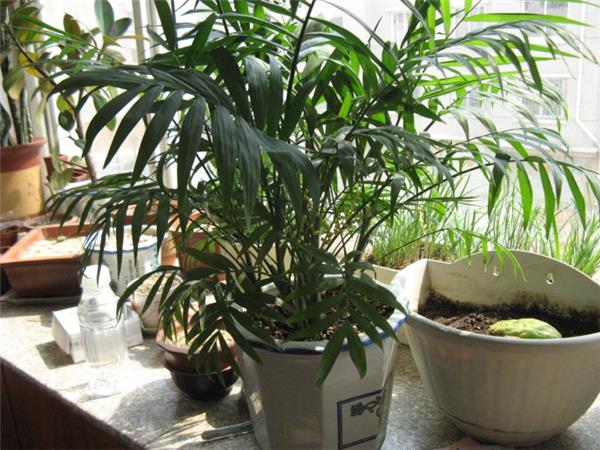
Beautifying the home: the parlor palm plant is small and exquisite, with a graceful plant shape, elegant posture, and thick, glossy dark green leaves, and strong shade tolerance, making it an excellent small- to medium-sized indoor potted foliage plant. The leaf blades are flat, and mature plants are umbrella-shaped, dignified and solemn, simple and elegant, with unrestrained leaves, lustrous and crystalline, giving people a feeling of sincerity and simplicity and full of vitality. Small plants are suitable for small pots, placed on a desk or tabletop as a treasured item, and are also suitable for hanging indoors to decorate the space. Larger plants can be displayed in halls, conference rooms, airport waiting rooms, and other places, making them an important foliage plant for beautifying interiors, and they have already become popular all over the world.
III. Cultivation methods for the parlor palm
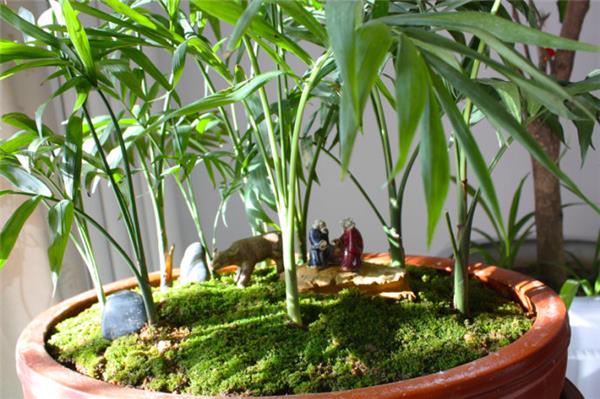
1. Soil: for the parlor palm, a well-drained, moist, fertile loam is best as the growing medium. When potting, a mixture of leaf mold and peat soil plus 1/4 river sand and a small amount of base fertilizer can generally be used as the medium.
2. Watering: the principle for watering is to keep it moist rather than dry, and it is enough to keep the potting soil constantly moist. In summer and autumn when the air is dry, spray water on the plant frequently to increase the ambient air humidity, which is beneficial to its growth and can also keep the leaf surface dark green and glossy; in winter, appropriately reduce the amount of watering to help it overwinter.
3. Sunlight: the parlor palm likes semi-shaded conditions, and direct sunlight should be avoided in hot seasons. Under strong sunlight, its leaf color will fade or turn yellow, and scorched leaves and black spots will appear, causing it to lose its ornamental value.
4. Temperature: the suitable growth temperature for the parlor palm is 20-30°C, it enters dormancy at 13°C, and the overwintering temperature is 10°C.
5. Fertilization: it does not have high fertilizer requirements; generally, apply liquid fertilizer 1-2 times per month during the growing season, and in late autumn and winter apply a little fertilizer or none at all.
6. Pests and diseases: under high temperature and high humidity, the parlor palm is prone to brown spot disease, which can be controlled by spraying 800-1000 times diluted thiophanate or baijunlingqing. When the air is dry and ventilation is poor, it is also prone to scale insects, which can be controlled by manual scraping and by spraying 800-1000 times diluted omethoate.
Well, that is all for the introduction on how to cultivate the parlor palm. I hope the above introduction can help everyone increase their confidence in cultivating parlor palms. The parlor palm has a free and easy plant shape and a unique ornamental effect, and is especially suitable for placement in the living room to enhance the quality of the home.