Seven key points to note when sowing dancing grass seeds for a higher survival rate
Sowing dancing grass from seeds is one of the main ways to propagate dancing grass, and to get the seeds to germinate successfully and grow healthy plants, you also need to put in plenty of effort in day-to-day care. Below, let's learn through seven aspects how to improve the sowing success rate of dancing grass.
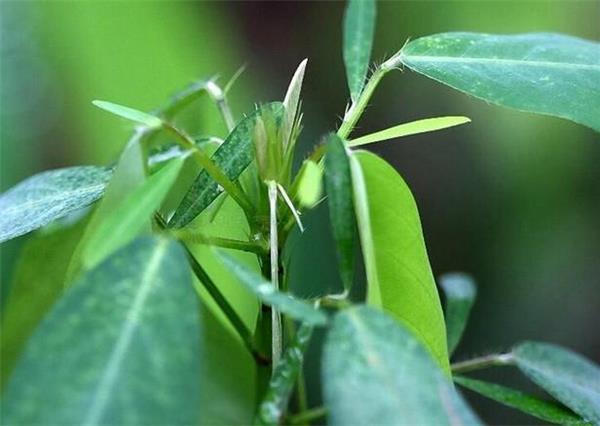
Note the seeds: Dancing grass seeds are hard, with a shiny waxy coating on the outside, and under natural conditions they take months to sprout. Therefore, before sowing, the dancing grass seeds need to have the waxy coating on the surface gently rubbed with sun-heated or dry-fried fine sand, so that the seed coat is slightly worn through, then soaked in 38°C warm water for more than 24 hours (the water can be changed several times during this period), then wrap the seeds in coarse cloth and place them in a warm, moisture-retaining spot. Once the seeds swell and are briefly dried in the sun, they can be sown.
Note seedling raising: Depending on the number of seeds, you can choose to sow in a seedbed or in pots. The seedbed soil should be loose and free-draining, and the top layer of seedbed soil is best sieved and disinfected. Simple disinfection methods are sun exposure, fumigation, or high-temperature treatment for half an hour, or spraying with a 1000-fold potassium permanganate solution and sealing with plastic film for 24 hours; after disinfection, store for a few days and it is ready to use. Before sowing, spray the seedbed with plenty of water, and after the water has seeped down, sow the seeds, then cover with 1-2 cm of fine soil, and finally spray water to moisten the bed and arch up a plastic film cover; if the temperature is suitable (seedlings emerge in about 15 days or so. At this point, the film should be removed according to local temperature conditions). For sowing after May, never cover with film, to avoid scorching the young sprouts.
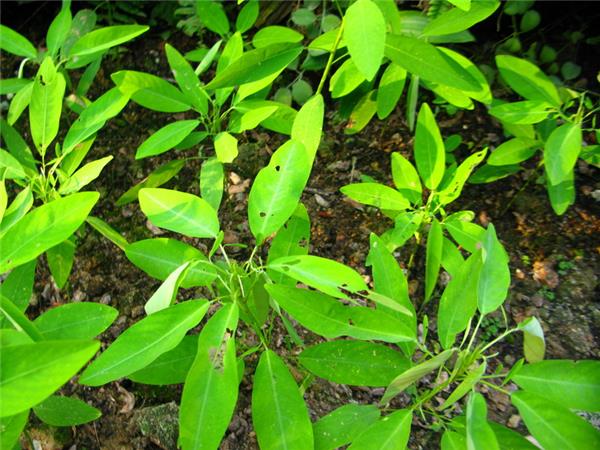
Note transplanting: When the seedlings are about 15 cm tall, they can be transplanted, with a plant spacing and row spacing of about 70 cm; for pot cultivation (pots with a 16-26 cm diameter), one plant per pot, while larger pots can hold 2-3 plants. The soil used can be neutral, slightly acidic or slightly alkaline, and is required to be loose, fertile and free-draining.
Note light and temperature: When the first pair of leaves of the dancing grass seed unfolds symmetrically, promptly remove the covering and place it in a sunny spot, but avoid direct sunlight. When the first pair of cotyledons of the dancing grass has fully unfolded and turned green, gradually increase the time spent in direct sunlight. Dancing grass is extremely sensitive to low temperatures when flowering; only when the daytime temperature reaches above 20°C and the nighttime temperature is not below 10°C can the flower branches grow and bloom, otherwise even flower branches that have already emerged cannot bloom at low temperatures, or bloom poorly, or even turn yellow and die. Dancing grass that flowers in autumn and winter should be given especially good insulation.
Note fertilizing: When the dancing grass has grown for more than a month, carry out the first fertilizing. During the seedling stage growth is slow, so you can apply 1-2 moderate waterings of dilute human urine and manure or a 0.1% urea solution; after watering, immediately use a fine spray can to spray clean water to wash off the fertilizer solution on the leaf surface, so as not to scorch the young leaves. When the plant has grown for 2-3 months, it reaches the flowering period of dancing grass, and a second fertilizing is needed.
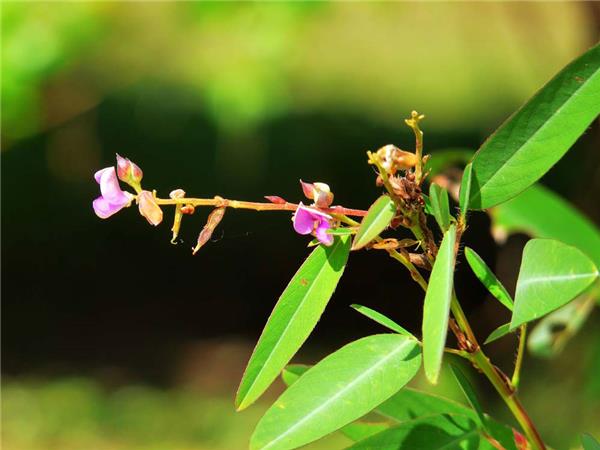
Note water: During the sprouting period, the growing medium needs to be kept moist. After sprouting, keep it somewhat on the dry side, with the surface of the growing medium dry and the interior still moist as ideal; water as much as possible in the morning, avoiding sunlight, and it is best to let the water sit for 4-6 minutes first to dissipate the chlorine in the tap water. When watering, it is best to use a fine-holed can, starting from a distance away from the plant and gradually moving closer to it, watering more around the edges and less near the plant, and try not to splash it on the leaves and stems.
Note pests and diseases: The main diseases are powdery mildew, anthracnose, leaf spot, root rot and phytophthora blight. When disease occurs, promptly prune off and burn diseased leaves. Spray 50% carbendazim wettable powder at 500-fold dilution or thiophanate wettable powder at 500-fold dilution, applying once every 10-14 days; in addition, alternately spraying Bordeaux mixture (1:1:100) or Tuzet with Bordeaux mixture 3-4 times is quite effective against leaf spot. The main pests are cutworms, mealybugs, thrips, mites, armyworms and so on, which can be controlled with the corresponding pesticides.
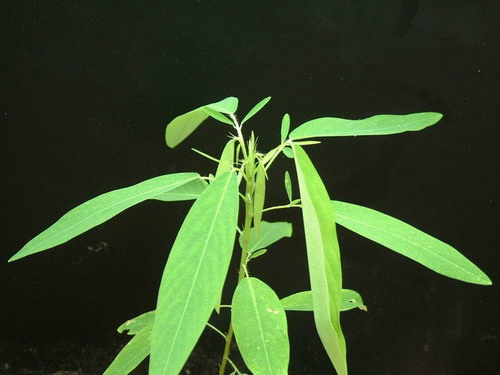
Finally, it should be mentioned that in addition to selecting and treating seeds, you can also choose tender seeds as sowing seeds; so-called tender seeds are seeds that are seventy percent ripe, because such seeds have not yet formed too much wax on the surface, so sometimes they can sprout quickly even without soaking.