Camellia Growing Methods and Ten Precautions Explained in Detail
Camellias are relatively easy to keep alive, but to ensure their flower quality and ornamental value, we will still introduce their daily care methods from ten aspects below.
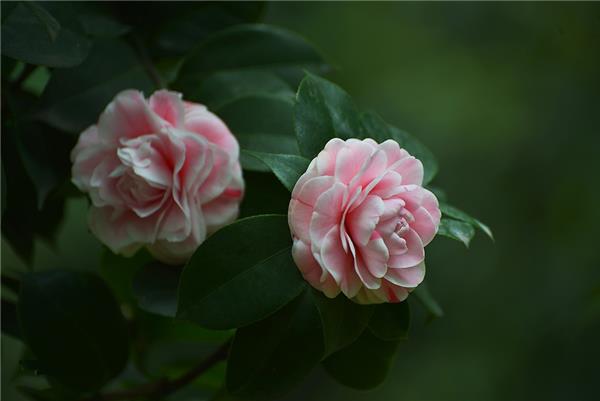
Soil: Soil is the foundation of camellia growth. All nutrients and so on for camellias are obtained from the soil, so the requirements for soil are quite high. Generally, the soil should be relatively rich in humus, with a pH between 5-6.5, slightly acidic. The best soil mix is: 50% mountain soil, 40% sawdust or edible mushroom residue, and 10% cake fertilizer powder or livestock manure and phosphate fertilizer powder.
Ventilation: The place where camellias grow has extremely high requirements for air circulation. They grow best in a gentle breeze, but camellias are very afraid of northwest winds and strong winds, because northwest winds and strong winds easily cause water to evaporate too quickly, making the supply and demand for camellias lose balance, which is not conducive to camellia growth.
Watering: Potted camellias should keep the soil moist, but it should not be overly moist or show signs of being too dry or too wet. In spring, watering can be appropriately increased to promote budding and new shoots. In summer, insist on watering in the morning and evening, and it is best to spray water on the leaf surface so the leaves are thoroughly wet. Avoid direct watering with a strong stream or full flooding, and avoid watering around midday when temperatures are high. In autumn, watering should be moderate. In winter, watering should be done around midday.
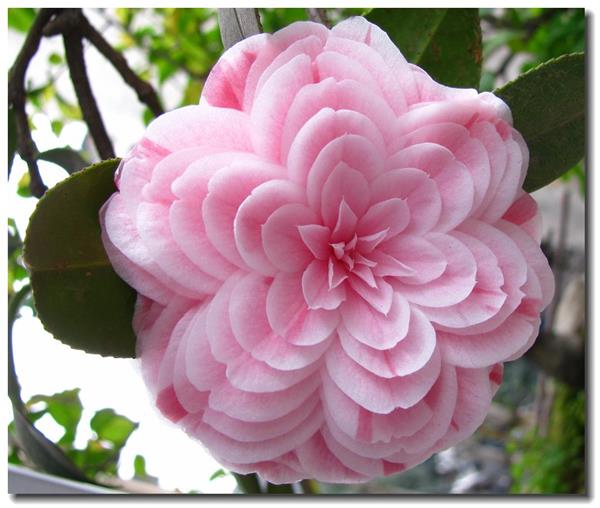
Fertilizing: Camellias like fertilizer. When potted, base fertilizer is needed. Fertilizing should mainly use phosphorus and potassium fertilizers. Applied fertilizers include decomposed bone meal, hair, chicken feathers, rice husk ash, poultry manure, and superphosphate and other substances. Usually, do not fertilize too much. Generally, from April to May after flowering, apply 2 to 3 times of dilute fertilizer water. In November of autumn, apply one application of slightly stronger liquid fertilizer. When using fertilizer, note that the proportion of phosphorus fertilizer should be slightly larger to promote abundant flowers and bright colors.
Humidity: Generally, indoor air is drier in winter, so water should often be sprayed on camellia leaves to create a humid microclimate. However, do not spray water on cloudy and rainy days.
Temperature: The suitable temperature for camellia growth is between 20-32°C. Growth stops above 29°C, and at 35°C the leaves will show scorching. A certain temperature difference is required. Environmental humidity should be above 60%. Most varieties can tolerate a low temperature of -8°C (natural overwintering; Yunnan camellias are slightly less cold-tolerant). In areas south of the Huai River, they can generally overwinter naturally. They prefer acidic soil and require good air permeability.
Light: Camellias are semi-shade flowers, so in summer they need a shed for shade. After the Start of Autumn, when temperatures drop, camellias enter the flower bud differentiation stage, and the whole plant should gradually receive sufficient light. In winter, they should be placed indoors in a sunny spot. If indoor light is too weak, camellias will grow poorly and are prone to pests and diseases.
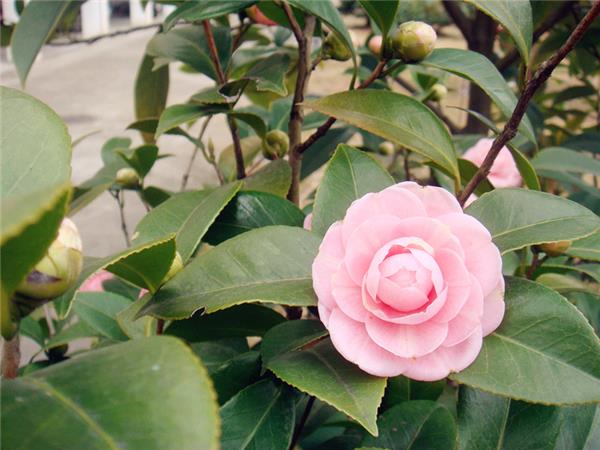
Repotting: Many people overlook this point. Many people plant them and then never repot them. In fact, this is very wrong. Camellias generally need to be repotted once every two years, and a larger pot should be used, as this is beneficial to their growth. The timing of repotting requires special attention, and it is best in April. When repotting, also pay attention not to remove all the old soil, and add a small amount of base fertilizer inside, then water.
Pests and diseases: The main diseases of camellias include black mold and anthracnose, which can be prevented and controlled by spraying 0.5-degree Bordeaux mixture. The main insect pest is the tea shoot moth. The control method is to cut off the infested shoots, generally best done from April to June.
Flowering period control: Because camellias are not cold-tolerant, delaying the flowering period is not very commonly used. Generally, methods such as selecting varieties, temperature control, and hormone treatment are used to control the flowering period. To make camellias bloom on "National Day", in mid-July or early August, use a brush to dip 0.1% gibberellin and dot it on the flower buds once every 3 days, with normal fertilizer and water management. In September, check the flower bud growth to decide whether to apply it to the flower buds. If it is estimated that blooming on "National Day" is not guaranteed, increase the number of applications to the buds and increase the amount of fertilizer and water to promote rapid flower bud growth so that flowers can be seen on "National Day".
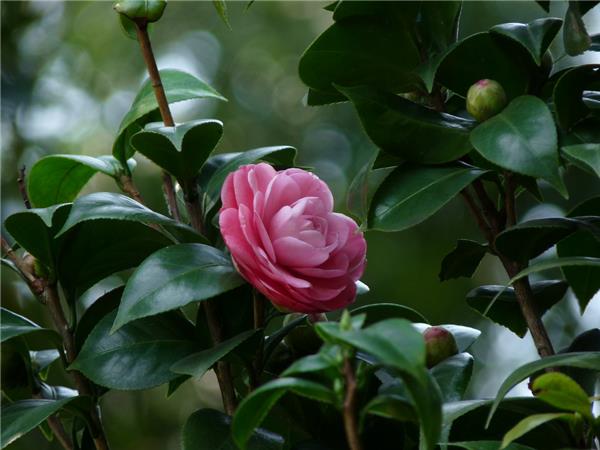
The ten points introduced above are the areas that must be noted in the process of growing camellias. We hope the above introduction can help everyone improve the success rate of growing camellias.