Differences Between Crassula obliqua and Jade Plant and How to Tell Them Apart
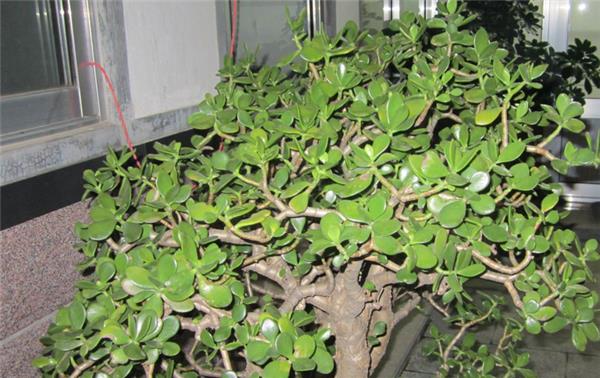
Crassula obliqua is the variety that gardeners most easily confuse with the jade plant. As for whether Crassula obliqua and jade plant are the same plant, with Crassula obliqua as the Chinese name and jade plant as an alias, let us look into this. The Crassula obliqua plant has a multi-branched subshrub form, with obvious round stems, green or yellowish-brown epidermis, and small dots on the leaves.
I. Differences Between Crassula obliqua and Jade Plant
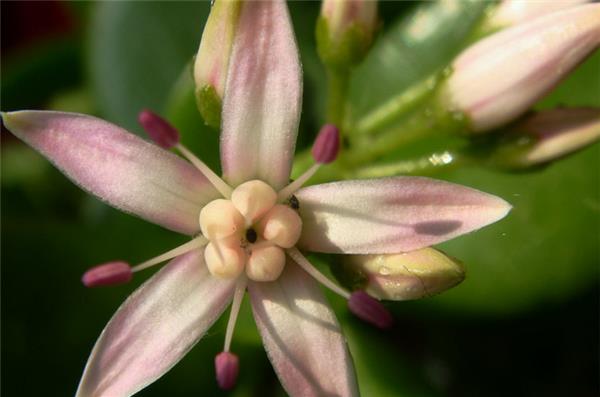
The jade plant is a succulent fleshy subshrub. The plant height is 1-3 m. The stem is fleshy and thick, with grayish-white, light-colored bark, many branches, and brownish-green, darker-colored twigs. The leaves are fleshy, ovate, about 4 cm long and 3 cm wide, grayish-green, with a red tinge along the edges. The flowering period is late spring and early summer, with tubular flowers 2 cm in diameter, white or pale pink; Crassula obliqua is an evergreen small shrub. The plant height is 1-3 m, the stem is fleshy and much branched. The leaves are fleshy, ovate, 3-5 cm long and 2.5-3 cm wide, grayish-green, with red edges. The flower diameter is 2 mm, white or pale pink.
Although Crassula obliqua looks very similar to the jade plant, botanically they are completely different.
The differences between the two are:
1. The jade plant has a thin red edge along the leaf margin, while Crassula obliqua does not;
2. The jade plant's leaves are smaller, while those of Crassula obliqua are relatively larger;
3. The jade plant's stem is firmer and more upright, while that of Crassula obliqua is softer. However, the habits and care of both are basically the same.
II. How to Grow and Care for Crassula obliqua
Crassula obliqua is also called jingtain tree, douban palm, and thick face skin. It belongs to the Crassulaceae family, Crassula genus; Crassula obliqua is native to southern South Africa and is an evergreen small shrub. It likes warmth, tolerates drought, is not cold-tolerant, likes sunlight, also tolerates partial shade, and grows well under scattered light. It likes fertile sandy loam. The winter temperature should not be lower than 7°C.
Every spring, Crassula obliqua needs repotting, with fresh fertile soil added. Crassula obliqua grows relatively fast, so to keep the plant full and shapely, fertilizer and water should not be excessive. During the growing period, water 2-3 times a week. In the hot and humid July-August, be sure to water less; Crassula obliqua itself is relatively drought-tolerant. In midsummer, if ventilation is poor or there is excessive water shortage, the leaves may also turn yellow and fall off, so it should be kept in partial shade. After autumn begins, gradually reduce watering. When grown outdoors, avoid being drenched by heavy rain, otherwise too much water accumulates at the roots and root rot easily occurs. When repotting each year or bringing it indoors in autumn, pay attention to shaping and pruning while maintaining its form.
Crassula obliqua is generally propagated by cuttings. During the growing season, cut plump, full terminal branches 8-10 cm long, let them dry slightly, then insert them into a sand bed; they root about 3 weeks after insertion. Single-leaf cuttings can also be used; after cutting the leaf, wait for it to dry. Then insert it into a sand bed; it roots about 4 weeks after insertion, and when the roots are 2-3 cm long, pot it up.
III. What to Do If Crassula obliqua Drops Its Leaves
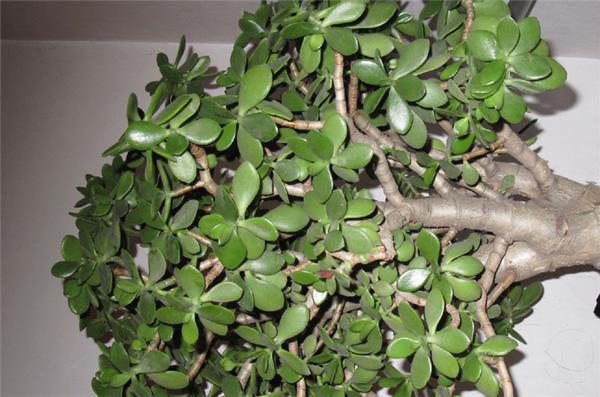
Crassula obliqua is also called jingtain, fleshy evergreen. Its branches and leaves are thick and fleshy, clearly layered, and contain a large amount of water. It belongs to the succulent and fleshy plants and is very drought-tolerant. Under normal conditions, a large amount of leaf drop is mostly caused by overwatering, with the potting soil staying wet for a long time, which causes the root system to rot. In addition, leaves often drop in midsummer and around the Spring Festival. The former is often due to stuffy hot weather; if placed outdoors in the sun and then exposed to rain, an abscission layer forms at the base of the leaf stalk and the leaves fall off, so in summer it should be moved to a well-ventilated indoor spot to prevent heatstroke and cool down. The cause of leaf drop in winter or early spring is mainly too low room temperature; at this time they should be placed under a south-facing window to receive more sunlight, and at night placed near heating equipment to prevent freezing, with less watering, watering only after the soil has dried thoroughly. After spring begins, gradually increase the amount of watering as the branches and leaves grow; at this time, suddenly giving a heavy watering or applying concentrated fertilizer will cause leaf drop.
If the soil is too dry, the leaf tips soften, so be sure to water; when the air is dry, water a little less; when it dries quickly, water a little more; once it has already dried out, use less water and wait for the plant to slowly recover, otherwise root rot is easy. If you are afraid of root rot, dig it up and take a look; if it is fine, replant it. I am afraid the root is fine, fine, no root rot, no rotten areas, just recut and insert. As for breaks.
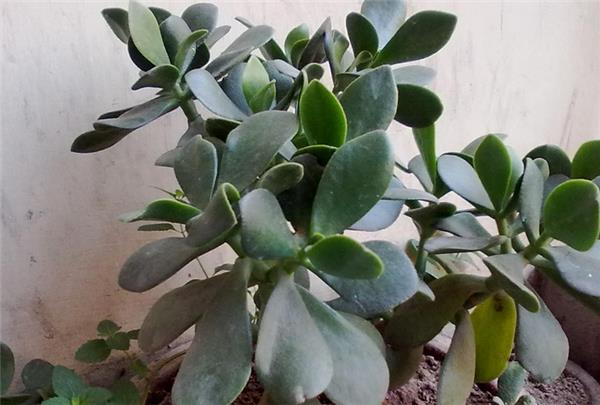
Crassula obliqua is not uncommon in home greenery displays, but many people do not know enough about its name and habits, so they are also not clear enough about how to grow it. That is all for the introduction to growing Crassula obliqua, and I hope it is helpful to everyone.