How to Grow Jade Plant? Cultivation Methods and Daily Care Tips
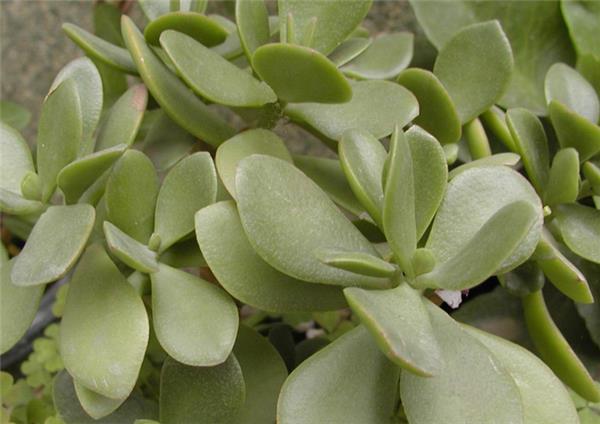
The jade plant (Crassula ovata) is a plant with thick, fleshy leaves, emerald-green stems and leaves, and small, elegant white flowers. It is quite common among green plants used for home decoration. Below, let us learn about the cultivation methods for the jade plant:
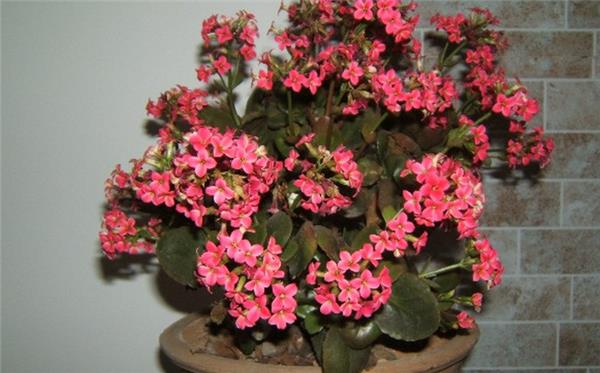
I. How to Grow Jade Plant
1. Soil: For potted jade plant, the suitable soil is a mix of leaf mold and garden soil with a small amount of river sand added as the growing medium. A little hoof and horn meal or other slow-release fertilizer can be added as a base fertilizer.
2. Temperature: The optimal growing temperature for the jade plant is 15°C to 32°C. It fears high temperatures and stuffiness, and enters dormancy when the summer heat exceeds 33°C. It is averse to cold and frost; the overwintering temperature needs to be kept above 10°C. It also enters dormancy when the winter temperature drops below 7°C. If the ambient temperature approaches 4°C, it will die from frost damage.
3. Sunlight: The jade plant likes sunlight. Insufficient light easily leads to damp heat, root rot, and leaf drop, but the intense summer heat and strong direct sunlight are unfavorable for plant growth. In winter, the pot should be moved to a sunny spot in a shed to keep the leaves fresh and green.
4. Watering: From spring to autumn, the jade plant can be watered once every 1 to 2 days; avoid water accumulating in the pot. In the high heat of summer, when the temperature reaches above 30°C, the plant is in a dormant or semi-dormant state, so watering should be controlled. At the same time, shading and cooling measures should be taken; the ground around the pot can be sprayed with water 2 to 3 times a day, and attention should be paid to ventilation. In winter, the frequency of watering should be appropriately reduced to keep the potting soil slightly dry.
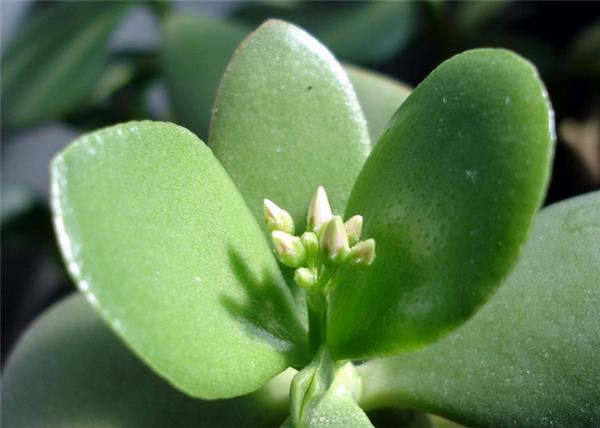
II. Precautions for Growing Jade Plant
For potted jade plant, it is advisable to use a mix of 2/3 leaf mold and 1/3 garden soil with a small amount of river sand added as the growing medium. A little hoof and horn meal or other slow-release fertilizer can be placed at the bottom of the pot as a base fertilizer. To facilitate drainage, some gravel or broken tiles should also be placed at the bottom of the pot. From spring to autumn, it can be watered once every 1 to 2 days; avoid water accumulating in the pot. In the high heat of summer, when the temperature reaches above 30°C, the plant is in a dormant or semi-dormant state, so watering should be controlled. At the same time, shading and cooling measures should be taken; the ground around the pot can be sprayed with water 2 to 3 times a day, and attention should be paid to ventilation.
In winter, the frequency of watering should be appropriately reduced to keep the potting soil slightly dry. Cultivation and management are relatively extensive, and generally no fertilizing is needed. If growth is too weak, some potassium-containing liquid fertilizer can be added, or a dilute decomposed cake fertilizer solution can be added once a month during the growing season. The optimal growing temperature for the jade plant is 15°C to 25°C, and the overwintering temperature should be kept above 7°C; below 5°C it is prone to frost damage. The intense summer heat and strong direct sunlight are unfavorable for plant growth. In winter, the pot should be moved to a sunny spot in a shed to keep the leaves fresh and green. Generally, the pot should be changed once every 1 to 2 years, and the soil needs to be loose, fertile, and well-draining.
III. The Role of Jade Plant in the Home
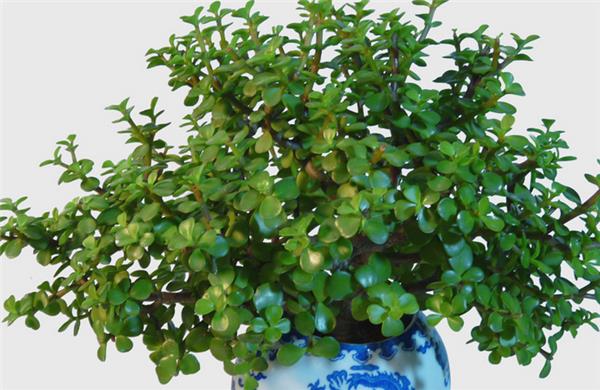
In contemporary society, more and more people pursue an aesthetically pleasing home environment and choose to buy plants to decorate their beautiful homes. The jade plant is a good choice: thick branches and leaves, evergreen throughout the four seasons, peculiar leaf shape, dignified plant form, easy to cultivate, and simple to manage. It is suitable for potting and for decorating interiors, elegant and refined. With emerald-green stems and leaves and terminal white flowers, it is very beautiful. Paired with a pot stand and gravel and processed into a small bonsai, or cultivated into the appearance of an ancient tree with an old stump, it is even more attractive. The jade plant is a perennial evergreen succulent, known as the fleshy evergreen. Gazing often at green plants effectively relieves mood and also effectively relieves the eye fatigue of office workers.
It is a very good landscaping plant with a certain air-purifying effect. It is non-toxic and can be placed indoors, and it also has a certain anti-radiation effect, so it can be grown indoors with peace of mind. It absorbs harmful gases, reduces noise, kills bacteria, creates a comfortable living environment, and can also cultivate character, improve health, and enhance cultural and artistic accomplishment. Extracts from the jade plant used in medicine can effectively treat diabetes.
However, the sap of the jade plant is toxic. Do not let young children accidentally ingest the sap, otherwise it will cause skin redness, swelling, pain, and blistering. This point requires particular attention.
In some African tribes and among the San people, the jade plant is used as a food ingredient. They grind and cook the roots and trunk of the jade plant, then make it into a paste-like food to drink. The leaves can also be used medicinally; adding some jade plant leaves when boiling milk and drinking it can treat diarrhea. That is all for today's introduction to the jade plant. Thank you all for your attention.