A detailed guide to peanut growing techniques: how to grow peanuts
What are peanut growing techniques? Production practice has proven that only with full stands of strong seedlings, many and uniform flowers, and abundant and plump pods can peanuts achieve high yield and high returns. To achieve these goals, the following comprehensive measures should be taken:
Peanut Growing Techniques
Seed Preparation
Doing a good job of seed preparation before sowing is crucial for ensuring a full stand after sowing and improving peanut yield and quality.
(1) Seed selection. Before shelling, select the pods kept for seed again, choosing plump two-seeded pods as seed. After shelling, grade the seeds by hand: first pick out shriveled seeds, small seeds, broken seeds, seeds infected by pests or diseases, and moldy seeds, then divide the seeds by size into grade one, grade two, and grade three, and sow them by grade, but grade three seeds are generally not used for seed.
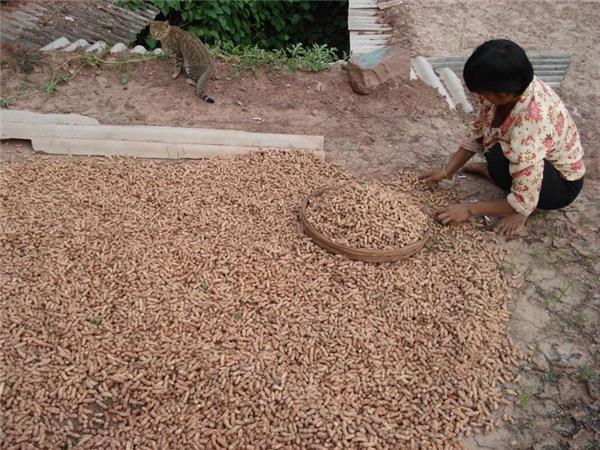
(2) Sunning the pods before sowing. Sunning the pods can increase the after-ripening of the seeds, break seed dormancy, promote enzyme activity, help the transformation of nutrients within the seeds, and improve seed vitality; sunning the pods can dry the seeds, enhance seed coat permeability, increase the osmotic pressure of the seeds, strengthen water absorption capacity, and promote seed germination and sprouting, with particularly obvious effects on seeds of poor maturity and seeds that have been damp during storage; sunning the pods can also have a sterilizing effect.
(3) Shelling. Peanuts should not be shelled too early. This is because shelled seeds readily absorb water, enhance respiration, accelerate enzyme activity, promote material transformation, consume large amounts of nutrients, and reduce germination capacity. Therefore, the closer the shelling time of peanuts is to the sowing period, the better.
(4) Germination test. The germination test is one of the procedures that must be carried out before sowing for all kinds of crops. Through the germination test, first, waste can be reduced; second, necessary remedial measures can be taken early. Through the germination test, the seed value of peanuts can be known in advance. Seeds that have basically lost their germination function should be replaced in time and used for other purposes; for seeds with a relatively low germination rate, methods such as soaking seeds to promote germination or appropriately increasing the sowing rate can be used to make up for it.
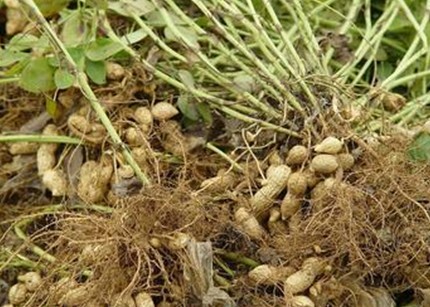
(5) Chemical seed dressing. According to different requirements, seed dressing with different chemicals can improve the peanut's resistance to pests and diseases, or supplement nutrient elements to enhance the vitality of peanut seeds, or enhance their drought resistance, and so on, ensuring neat, full, and strong peanut seedlings, and laying a good foundation for high-quality and high-yield peanuts.
① Seed dressing. Chemical seed dressing: use 50% carbendazim wettable powder, or 40% seed-dressing ling wettable powder at 0.3%-0.5% of seed weight for seed dressing, which can effectively prevent root rot and seedling death; use 50% phoxim emulsion at 0.2% of seed weight for seed dressing, or use 50% chlordane emulsion at 0.1%-0.3% of seed weight for seed dressing, which can control soil-dwelling pests during the seedling stage.
② Seed soaking and germination promotion. Seed soaking and germination promotion is one of the important measures for securing a full stand, creating suitable conditions for seed germination through artificial methods. Germination promotion helps resolve the contradiction between early sowing and seed rot caused by low temperatures, allows timely sowing at the right time, and can also ensure good seeds are planted in the field, reducing seed waste. Depending on the weather, if low-temperature weather persists, the simplest method of germination promotion is to soak the seeds in warm water at 40°C for 3-4 hours; after the seeds have absorbed enough water, take them out and place them in a basket, cover with plastic film, and place at 25-30°C to promote germination; after 24 hours they can sprout and be sown.
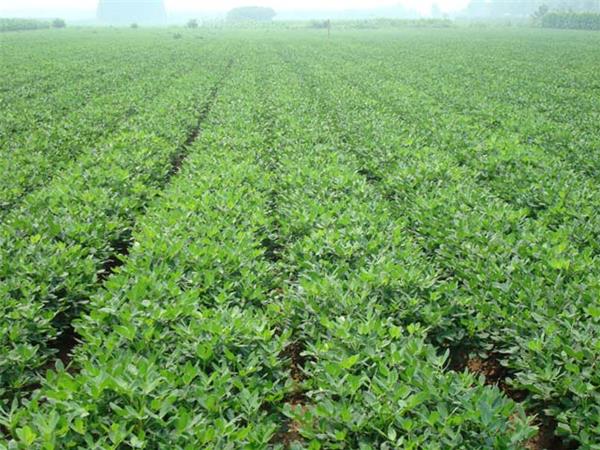
Measures for a Full Stand of Strong Peanut Seedlings
1. Seed selection. Select two-seeded and three-seeded pods and sun the seeds in the shell for 2-3 days. After shelling, carry out seed selection by hand, removing small seeds, moldy seeds, broken seeds, pest-damaged and diseased seeds, and shriveled seeds, and select large, smooth, and plump seeds for seed.
2. Land selection and land preparation. Peanuts are best grown in rotation, and should be planted in light-textured soil, with fields that are somewhat sandy and have relatively deep soil layers being best. The soil should be deeply plowed, with heavy application of base fertilizer, so that soil and fertilizer are mixed and blended, keeping the plow layer loose and the nutrients complete. The land is required to be dry and the soil fine, with no obvious clods or hidden lumps.
3. Sowing at the right time. Sowing is most suitable when the soil temperature at 5 cm depth is stably above 15°C for 3 days. Soil moisture should be appropriate, and sowing should be done at the right time by taking advantage of soil moisture, ensuring water absorption and seedling emergence after sowing.
4. Intertillage and soil loosening. After peanut seedlings emerge, carry out intertillage and soil loosening in time to eliminate weeds, break up surface crusting, enhance soil aeration, raise soil temperature, and promote root development, creating conditions for rapid and healthy peanut growth.
Measures for Many and Uniform Peanut Flowers
The peanut flowering period lasts as long as 60-90 days or more, and the pod-setting rate of middle and early flowers is the highest, while late flowers mostly have difficulty forming pods. Therefore, in cultivation, measures should be taken in all aspects to promote middle and early flowers, reduce late flowers, and make the flowering period appropriately concentrated, so as to achieve "many and uniform flowers."
1. Apply good seedling-strengthening fertilizer. Strong seedlings help early differentiation of flower buds and promote branching. If nitrogen fertilizer was not used as base fertilizer or seed fertilizer, topdressing should be applied early after peanut seedlings emerge. According to data, 10 days after peanut emergence, 7.5 kg of ammonium sulfate should be applied per mu as topdressing.
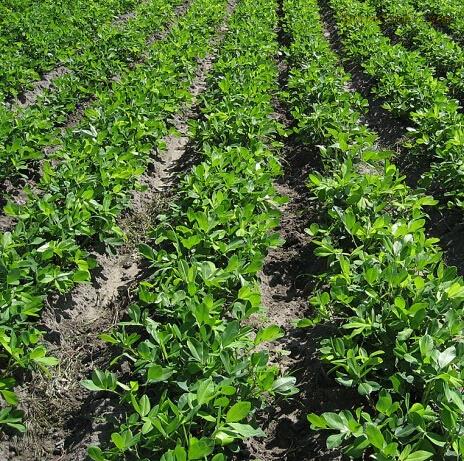
2. Apply phosphorus, potassium, and calcium fertilizer at the flowering stage. At the full flowering stage of peanuts and when the pegs enter the soil, evenly apply 10-15 kg of superphosphate, 4-5 kg of potassium chloride, and 20 kg of gypsum per mu between the rows, then loosen the soil and bury the fertilizer. Also spray the leaves once with a 0.3% concentration aqueous solution of potassium dihydrogen phosphate.
3. Spray growth regulators. For peanuts with moderate or better growth, spraying 500×10--6 daminozide solution or 0.3%-0.5% concentration chlormequat solution at the full flowering stage has a significant yield-increasing effect.
Measures for many pods, plump pods, high yield, and no premature aging in peanuts:
1. Yield; 2. Peanut pod-setting stage (when the peanut vines are about 30 cm), during this period applying Liu Zhaobao formula medicine mainly affects peanut stems and leaves; applying Liu Zhaobao formula medicine at the peanut flowering stage mainly serves to make peanuts flower more and set more pods, improve the control of excessive growth in fields where peanuts grow too vigorously, promote the transfer of nutrients from stems and leaves to the roots, and make pods large and plump; 3. Peanut pod-filling stage (when 50% of pods are filled, 15-20 days before harvest), applying Liu Zhaobao formula medicine mainly prevents and controls leaf spot disease, protects stems and leaves, keeps peanuts from premature aging, and allows harvest with green stalks. It increases the plumpness of peanuts and raises peanut yield.
4. With three applications of Liu Zhaobao formula medicine throughout the entire peanut cycle, it is hard not to have a high yield. Those interested can search online for Liu Zhaobao formula medicine.