What are the benefits and effects of rosemary?
Rosemary leaves have a tea-like aroma, a pungent and slightly bitter
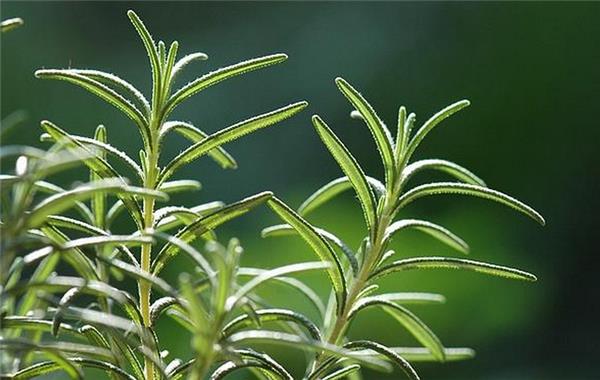
I. The Benefits and Effects of Rosemary
1. The flowers and seeds of rosemary can relieve headaches, help with sleep, and prevent hair loss, while also having certain antibacterial and antiviral effects; adding a few leaves during cooking can remove fishy odors; the fresh herb can be used for tea, bathing, and refreshing the body by removing sweat; after distillation, the fresh flowers can produce aromatic oil. The world's first perfume, Hungary Water, was made from rosemary extract.
2. It relieves gastric bloating, enhances memory, refreshes the mind, reduces headache symptoms, and improves the appearance of hair loss (not suitable for pregnant women to drink). Rosemary tea has a fragrance that can make the mind clear, can enhance brain function, can improve headaches, and boosts memory. Students who need to memorize a great deal may want to drink more rosemary tea. In addition, it is also very effective for colds, abdominal bloating, obesity, and more.
3. It improves impairments in speech, vision, and hearing, enhances concentration, treats rheumatic pain, strengthens liver function, lowers blood sugar, helps with the treatment of arteriosclerosis, and helps paralyzed limbs regain vitality.
4. It has a strong astringent effect, conditions oily and unclean skin, promotes blood circulation, and stimulates hair regrowth.
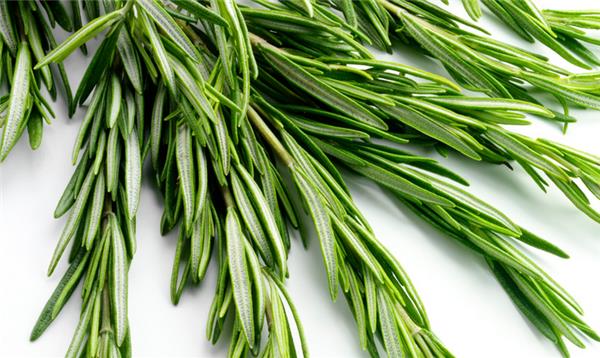
II. Growing Rosemary
Plant Management
It is an evergreen perennial subshrub. If the plant is not pruned, it can reach a height of 150 cm, with a spread of 60-80 cm. The leaves are narrow and long like pine needles, with recurved edges, grayish-green and leathery, and become needle-like after drying. The flower colors include blue, pink, and white. There are many varieties of rosemary, broadly divided into upright types and prostrate types. Commercial cultivation is mostly based on upright types, because they require less space to grow and are also more convenient to harvest.
Planting and Cultivation
Propagating Rosemary from Seed
When rosemary is propagated from seed, germination is slow and the germination rate is poor. According to literature records, if the germination temperature is between 20°C and 24°C, the germination rate is below 30%, and the germination time is as long as 3-4 weeks. However, if it is first germinated at 20°C to 24°C for 1 week and then treated at 4.4°C (40°F) for 4 weeks, the germination rate can be increased to 70%.
Rosemary Cuttings
Therefore, unless new varieties are introduced from abroad, propagation by cuttings is a fast and reliable method. After being placed in a shady place for about one month, they can be transplanted. For prostrate types, a lying branch can be scored first where it touches the soil and then shallowly buried. After about one month, it can be cut away from the mother plant, and it becomes another rosemary plant, but the procedure is rather troublesome.
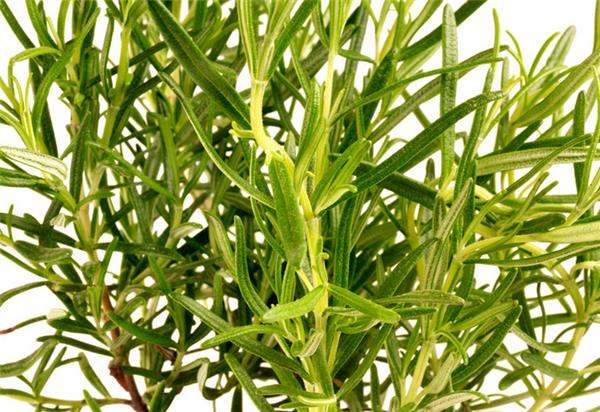
III. Culinary Uses of Rosemary
In Western cuisine, rosemary and thyme are both spices that are frequently used, especially in dishes such as steak and potatoes as well as baked goods. It has a particularly fresh, sweet aroma and flavor with a piney scent. The fragrance is rich, and the sweetness carries a bitter note.
Rosemary powder is usually added in small amounts after a dish has been cooked to enhance flavor, mainly used for lamb, seafood, chicken, and duck. When roasting food or curing meat, adding some will make the roasted meat especially fragrant; when making salad dressing, adding a little can also make an herbed salad oil dressing; when cooking dishes, dried rosemary powder is often used (if the dish needs to be heated for a long time, you can use dried rosemary with a relatively rich aroma); after soaking dried rosemary in grape vinegar, it can be used as a dip for baguettes or garlic bread.
Rosemary leaves carry a tea-like fragrance, with a pungent and slightly bitter taste. A small amount of dried leaves or fresh leaves is used as a food seasoning, especially for lamb, duck, chicken, sausage, seafood, stuffing, stews, soups, potatoes, tomatoes, radishes, other vegetables, and beverages. Because the flavor is very strong, remove it before eating.

The above is the rosemary growing technique brought to you. Rosemary has the powerful effect of enhancing memory, which is a favorite point for many exam candidates, but we also need to note that it is also a Chinese herbal medicine. All medicine has some toxicity, so do not overuse it and end up with poisoning, as that would not be good.