Mulberries are rich in nutritional value - is eating them regularly good for your health?
What nutritional value do mulberries have? Summer is here, and mulberries have appeared in abundance at the markets, very popular with everyone. Mulberries can improve blood supply to the skin (including the scalp), nourish the skin, make the skin fair and tender, and darken the hair, and they can also delay aging. So do you know what nutritional value mulberries have? Let's take a look below:
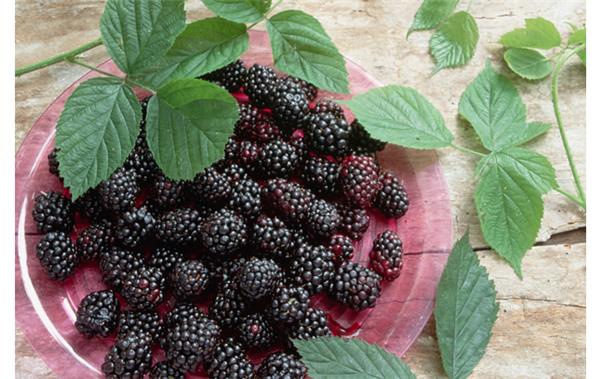
Nutritional value of mulberries
Nutritional composition per 100 grams of mulberries (purple, red): energy 48 kcal, protein 1.6 g, fat 0.4 g, carbohydrates 12.9 g, dietary fiber 3.3 g, vitamin A 3 mcg, carotene 20 mcg, riboflavin 0.05 mg, vitamin E 12.78 mg, calcium 30 mg, phosphorus 33 mg, potassium 32 mg, sodium 1.9 mg, iron 0.3 mg, zinc 0.25 mg, selenium 6.5 mcg, copper 0.06 mg, manganese 0.29 mg. 1. The fatty acids in mulberries break down fat, lower blood lipids and prevent vascular hardening; 2. Mulberries contain a hair-darkening substance that can make hair black and glossy; 3. Mulberries improve blood supply to the skin (including the scalp), nourish the skin, make the skin fair and tender and darken the hair, and can delay aging; 4. Mulberries boost immune function and can help prevent and fight cancer; 5. Mulberries mainly enter the liver and kidney meridians, and are good at nourishing yin and blood and promoting fluid production to moisten dryness, making them suitable for deficiencies of liver and kidney yin and blood, wasting and thirsting due to fluid depletion, and intestinal dryness; 6. Regularly eating mulberries can improve eyesight and relieve symptoms of eye fatigue and dryness. Generally, most people can eat them. 1. They are especially suitable for people with deficiencies of liver and kidney yin and blood, young people with premature white hair, and those who are weak after illness, frail, or have habitual constipation; 2. People who are frail with loose stools should not eat them, and children should not eat large amounts.
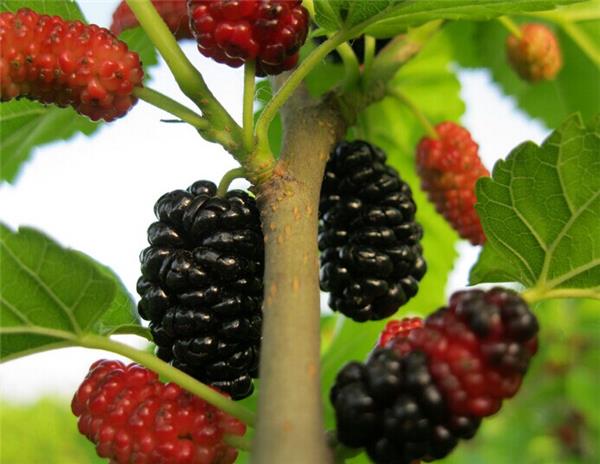
Effects of mulberries
(1) Preventing vascular hardening Mulberries contain fatty acids, mainly composed of linoleic acid, stearic acid and oleic acid, which break down fat, lower blood lipids and prevent vascular hardening.
(2) Strengthening the spleen and stomach, aiding digestion Mulberries contain nutrients such as tannic acid, fatty acids and malic acid, which can help digest fat, protein and starch, so they have the effect of strengthening the spleen and stomach and aiding digestion, and can be used to treat diarrhea caused by indigestion.
(3) Supplementing nutrition Mulberries contain large amounts of water, carbohydrates, multiple vitamins, carotene and essential trace elements for the human body, and can effectively expand the body's blood volume. They are nourishing without being cloying, making them suitable as a dietary therapy for high blood pressure and gynecological conditions.
(4) Darkening hair and beautifying Mulberries not only contain large amounts of nutrients needed by the human body, but also contain a hair-darkening substance that can make hair black and glossy, so they can be used for beauty purposes.
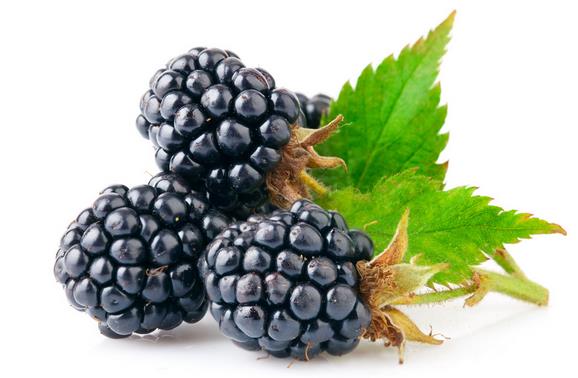
(5) Preventing and fighting cancer The rutin, anthocyanidins, glucose, fructose, malic acid, calcium, inorganic salts, carotene, multiple vitamins and niacin contained in mulberries all have the effect of preventing the spread of tumor cells and avoiding the occurrence of cancer.
Therapeutic effect: Mulberries are cold in nature and promote fluid production, while rock sugar is neutral in nature and nourishes fluids, treating dry stools caused by insufficient fluids in the intestinal tract.
What mulberries should not be eaten with
Duck eggs and mulberries are incompatible
Mulberries have the effects of nourishing yin and replenishing blood, and promoting fluid production to moisten dryness. They can be used for insufficient liver and kidney function, depletion of essence and blood, dizziness and blurred vision, tinnitus and insomnia, premature white hair and beard, internal heat and wasting-thirst, dry cough due to yin deficiency and lung dryness, and constipation due to fluid damage and intestinal dryness. When taking mulberries, one should not eat duck eggs; eating them together can cause stomach cancer.
Mulberries come in black and white varieties, and for fresh eating the purple-black ones are the superior tonic. Unripe ones must not be eaten!
Avoid eating too many mulberries
Mulberries taste sour and sweet, with a fresh, delicate fragrance, but eating too many is bad for health. This is because mulberries contain a trypsin inhibitor, which weakens the activity of various digestive enzymes in the intestinal tract, especially trypsin, thereby destroying the ability to release enzyme toxins, causing hemorrhagic enteritis and, in severe cases, danger to life. Other symptoms include headache, nosebleeds and coma.
Do not use iron utensils when cooking mulberries
Mulberries break down acidic substances, which can react chemically with iron and cause poisoning.
Children and adolescents should not eat too many mulberries
This is because mulberries contain relatively large amounts of a trypsin (a type of protease) inhibitor - tannic acid, which affects the body's absorption of substances such as iron, calcium and zinc.
Diabetics should avoid eating mulberries
Mulberries contain a lot of starch, that is, a high sugar content. Diabetics should not eat foods containing sugar, so they should avoid eating mulberries.