How to Grow a Jade Plant? Detailed Guide to Growing Methods
The jade plant (Crassula ovata) looks very similar to the jade tree (Crassula arborescens) but is not the same plant. Its branches and leaves are thick and fleshy, green all year round, with unusual leaf shapes and a stately form. It is ideal for pot cultivation, and can be placed on a balcony or as an accent on an indoor table, looking very delicate and elegant. Its crown is tall and graceful, its stems and leaves are emerald green, and its white flowers borne at the tips are especially refined and distinctive. So how do you grow a jade plant?
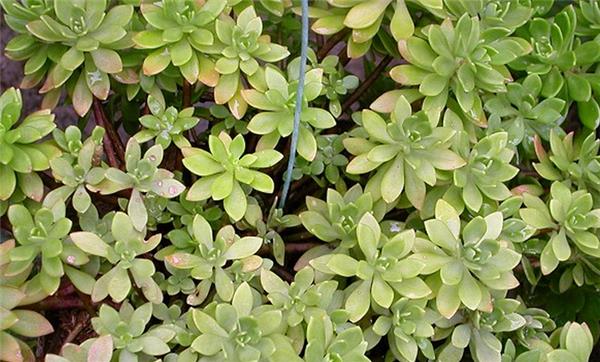
I. How to Grow a Jade Plant
1. Sunlight: The jade plant likes sun. Insufficient light easily leads to damp heat, root rot and leaf drop, but the intense heat of summer and strong direct sunlight are bad for the plant's growth. In winter, move the pot to a sunny spot inside a shed or shelter so the leaves stay fresh and green.
2. Watering: From spring to autumn, the jade plant can be watered once every 1-2 days; avoid water accumulating in the pot. In the high heat of summer, when the temperature reaches above 30°C, the plant enters a dormant or semi-dormant state, so watering must be controlled. At the same time, shade and cooling measures should be taken: spray water on the ground around the pot 2-3 times a day, and make sure there is ventilation. When winter arrives, reduce the frequency of watering appropriately and keep the potting soil slightly dry.
3. Fertilizing: The jade plant has low requirements for fertilizer and water, and may even need restricted fertilizer and water. Generally no fertilizer is applied. If growth is too weak, add some potassium-containing liquid fertilizer, or during the growing season apply a diluted, fully decomposed cake fertilizer solution once a month.
4. Pruning: During the growing period, moderately prune overly long and overly dense branches of the jade plant to keep the plant's shape well balanced and its vigor strong.
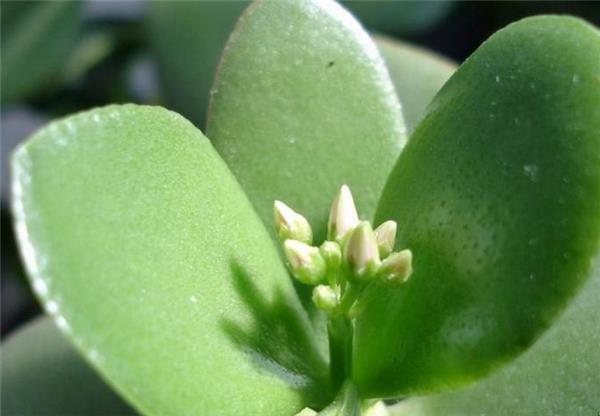
II. Pest and Disease Control for the Jade Plant:
The main diseases are anthracnose and leaf spot, which can be controlled by spraying a 1000-fold solution of 70% thiophanate-methyl wettable powder. In poorly ventilated indoor conditions, the stems and leaves are prone to scale insect damage; spray a 1000-fold solution of 40% omethoate emulsifiable concentrate to kill them.
1. Carry out soil improvement: for heavy clay soil, apply additional fully decomposed farmyard manure to improve soil structure and enhance permeability. For acidic soil, spread lime powder during land preparation to adjust the pH to slightly alkaline. Depending on the soil acidity, 500-1000 kg can be spread per mu;
2. Apply medicine at the right time to control disease: in the early stages of disease, choose a 4000-fold solution of 72% agricultural streptomycin sulfate soluble powder, a 400-500 fold solution of 77% Kocide wettable microgranule powder, a 400-fold solution of 50% DT wettable powder, or a 500-fold solution of 25% copper-ammonia complex aqueous solution, and drench the roots, using 0.3-0.5 L of solution per plant, once every 8-10 days, for two or three consecutive treatments.
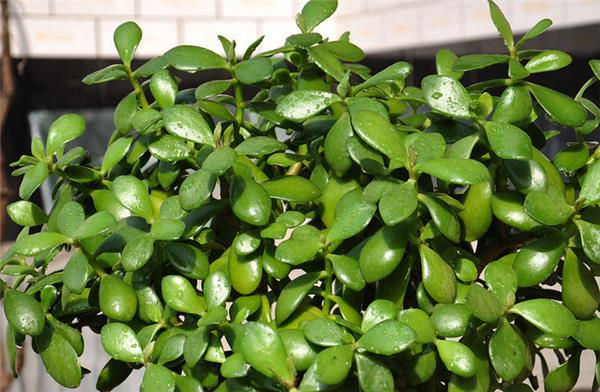
III. The Benefits of the Jade Plant
In contemporary society, more and more people pursue beauty in their home environment and choose to buy plants to decorate their beautiful homes. The jade plant is a good choice: its branches and leaves are thick and fleshy, green all year round, with unusual leaf shapes and a stately form; it is easy to cultivate and simple to manage. It is suitable for pot cultivation and for accenting indoor spaces, delicate and elegant. Its stems and leaves are emerald green, and its white flowers borne at the tips are very beautiful; paired with a pot stand and gravel and crafted into a small bonsai, or trained into the look of an old tree stump, it is even more appealing. The jade plant is a perennial evergreen succulent, known as the fleshy evergreen; gazing often at green plants effectively relieves mood and also effectively relieves the eye fatigue of office workers.
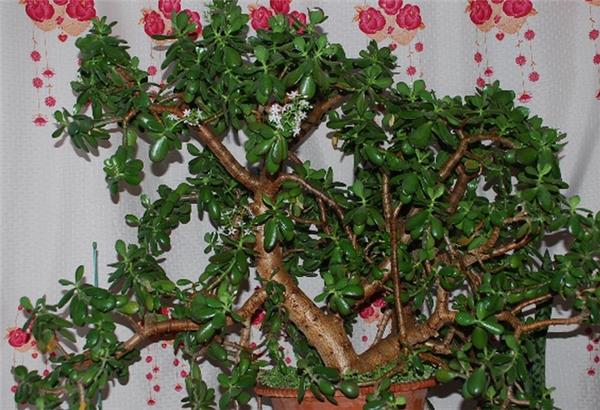
Can the jade plant purify the air? The jade plant is a very good landscaping plant and has a certain air-purifying effect. It is non-toxic and can be placed indoors, and it also has a certain anti-radiation effect, so it can be grown indoors with peace of mind. It absorbs harmful gases, reduces noise, kills bacteria, creates a comfortable living environment, and can also cultivate character, improve health and raise cultural and artistic accomplishment. Extracts of the jade plant used in medicine can effectively treat diabetes.