Ebony Bonsai: Cultivation Methods and Price Explained
Using ebony as the material for making bonsai is relatively common in the Lingnan school of bonsai art. Its leaves are very small, its branches and trunk are entirely black, and it even gives off a fragrance. On one hand it beautifies the home, and at the same time it also purifies the air and improves the quality of life. Today let's take a look at how ebony bonsai is made and how it is cared for.
I. The Growth Habits of Ebony
Ebony, native to tropical rainforest regions, grows very slowly, and its wood is also very precious, with a very fine texture and high density; its pores are small and sparse, and its hardness is among the greatest. It is distributed across the world's tropical regions. This species is often imported from Tanzania and Mozambique in Africa.
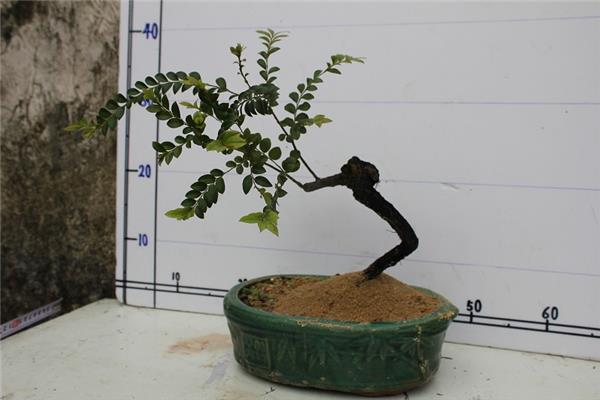
II. Cultivation Notes Before Ebony Bonsai Takes Shape
1. Selecting and Growing the Stump: Ebony bonsai grows slowly; among Lingnan bonsai it is the slowest-growing tree species, growing even more slowly than boxwood. Therefore, when selecting a stump, pay special attention to choosing one with companion graft supports, preferably a stump with young branches. If the cut is more than 3 cm, it will be very difficult to cultivate a matching branch support. The best time to collect ebony is after the Spring Equinox and before Grain in Ear. Ebony has strong sprouting ability and roots quickly, so the trunk, supports and roots can basically be cut to position in one go. After the stump is cut, soak it in clean water for 24 hours, then plant it in river sand, place it in semi-shade, and keep the trunk moist. After 20 days a black liquid can be seen secreting from the cut, and after a few days buds sprout; after 60 days new roots can be seen, and the survival rate is extremely high.
2. Building Branches: Once ebony has survived, it can be moved to a sunny, well-ventilated place, and it can be given light fertilizer water, which promotes strong roots and vigorous branches. After the Autumn Equinox, you can set the supports according to its styling, cutting away all unneeded branches so that its nutrients can be concentrated on the styled branches. Once ebony's root system has grown, it very much likes fertilizer, so we can appropriately increase the fertilizer for it. On the pot surface we need to apply rotted farmyard manure over the long term, so that each time it is watered the nutrients are slowly dissolved, which is even more beneficial for the stump's absorption.
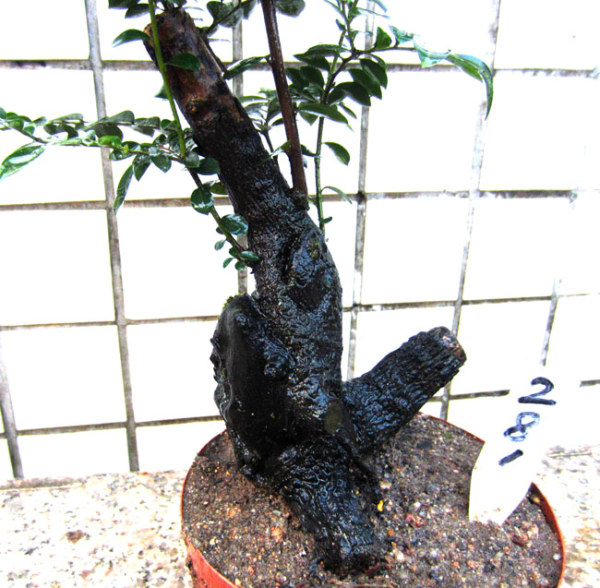
3. Pruning: Ebony is an evergreen type of potted bonsai, and it can sprout a new shoot once every season. So it can be pruned in all four seasons, but each pruning must be carried out after the new shoots have matured; even so, spring and autumn are still the best. Ebony bonsai does not easily lose branches, so it can be pruned branch by branch, and after budding you should select and keep strong buds. If the new buds are allowed to grow freely, it is very difficult to achieve the requirement of horizontally spreading branches, and this is something that must be noted.
4. Shaping: Ebony bonsai grows slowly, so the method of combining pruning and wiring can be used to speed up the formation of the work. Pay attention to the rhythmic changes of the branches, the interchange of stiffness and suppleness, and the alternating use of long and short spans, so that the curves of the styled branches are graceful. Remove the terminal buds at any time to encourage side buds to develop, until the tree shape is full and the work is formed.
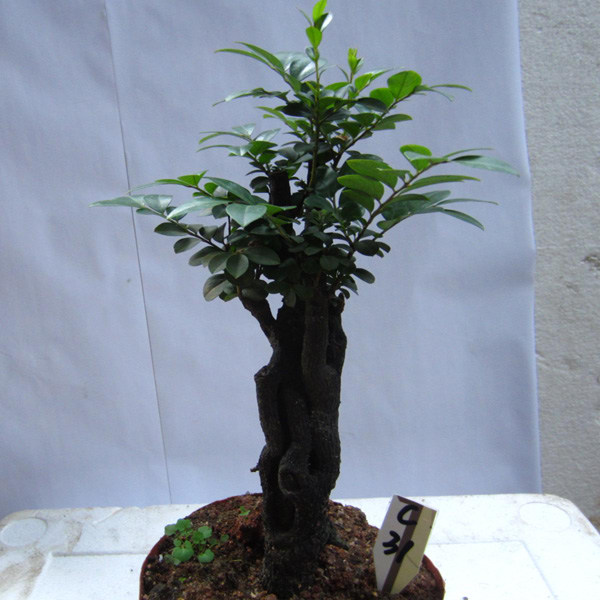
III. Daily Care During the Viewing Period of Ebony Bonsai
During the viewing period, to keep the work from losing its shape, the amount of fertilizer water applied can be reduced, just enough to maintain normal growth of the work. Remove messy buds at any time. Ebony bonsai tolerates shade; after one thorough watering, place it indoors and it will not need watering for 20 days. When the soil turns white, water it thoroughly again. It can be kept indoors for 50 days before returning to normal outdoor management. Among Lingnan bonsai it is one of the tree species that can be displayed indoors the longest.
Ebony has few diseases, with only a small amount of leaf-roller damage, which can be sprayed with 0.2 percent 80 percent dichlorvos emulsion.
IV. The Price of Ebony Bonsai
The price of ebony bonsai generally varies according to its variety; the higher-priced varieties reach 680, while ordinary varieties range from 18 to 500 yuan, and the most expensive is around 888 yuan. Friends who like them might as well go take a look at the corresponding flower and plant markets.
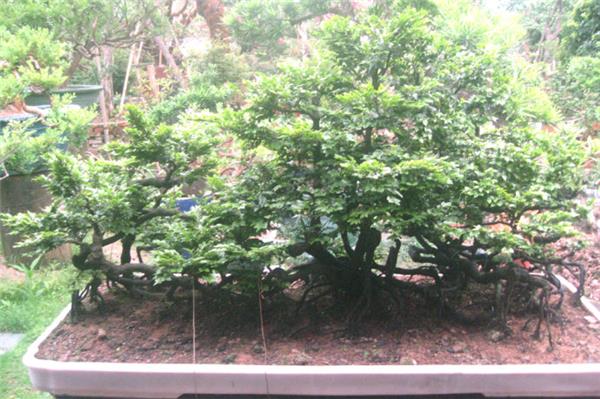
Nowadays, placing bonsai at home for cultivation is a very common thing. If after reading the above introduction you have also become interested in ebony bonsai, then go and grow one right away.