Is eating mulberries good for your health? Learn about the benefits of mulberries in one article
Mulberries are rich in nutritional value. Do you know what benefits, effects and nutritional value mulberries have? They help with constipation, anemia, and are said to make hair darker and more lustrous, among many other benefits, because they are also rich in glucose, sucrose, vitamins and the like. So people of all ages can eat them. So what are the benefits of mulberries?
Benefits of mulberries
When picking them, also pay attention: it is best not to use a bag, but to use a harder basket or something similar, so they are less likely to be crushed. Also, when placing them, they are more ventilated, which can temporarily keep them fresh and prevent them from being squashed against each other. In addition, watch out for ants, bees and similar insects on the tree. Do not let them get on your body.
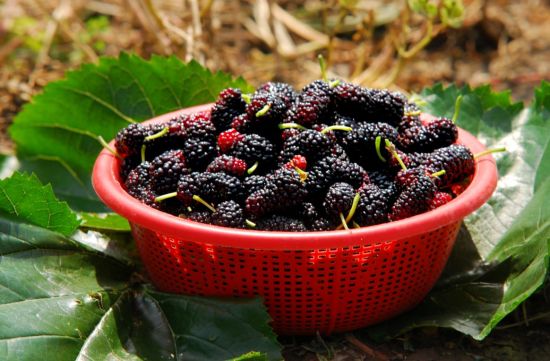
When washing them, pay attention, because after all they are picked in the open air from the tree, and birds and some other small animals may also like to eat them. To wash them clean, you can soak them in rice-washing water for 10-odd minutes, or soak them briefly in lightly salted water, then rinse and clean them, and then eat them. It is said that you can also soak them in cornstarch to disinfect them and the like.
Mulberries improve the blood supply to the skin (including the scalp), nourish the skin, make the skin fair and tender, and darken the hair, and can also delay aging. Mulberries are an excellent fruit and good medicine for middle-aged and elderly people to strengthen the body, beautify the face and resist aging. Regular consumption of mulberries can improve eyesight and relieve symptoms of eye fatigue and dryness.
Mulberries have an immune-promoting effect. Mulberries increase the weight of the spleen and enhance hemolytic reactions, can prevent arteriosclerosis and hardening of the bones and joints in the human body, and promote metabolism. They can promote the growth of red blood cells, prevent the decrease of white blood cells, and have an auxiliary effect on the treatment of diabetes, anemia, high blood pressure, high blood lipids, coronary heart disease, neurasthenia and other conditions.
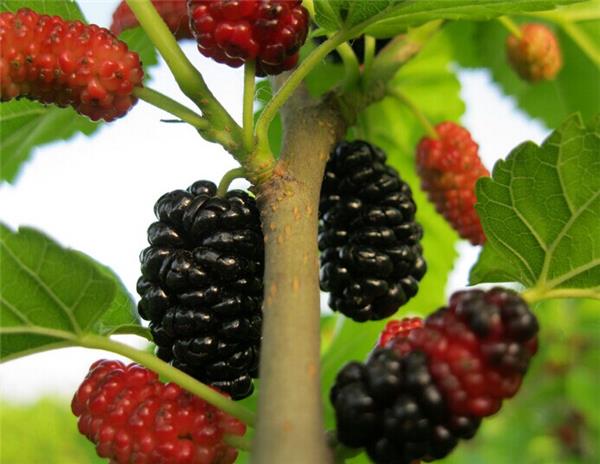
Mulberries have the effects of promoting fluid production and quenching thirst, promoting digestion, and helping with bowel movements; eaten in moderation, they can promote gastric juice secretion, stimulate intestinal peristalsis and relieve dryness and heat. Traditional Chinese medicine holds that mulberries are sweet and cold in nature and flavor, and have the effects of tonifying the liver and kidney, promoting fluid production and moistening the intestines, darkening the hair and improving eyesight.
This is mainly reflected in the following aspects:
1. They can increase the weight of immune organs.
2. They can enhance nonspecific immune function.
3. They increase humoral immunity.
4. They significantly promote T cell-mediated immune function.
5. They have a preventive effect on cell mutation.
6. They have an effect against hepatitis B virus and an effect against AIDS.
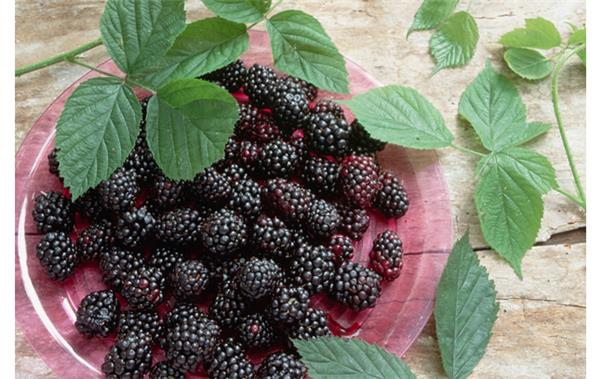
Effects and benefits of mulberries
1. The fatty acids in mulberries have the effects of breaking down fat, lowering blood lipids and preventing vascular sclerosis;
2. Mulberries contain a hair-darkening agent, which can make hair black and glossy;
3. Mulberries improve the blood supply to the skin (including the scalp), nourish the skin, make the skin fair and tender, and darken the hair, and can delay aging;
4. Mulberries have an immune-promoting effect and can prevent and fight cancer;
5. Mulberries mainly enter the liver and kidney meridians, are good at nourishing yin and blood, promoting fluid production and moistening dryness, and are suitable for conditions such as deficiency of liver and kidney yin and blood, fluid depletion and excessive thirst, and intestinal dryness;
6. Regular consumption of mulberries can improve eyesight and relieve symptoms of eye fatigue and dryness.
Suitable groups
Generally suitable for adults to eat. It is even more suitable for women, middle-aged and elderly people, and those who overuse their eyes. It is especially suitable for those with deficiency of liver and kidney yin and blood, adolescents with premature white hair, and those who are weak after illness, frail, or have habitual constipation.
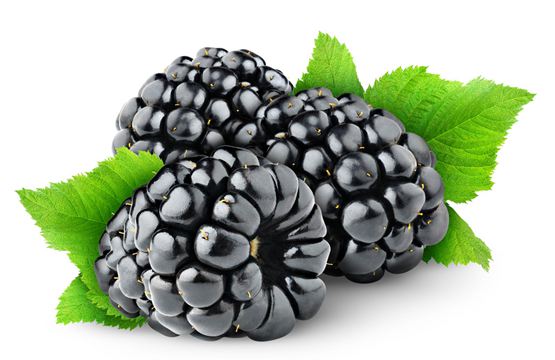
May is exactly the season when mulberries ripen and are picked. Mulberries are not only sweet and juicy, but their benefits should not be underestimated. They can strengthen the spleen and stomach, aid digestion, and moisten the intestines and relieve constipation. At the same time, mulberries increase the weight of the spleen and enhance hemolytic reactions, can prevent arteriosclerosis and hardening of the bones and joints in the human body, and promote metabolism. They can promote the growth of red blood cells, prevent the decrease of white blood cells, and have an auxiliary effect on the treatment of diabetes, anemia, high blood pressure, high blood lipids, coronary heart disease, neurasthenia and other conditions.
To maintain the taste, generally after buying mulberries and taking them home, it is best to eat them the same day, and you can also brew mulberry wine. However, everyone should note that although mulberries are rich in nutritional value, children and adolescents should not eat too many mulberries. This is because mulberries contain a relatively large amount of a trypsin inhibitor, tannic acid, which affects the human body's absorption of substances such as iron, calcium and zinc. At the same time, because they contain hemolytic allergens and hyaluronic acid, excessive consumption can easily cause hemolytic enteritis, and people with poor digestion should not eat too many either.