How Is Mulberry Best Eaten? A Detailed Guide to the Correct Way to Eat It
When is the best time to eat mulberry? How do you eat mulberry? The benefits and effects of mulberry. Mulberry, also called mulberry fruit or mulberry jujube, is a ripe fresh fruit that is sweet and juicy, and is one of the fruits people commonly eat. Mulberry is quite good in both nutrition and benefits, so when is the best time to eat mulberry?
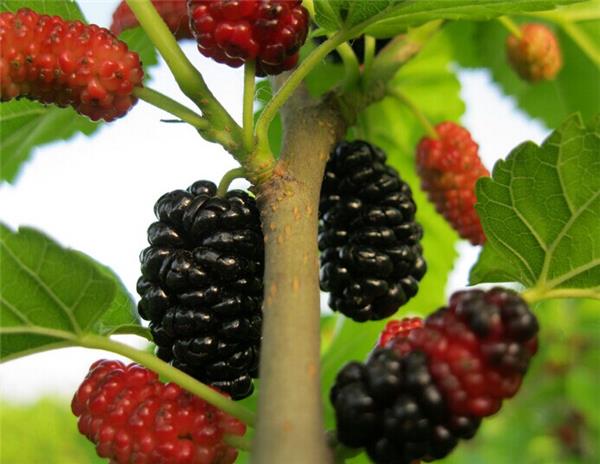
How is mulberry best eaten?
1. Mulberry Porridge
30 g of mulberry (double the amount if fresh), 100 g of rice, and an appropriate amount of white sugar. Clean the mulberries, soak them in clean water for a moment, then put them into a pot together with the rice, add an appropriate amount of clean water, and cook into a thin porridge. When nearly done, stir in the white sugar and bring to one or two more boils, and it is ready. Take 1 to 2 doses daily. It can tonify the liver and kidneys and nourish the blood to brighten the eyes. It is suitable for dizziness, blurred vision, poor memory, tinnitus, soreness and weakness of the waist and knees, premature graying of the hair and beard, and dry constipation of the intestines caused by deficiency of the liver and kidneys.
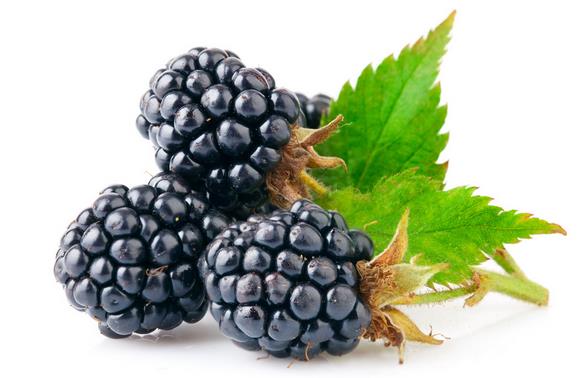
2. Mulberry Paste
Appropriate amounts of mulberry and honey. Decoct the mulberry in water to obtain the juice, decocting 3 times in total, combine the 3 liquids, simmer over a slow fire into a paste, add an equal amount of honey, mix well, and take orally 10 to 15 g each time, 2 to 3 times daily. It can nourish yin and tonify the blood, and is suitable for premature graying of the hair and beard, dizziness, irregular menstruation in women, amenorrhea and the like caused by deficiency of yin and blood.
3. Mulberry Wine
100 g of mulberry and 500 g of yellow wine. Put the mulberry into the yellow wine, seal and soak for 1 week, and it is ready. Take 30 ml each time, 3 times daily. It can nourish yin and promote diuresis, and is suitable for edema due to yin deficiency, difficult urination, joint pain, thirst, premature graying of hair and the like.
4. Mulberry and Black Sesame Paste
60 g each of mulberry and black sesame, 30 g of rice, and an appropriate amount of white sugar. Wash the sesame, mulberry and rice separately, put them together into a jar, and mash them thoroughly for later use. Put 3 bowls of clean water into a wok and bring to a boil, then add the white sugar. After the sugar dissolves and the water boils again, slowly add the mashed 3 ingredients, cook into a paste, and eat. Take 1 dose daily. It can nourish yin and clear heat, and lower blood lipids, and is suitable for high blood pressure, hyperlipidemia, constipation and the like.
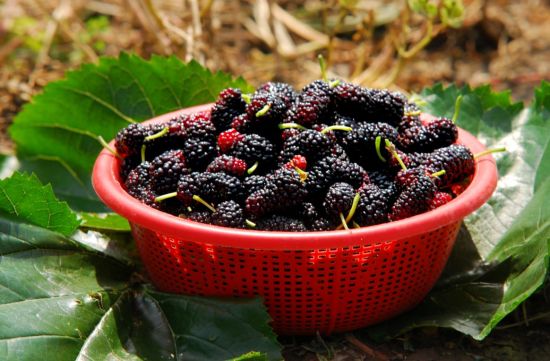
5. Mulberry and Fleeceflower Root with Pork Liver
10 g each of mulberry and fleeceflower root (Polygonum multiflorum), 250 g of pork liver, and an appropriate amount of seasonings. Decoct the mulberry and fleeceflower root in water to obtain the juice for later use. First wash the pork liver and thicken it with starch. Heat vegetable oil in a wok, saute the scallion and ginger until fragrant, add the pork liver slices, and after stir-frying until the color changes, add the medicinal juice along with a little soy sauce and cooking wine. After stir-frying until the pork liver is cooked, season with salt, monosodium glutamate and the like and serve. Take 1 dose daily. It can nourish the liver and benefit the kidneys, and is suitable for various types of anemia, irregular menstruation, unstable mood, irritability, limb tremors, insomnia, frequent dreaming and the like.
The Benefits and Effects of Mulberry
Mulberry improves the blood supply to the skin (including the scalp), nourishes the skin, and has effects such as making the skin fair and tender and the hair black, and it can also delay aging. Mulberry is an excellent fruit and good medicine for middle-aged and elderly people to strengthen the body, beautify the face and resist aging. Regular consumption of mulberry can brighten the eyes and relieve symptoms of eye fatigue and dryness. Mulberry has an immune-promoting effect. Mulberry has a weight-increasing effect on the spleen and an enhancing effect on hemolytic reactions, can prevent human arteriosclerosis and hardening of the bones and joints, and promotes metabolism. It can promote the growth of red blood cells, prevent the decrease of white blood cells, and has auxiliary effects in the treatment of diabetes, anemia, high blood pressure, high blood lipids, coronary heart disease, neurasthenia and other conditions. Mulberry has effects such as promoting fluid production and quenching thirst, promoting digestion, and helping bowel movements; consumed in moderation, it can promote the secretion of gastric juice, stimulate intestinal peristalsis and relieve dryness-heat. Traditional Chinese medicine holds that mulberry is sweet and cold in nature and flavor, and has effects such as tonifying the liver and benefiting the kidneys, promoting fluid production and moistening the intestines, and blackening the hair and brightening the eyes.
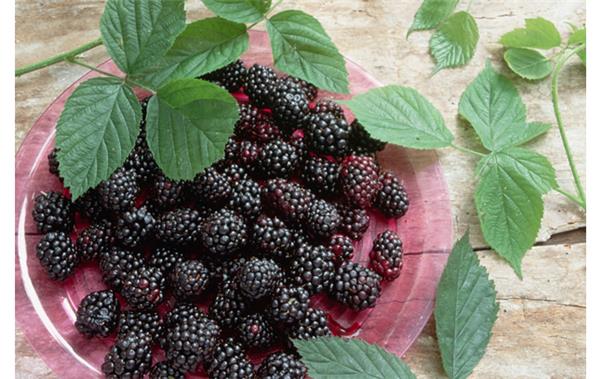
Traditional Chinese medicine holds that mulberry is sweet and sour in taste and slightly cold in nature, enters the heart, liver and kidney meridians, and has effects such as tonifying the liver and benefiting the kidneys, promoting fluid production and moistening the intestines, and blackening the hair and brightening the eyes. It mainly treats dizziness and blurred vision, tinnitus and palpitations, irritability and insomnia, soreness and weakness of the waist and knees, premature graying of the hair and beard, thirst and dry mouth, and dry and hard stools caused by insufficient yin and blood. When mulberry enters the stomach, it can supplement the deficiency of gastric juice and promote the digestion of gastric juice; when it enters the intestines, it can promote the secretion of intestinal juice and enhance gastrointestinal peristalsis, and therefore has the effect of tonifying and strengthening the body.
Modern medicine holds that the mulberry fruit is rich in nutrients such as glucose, sucrose, fructose, carotene, vitamins (A, B1, B2, C), malic acid, succinic acid, tartaric acid, and the minerals calcium, phosphorus, iron, copper and zinc. The special growing environment of the mulberry tree determines that the mulberry has the characteristics of natural growth and no pollution whatsoever, and it has been praised by the medical community as "the best health-care fruit of the 21st century."