Detailed Guide to Osmanthus Planting Methods and Precautions
Osmanthus stays evergreen through all four seasons, fills the air with fragrance in August, has a graceful tree form, and also helps purify the air, making it deeply loved by everyone. In recent years, more and more people have been planting it in their courtyards, so how do you grow osmanthus, and what are the cultivation methods and precautions for osmanthus? Let's take a look together below.
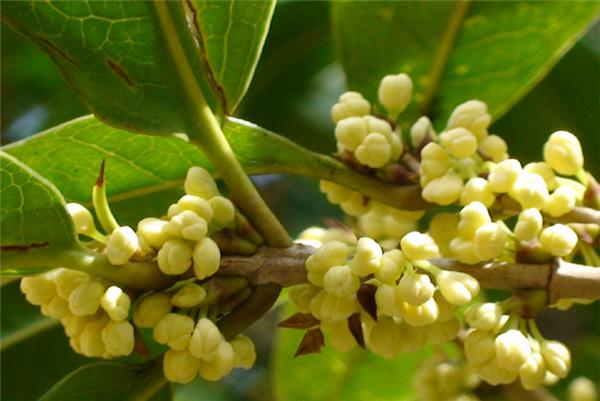
I. Osmanthus Planting Methods
Watering: Osmanthus likes moisture. During the young stage and when mature trees are blooming, take care to water frequently to keep the soil moist but not waterlogged. If it is too dry, flowering will be affected. Especially in summer, be sure to provide sufficient water, watering in the morning and evening as conditions require.
Osmanthus tree image
Fertilizing: Mainly use organic fertilizer. When osmanthus sprouts in spring, apply a diluted, fully decomposed cake fertilizer solution or pig manure liquid about every 10 days. After July, a compound organic fertilizer is best. In early September, apply the last liquid fertilizer, mainly phosphorus fertilizer, which can promote osmanthus growth and benefit flowering.
Pruning: When osmanthus sprouts in spring, cut off dead branches, weak branches, and diseased branches. After flowering in autumn, cut off overly dense branches to strengthen the tree's vigor.
Pest and disease control: For insect pests, you can directly spray a diluted insecticide solution for control. For diseases, simply cut off the diseased leaves and branches.
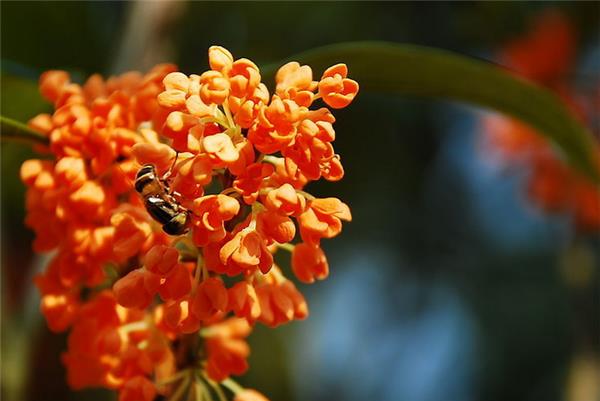
II. Osmanthus Planting Precautions
Changing soil and repotting, also called repotting or changing pots, means taking the potted osmanthus seedling out of the pot (tipping it out), then replacing it with new culture soil, and moving it into a slightly larger pot for planting. This is because the nutrients in the original potting soil are limited and have already been absorbed and used up by the tree roots, and the soil quality has deteriorated accordingly. At the same time, the pot is densely packed with old roots (which gradually age), which also affects the sprouting and growth of new roots. Moreover, after several years of pot cultivation, the osmanthus plant grows larger year by year, and the size ratio between pot and tree becomes unbalanced. Therefore, it is necessary to repot once every 2 to 3 years, replacing with fresh soil and a new pot, and cutting off old roots. This is extremely beneficial for stimulating new roots, enhancing the water- and fertilizer-absorbing capacity of potted osmanthus, and improving its ability to resist disease and aging.
Changing soil and repotting is best done in late October or early March of the following year (each place can decide according to its local climate), when the growth of potted osmanthus is still in a slow phase. If special circumstances require changing soil and repotting (that is, in winter it can be done in a greenhouse, and in summer repotting should be done in a shaded place), as long as careful care and management are provided, it can also survive well.
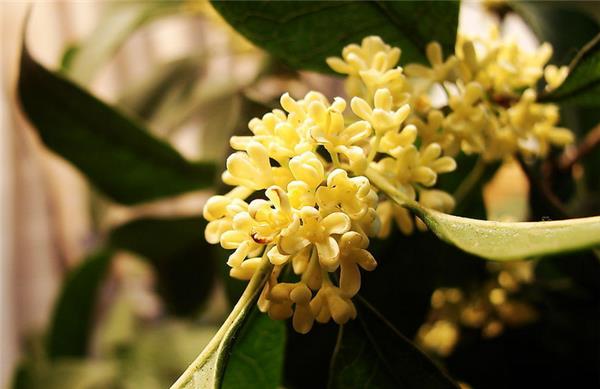
III. Osmanthus Edible Methods
There are many ways to eat osmanthus. For example, you can make various delicious dishes such as glutinous rice osmanthus lotus root, osmanthus huanglin pastry, osmanthus cake, goji berry osmanthus tea, osmanthus purple sweet potato glutinous rice, osmanthus milk tofu, osmanthus fermented rice wine small round dumplings, braised osmanthus sausage, osmanthus almond tofu, osmanthus red bean porridge, and more. They are delicious and tasty, with a rich yet gentle aroma, and they also have different health-preserving benefits.
Osmanthus is an excellent flower that combines ornamental value and practicality. Its pure fragrance can banish dust, and its strong scent can carry far, making it truly unique. Osmanthus has a very rich fragrance, and people use this characteristic to make various delicious dishes, or to make medicine and take it, brew tea and drink it, and so on, with excellent results. But the fragrance of osmanthus is too strong, so it must not be taken in excess, to avoid adverse reactions and thereby losing its original health benefits.
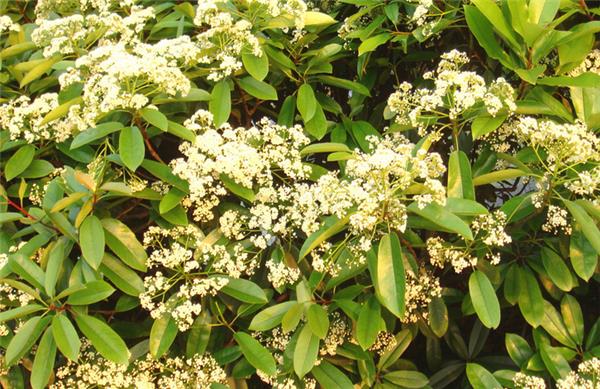
Osmanthus likes a warm, humid environment, tolerates high temperatures, is relatively cold-tolerant, and prefers deep, loose, fertile, well-drained slightly acidic sandy soil. The above are the cultivation methods and precautions for osmanthus. We hope they can be helpful to everyone.