What are the things to note when growing Hosta ventricosa?
Hosta ventricosa is a very beautiful flower with high ornamental value. It was originally wild, and now it is also often grown as a potted ornamental plant indoors.
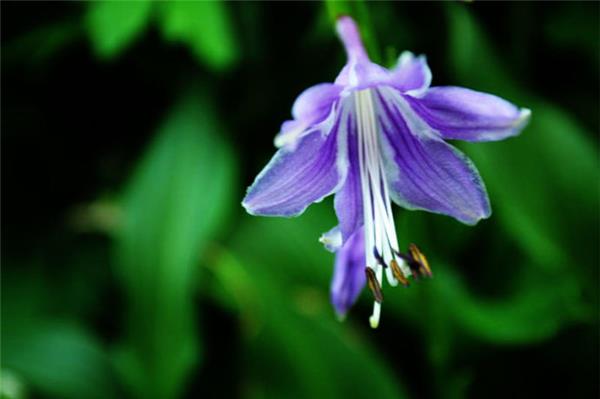
Introduction to Hosta ventricosa
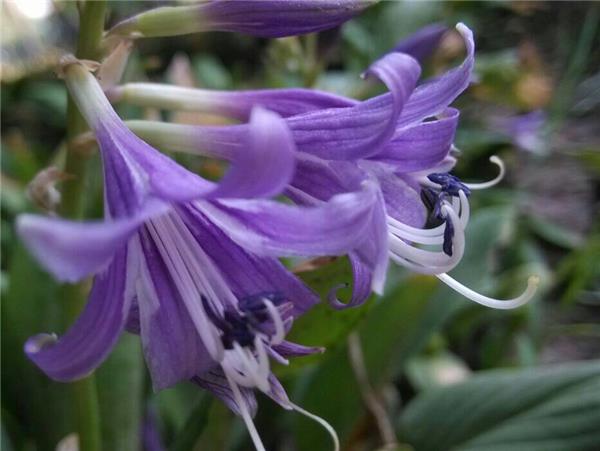
Morphological characteristics: It has a body up to 60-70 cm tall, with thick rhizomes. The leaves are ovate, with an acute apex at the front and entire or wavy margins. On both sides they extend almost to its base. The upper surface is dark green and glossy, while the lower surface is green. The veins are curved, protruding and distinct. Its seeds are black and very glossy. It grows in moist areas under forest on mountain slopes, and can be seen in such places. Its filaments are longer than its perianth, and are purplish red.
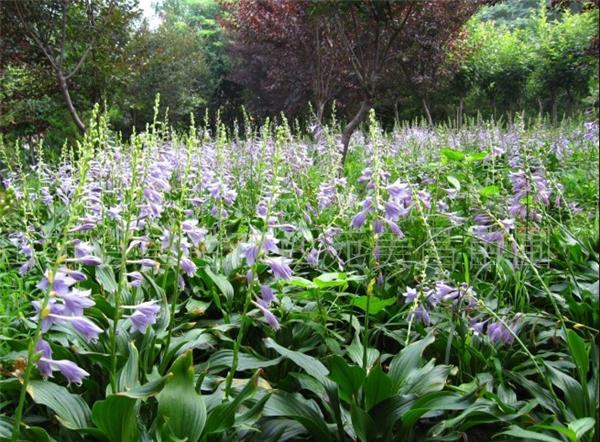
Growth habits: Hosta ventricosa prefers a warm and humid climate environment and does not like long-term direct sunlight. Its tillering ability and cold resistance are very strong. It also has no strict requirements for soil and can grow well in ordinary soil. Because it has a strong ability to adapt to the environment, we can grow it in pots and in the ground. Generally, potted plants are mainly used in homes, courtyards, or public places, while ground planting is generally used in community parks and green spaces under trees.
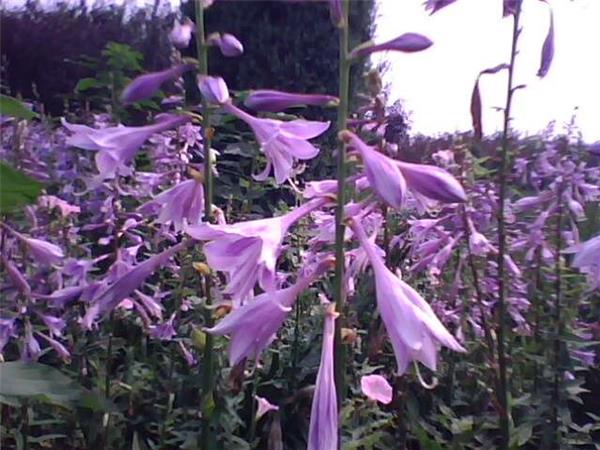
How to grow Hosta ventricosa
Potting: For old pots that are reused, they must be soaked in a 1000-fold potassium permanganate solution for more than half an hour, then rinsed with clean water and dried for later use. New pots can be used directly. Generally, smaller flower pots (7.5 cm plastic cups) are used first for planting. When planting, first place about 2 cm of substrate at the bottom of the cup, then move the screened seedlings into the cup. Small seedlings should not be planted too deep; it is best to keep them level with the base of the plant, 1-2 plants per pot. The substrate should be moderately firm and filled to 9/10 of the cup. Gently shake the pot soil.
Pot soil: The pot soil is best to use fertile, well-drained, deep sandy loam.
Temperature: It likes a warm climate, but the environment of high temperature and stuffiness in summer (above 35°C, with relative air humidity above 80%) is not good for its growth. It has very strict requirements for winter temperature. When the ambient temperature is below 10°C, growth stops, and it cannot overwinter safely when frost occurs.
Humidity: It likes a slightly humid climate environment and requires the relative air temperature of the growing environment to be 50~70%.
Light: In the hot summer, shade about 50% of the sunlight for it. In spring, autumn, and winter, since the temperature is not very high, give it direct sunlight to help it carry out photosynthesis and form flower buds, bloom, and set seed. When keeping it indoors, place it in a place with bright light as much as possible, such as a well-lit living room, bedroom, study, and similar places.
Fertilizer and water: Spring is the growing season for new leaves, so attention should be paid to the supply of water and fertilizer. Fertilizer should preferably be decomposed organic fertilizer, applied thinly and frequently. Because Hosta requires very high air humidity, its leaves and surroundings should be sprayed with water several times a day. When the temperature is higher, increase the number of times water is sprayed around it. In autumn, Hosta basically does not grow new leaves, so its fertilizer requirements are not high, and fertilization can be stopped.
Pests and diseases: Southern blight is mainly caused by plants being too densely crowded together and waterlogging lasting too long on rainy days, and it can generally be cured with medication. Anthracnose is mainly caused by excessive humidity and poor drainage, and it mainly harms leaves, petioles, and flower stalks. This can also be treated by spraying medication.
Alright, that is all for the introduction to Hosta ventricosa. Has this charming flower also won everyone's affection? If you also want to grow a pot of Hosta ventricosa, I hope the introduction above can help you.