Complete Guide to Phalaenopsis Orchid Growing Methods and Care Tips
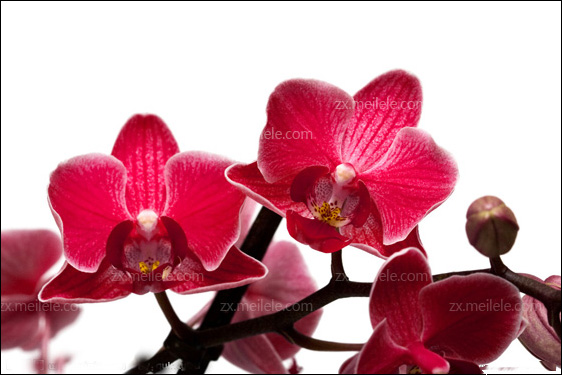
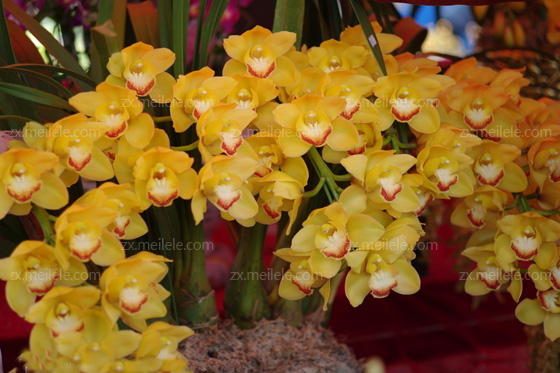
Phalaenopsis orchids come in many flower colors, including red phalaenopsis, yellow phalaenopsis, white phalaenopsis, and more. Different phalaenopsis orchids have different flower meanings: red symbolizes great fortune and eternal union. Yellow phalaenopsis represents booming business and is especially suited to businesspeople, bringing them good luck, so there is always one you will like.
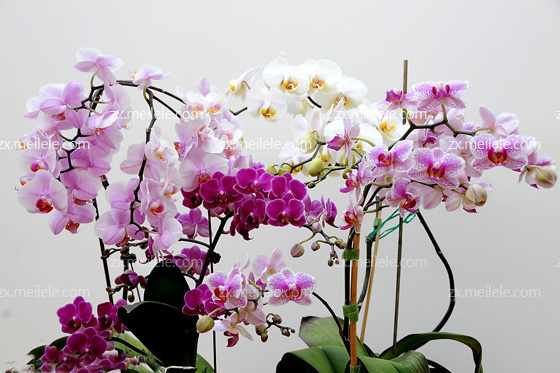
Phalaenopsis growing methods:
Soil
Phalaenopsis orchids are generally planted with moss and water grass. Slightly loose soil is the best for growing phalaenopsis. There must be sufficient moisture. Phalaenopsis leaves are not at all good at storing water, so the soil must have enough moisture to sustain them. Phalaenopsis should be watered more when new roots are growing, and watered less during the dormant period after flowering.
Water
In spring and autumn, water once every day around 5 p.m. In summer, growth is very lush, so water once at 9 a.m. and once at 5 p.m. every day. In winter, sunlight is not easy to come by and temperatures are not high, so watering about once every two weeks is enough, and it is best to finish by 10 a.m. If a cold wave arrives, do not water; wait until the cold wave has passed before watering.
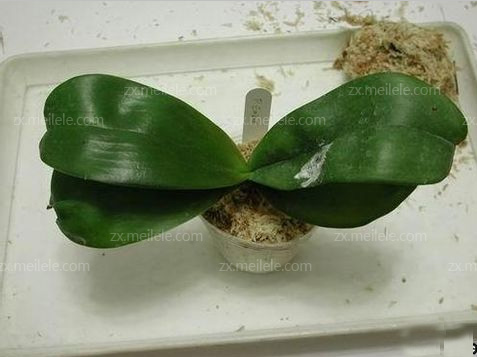
Light and temperature
An appropriate light requirement is essential. Although phalaenopsis likes shade, all green plants need sufficient light to produce the energy they need. Especially when flowering, phalaenopsis needs sufficient light, but direct sunlight must be avoided. Ventilation. Air quality is also extremely important for phalaenopsis. When growing phalaenopsis at home, generally pay attention to ventilation to prevent pests. The temperature requirements for phalaenopsis are very strict; 15-30°C is very suitable. If it stops growing or the leaves turn very yellow, then the temperature is above or below 15-30°C.
Fertilizing and pruning
Moderate fertilizing is also essential. This is most obvious in winter: if little fertilizer is applied, there will be very few flowers the following year. Spring is the growing season, so a special nutrient solution for phalaenopsis can be used. After flowering, cut off the withered flowers to reduce the consumption of nutrients by the flowers. Most importantly, those withered flowers hanging on the flower stems do not look good either.
Precautions for growing phalaenopsis:
Watering should be moderate, not too frequent; too frequent watering will soak and damage the phalaenopsis roots. Temperature must be maintained with care. Many phalaenopsis grown at home fail to grow because the temperature is not high enough. In winter, also pay attention to keeping phalaenopsis warm. Fertilize moderately. Some people think that during the growing season they should apply a lot of fertilizer, but that is a mistaken idea; generally fertilizing once every 7-10 days is enough. If you do not understand, you can ask friends around you, or the person selling fertilizer, and you can also read the instructions. The flowerpot must also be suitable; do not buy a large flowerpot to plant a small plant, as this will give the phalaenopsis a poor growing environment.
Summary: Phalaenopsis is a flower I personally like. Not only is its appearance simple and beautiful, its colors are also very nice. Planted in a small flowerpot at home, it is especially pleasing to the eye. Flower lovers who share the same hobby as I do, go ahead and grow a beautiful pot of phalaenopsis. As long as you pay attention to the above methods, you will not fail to grow good flowers.
[You may be interested in]
☑ Wall cloth ☑ Pen holder pictures ☑ Begonia semperflorens ☑ Does Sempervivum tectorum bloom ☑ How to grow Spathiphyllum
☑ Bed curtain ☑ Epipremnum aureum and Chlorophytum comosum ☑ Syringa planting ☑ The appearance of Mimosa pudica ☑ Disposable paper cup handicrafts