Can Pothos Be Grown in Water? A Detailed Guide to Hydroponic Care
Among the ways to grow pothos, hydroponic cultivation is easier to manage than soil cultivation and offers higher ornamental value. Let's take a look below.
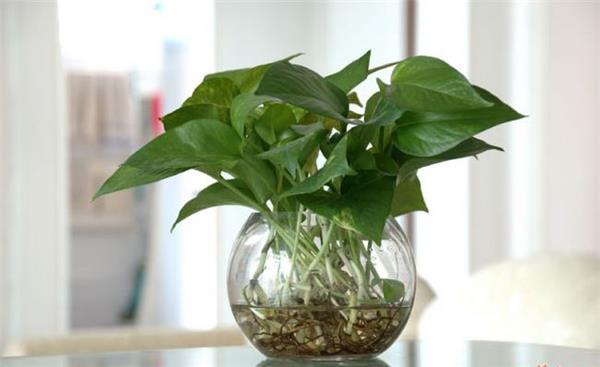
I. Growth Habits of Pothos
Pothos is a shade-loving plant that prefers a warm, humid environment and absolutely avoids direct sunlight. It likes shade and also prefers loose, fertile, slightly acidic soil rich in humus. For overwintering, the optimal temperature should not fall below 15°C.
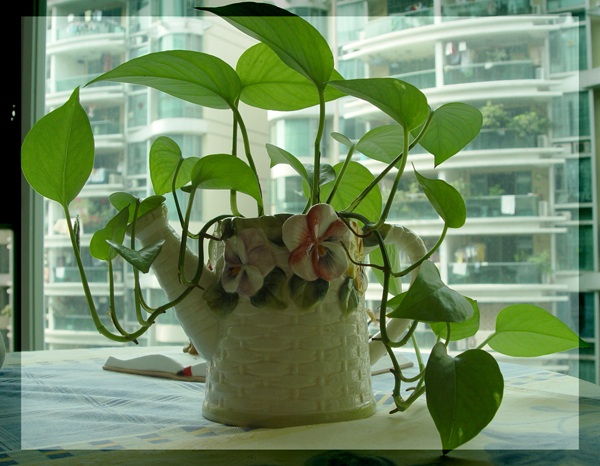
II. Precautions for Growing Pothos in Water
Water quality: The water used for growing pothos is also very important. You can choose clean tap water or purified water to grow pothos. Choosing the right water quality is extremely important for hydroponic pothos, so the selection of water quality matters greatly.
Light: The original growing conditions of pothos are in forests shaded by towering trees, so its heliotropism is not strong. However, in the northern regions during autumn and winter, to compensate for the lack of temperature and photosynthesis, its light exposure needs to be increased. We can place pothos in the brightest spot indoors, or move it to a sealed balcony at noon to bask in the sun.
Temperature: In the north, the room temperature should be above 10°C for pothos to overwinter safely, and above 20°C for pothos to grow normally. Most households can reach this temperature; just be careful to avoid excessive temperature differences, and also make sure the leaves are not too close to heating equipment.
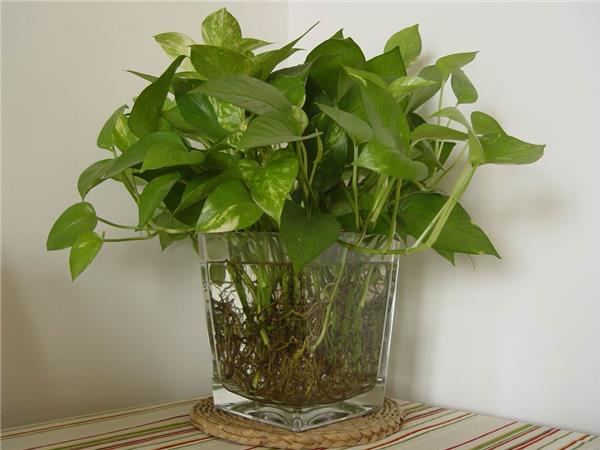
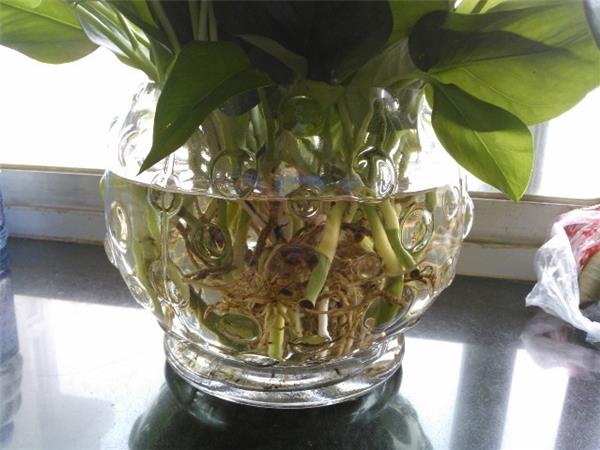
Root trimming: The roots of pothos need to be cleaned periodically. Once the roots grow long, the roots need to be trimmed. If there are rotten roots, cut them off so that pothos can better absorb nutrients.
Misting: Pothos likes a warm and humid environment, so be sure to mist the leaves of pothos regularly to increase humidity. This is very beneficial for the growth of pothos and can also help clean the leaves.
Water changes: When growing pothos hydroponically, be sure to change the water frequently. Remember to change the water every two to three days, because pothos has very high requirements for water quality. After pothos grows new roots, remember to add nutrient solution to it, so that the leaves of pothos can be more glossy.
III. Be Aware of the Toxicity of Hydroponic Pothos
It is a fact that pothos is toxic, but growing it at home is still fine, because as long as you do not consume the sap of pothos, it will not cause poisoning. Although the sap of pothos is toxic, it is only mildly toxic. During cultivation, even if you touch the leaves of pothos, as long as you do not directly consume them, it will not affect your body. In addition, with hydroponic pothos, if you touch the water it is grown in, as long as you do not drink it, there is generally no harm.
As a plant with mildly toxic sap, accidental ingestion may cause allergic reactions. Therefore, during everyday cultivation, everyone should be especially careful not to put it in the mouth, and it is best not to let food come into contact with pothos. Regarding the effects of pothos sap on the body, experts say that the sap of pothos is toxic; whether it is an adult or a child, skin contact may cause redness, swelling and itching, and accidental ingestion may also cause throat pain. For toxic plants such as pothos, the toxins mainly come from the sap in the plant stems. As long as you do not directly touch the sap with your hands, it will not cause poisoning.
Of course, in general, the probability of adults accidentally ingesting pothos is lower than that of children, so people with children at home should take special care to place plants such as pothos, lucky bamboo and cacti as far out of children's reach as possible.