What is the price of ash trees and what is the planting method for ash trees
The finished shaped ash trees and finished bonsai are both rather expensive, so people interested in this plant are generally advised to grow and cultivate it themselves, which is more cost-effective and also lets them experience the joy of gardening.
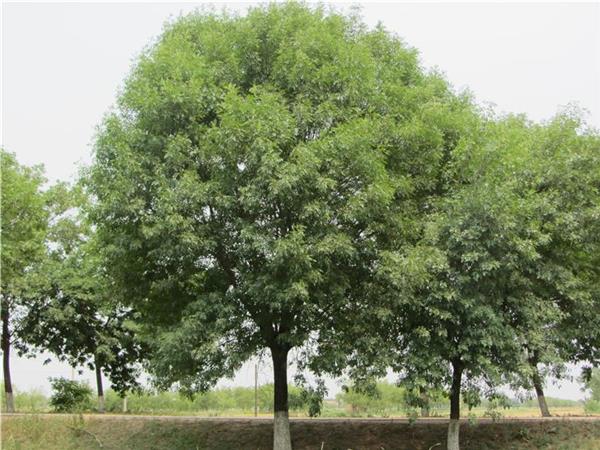
Cultivation techniques for ash trees
Site selection and land preparation: Choose a sandy loam plot with loose, fertile soil and convenient drainage and irrigation as the nursery site. Along with deep plowing, use 50kg of ferrous sulfate per mu for soil disinfection. Before sowing, prepare the land carefully to achieve a level, loose, even and fine surface. For sandy soil and clay soil, apply more organic fertilizer and mix in plenty of sand or imported soil to improve the soil's physical and chemical properties. Apply 2-3 kg of 5% phoxim granules per 667 sq m, mix the pesticide with fine soil evenly, spread it over the nursery plot and then plow it in to kill underground pests.
Seed treatment: Select superior, robust plants free of pests and diseases. The seeds can be harvested when the samaras turn from green to yellow-brown and the seed kernel becomes hard. After drying in the sun, remove debris and store in the warehouse. In early March of the following year, after soaking in water for 1 day, stratify the seeds with moist sand at a sand-to-seed ratio of 3:1 in a sheltered, sunny spot. Turn the mixture over every 3-5 days, sprinkle an appropriate amount of water depending on how dry or moist it is, for about half a month. Watch closely: once about 30% of the seeds have split open and sprouted, they can be sown.
Irrigation and drainage: Determine the timing and amount of irrigation reasonably according to the different growth stages of the seedlings. After planting, irrigate thoroughly so the sand comes into close contact with the gaps around the roots. Normally keep the sand bed moist and sprinkle water on the trunks frequently. During seed germination, keep the bed surface constantly moist, and irrigate in small amounts but often. After the seedlings emerge completely and the cotyledons are fully expanded, they enter a period of vigorous growth, when irrigation should be greater in amount but less frequent, once every 2-3 days, each time watering thoroughly and sufficiently. Irrigation is best done in the morning and evening. In rainy autumn, drain promptly.
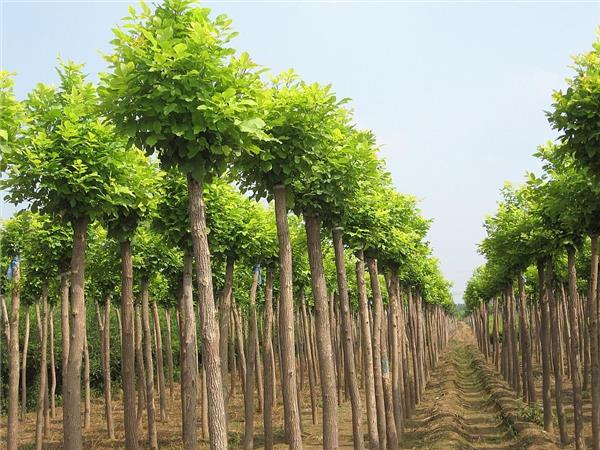
Light and shading: The results will be better if protected with 30%-50% shade netting. Under normal circumstances, they will sprout by late spring and early summer. After the Start of Autumn in early August, the shade netting can be removed to let them enjoy full sunlight. From late April to early May, if there are still tree stumps that have not sprouted, scrape off the bark with a small knife. If the bark at the top is still emerald green rather than withered yellow, you can pull them out of the sand bed, soak them in clean water for a full day and night, then place them in sand in a half-shaded, half-sunny spot for care, which can still encourage them to sprout and survive.
Loosening soil and weeding: Following the principle of "weed early, weed small, weed completely", pull out weeds promptly. Weeding is best done after rain or irrigation. When the seedlings enter the peak growth period, loosen the soil; shallow at first, slightly deeper later, taking care not to damage the seedling roots. During the seedling hardening period, to promote lignification of the seedlings, stop loosening the soil and weeding.
Fertilization and topdressing: During the vigorous growth period of the seedlings, apply chemical fertilizer as a supplement. Apply nitrogen fertilizer during the seedling stage; during the rapid growth stage, apply more nitrogen and potassium fertilizer or a combination of several fertilizers; in the later growth stage, stop applying nitrogen fertilizer and apply more potassium fertilizer. Topdressing should mainly use quick-acting fertilizers, in small amounts but often.
Pest and disease control: The main disease of ash trees is sooty mold, and the main pests are leaf roller moths and longhorn beetles. The former harms tender leaves, while the latter bores into branches and trunks. Once pests or diseases are found, eliminate them early. Prevention of pests and diseases should start with winter plowing, soil disinfection, selection of superior seeds, seed disinfection, rational fertilization, timely early sowing and management. In addition, after chlorosis appears on the leaves, no other pathogens have been observed invading and causing harm so far. For chlorosis, dissolve ferrous sulfate in water at 1:400 and pour it on the roots, once every week, and it will heal after 3-5 consecutive times.
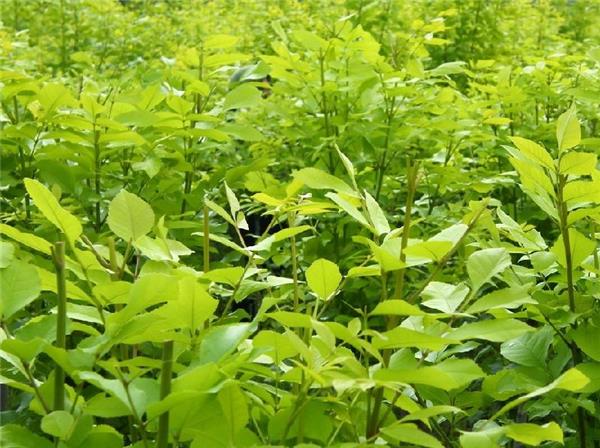
Reference prices for ash trees
Small seedlings cost 2 yuan each, 5 cm field-grown seedlings cost 60 yuan each, 10 cm field-grown seedlings cost 200 yuan each, 15 cm field-grown seedlings cost 1000 yuan each, 20 yuan shaped trees cost 8500 yuan each, and 20 cm shaped Chinese ash bonsai cost 3000 yuan each.
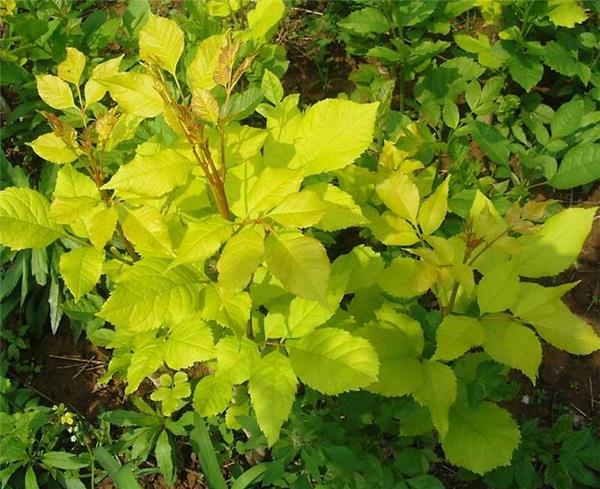
In addition to the points to note in the process of growing ash trees described above, when growing ash trees, especially bonsai ash trees, you should also pay attention to pruning them at the right time to ensure a beautiful tree shape and lush branches and leaves.