How to grow Moluccella laevis? Planting methods and pictures
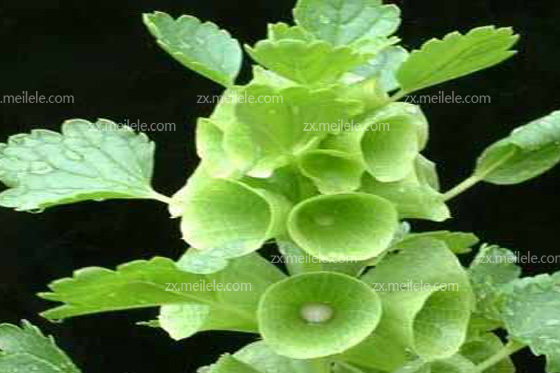
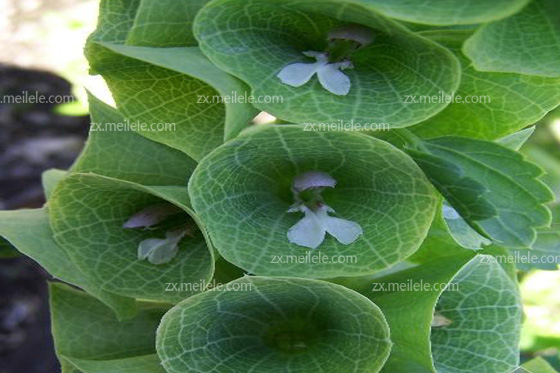
Moluccella laevis, also known as shell flower and elephant's ears, is an annual or biennial herbaceous plant in the genus Moluccella of the Lamiaceae family. Moluccella laevis has a unique flower shape, with a lipped corolla and white flowers that resemble seashells, making it very endearing. Moluccella laevis is often used as a filler flower in floral arrangements, and can also be used as dried flowers or grown in pots for ornamental purposes. After drying, Moluccella laevis turns white, making it an excellent material for dried and fresh flowers. Moluccella laevis is also a very eco-friendly plant that can absorb carbon dioxide and release oxygen, making it very suitable for home cultivation.
How to grow Moluccella laevis
Moluccella laevis is generally propagated by sowing seeds, and can be sown in spring, summer, and autumn. It is best suited to sunny and relatively moist soil. During the seed germination period, it is best to water once a day to ensure the seeds absorb moisture.
1. The seeds of Moluccella laevis are small and triangular in shape. There are no special requirements when sowing; ordinary soil or dirt can be used for sowing.
2. When planting Moluccella laevis, some sandy soil and small stones are needed. First, place the small stones at the very bottom of the flower pot, then spread the sandy soil on top of the small stones. At this point, the seeds can be scattered in the prepared potting soil, and finally covered with a layer of fine soil, keeping it moist. The sown seeds will sprout in about a week. The seedlings grow very slowly at first, and it generally takes about 20 days for true leaves to appear.
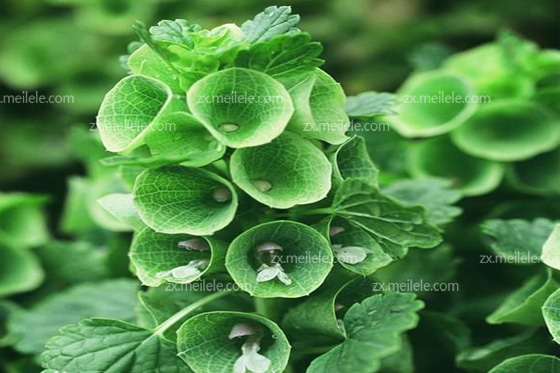
3. The first month or two is the seedling stage. After about three months, Moluccella laevis will bloom, with the entire green bracts looking very bright in color. The small flowers are hidden inside the bracts and are white. A cluster of Moluccella laevis grows tightly packed together, as if a collar were tied around the flower stems, which is why Moluccella laevis has the special name "collar flower."
4. Moluccella laevis grows very vigorously in the later stages, and pests and diseases rarely occur, though sometimes there can be damage from leaf miners. If growing at home, it can be planted in small quantities to achieve the best ornamental effect.
Ornamental value of Moluccella laevis
Moluccella laevis has a unique flower shape and is an excellent companion in floral arrangements. It can also be enjoyed as a dried flower or potted plant. Moluccella laevis looks plain but is particularly beautiful. There are now many varieties of Moluccella laevis, with white, colored, and other types appearing, but the calyx is mainly green. Moluccella laevis not only has high ornamental value but also excellent environmental value. Each pot of Moluccella laevis can absorb 150g of carbon dioxide and release about 56g of oxygen per year.
Moluccella laevis flower language
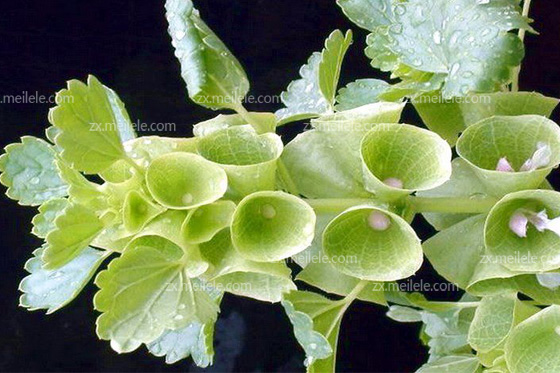
Moluccella laevis is not only unique in appearance, but it also has its own flower language: charming, delicate. The only love. Moluccella laevis is dainty and lovely, with a distinctive charm. As a potted flower given as a gift, it can express one's feelings very well. Moluccella laevis is unique and one of a kind. Giving such a flower to a beloved partner makes the implied meaning self-evident.
Conclusion: Moluccella laevis is an excellent plant for both flowers and foliage, and is widely used in today's flower market; it is also a very ecological plant and is very popular among people. Regarding Moluccella laevis, I believe everyone now has a further understanding. If you love this unique plant, you can also grow a few pots yourself. Placed indoors, it has a wonderful decorative effect and also benefits people's physical and mental health.