How to grow gardenia? Detailed guide to cultivation methods and precautions
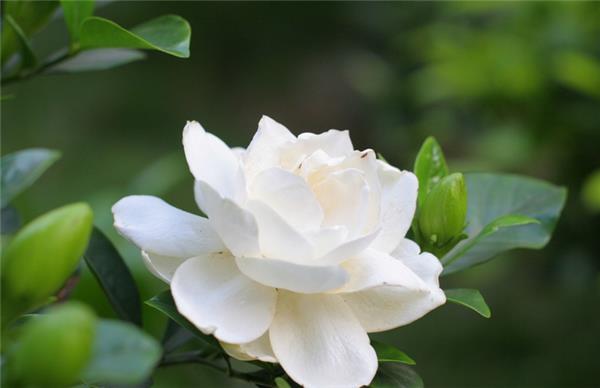
The gardenia is very beautiful; every time it blooms, it is so lovely, so pure white. Growing it on a home balcony or in an indoor bedroom is very beautiful, so how do you grow gardenia? Especially for potted plants, what details need attention? Below I will share the cultivation methods for gardenia.
I. Cultivation methods for gardenia
1. Choose acidic potting soil! Potted gardenia requires acidic soil with a pH of 5-6. When planting, use leaf mold, peat soil, or composted sawdust mixed with half garden soil. Remember, never use wall soil or coal cinders as cultivation soil.
2. Water frequently during cultivation! During the gardenia cultivation process, water when the surface of the potting soil dries out. In the evening, you can use a spray bottle to sprinkle water on the leaves. For plants that grow too vigorously with longer internodes, do not water in the evening; water again after the sun comes up in the morning.
3. Fertilize frequently as usual! You can add 3% decomposed cake fertilizer to the potting soil as a base fertilizer. During the growing season, water once a week with alum fertilizer water made by composting cake fertilizer with ferrous sulfate. During the bud stage, water 1 to 2 times with a 0.1% potassium dihydrogen phosphate aqueous solution. Stop fertilizing during the extreme summer heat when the temperature is above 35°C and in autumn when it is below 15°C.
4. More watering and more light! Gardenia likes sunlight, but it fears heat and strong sun. It grows best in semi-shaded places; 60% of full-day sunlight is enough, and this can meet its growth needs.
5. Winter dormancy and freeze protection! In winter, as temperatures drop, severe cold can damage the gardenia's root system, especially in the north, where winter arrives early and lasts long, so freeze protection for gardenia in winter is very important. Wrap the flowerpot with foam plastic and other insulating materials, protect the root system well, and place it in a wind-sheltered, sunny spot to overwinter; it will recover quickly in spring and bloom early.
II. Precautions for growing gardenia
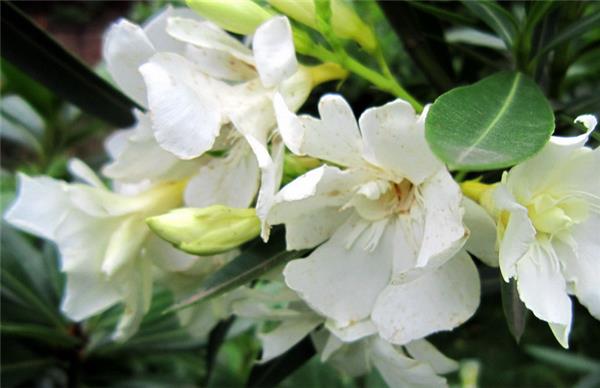
Gardenia often suffers from chlorosis, a yellowing of the leaves. Chlorosis is caused by many factors, so different measures must be taken for prevention and control. Chlorosis caused by fertilizer deficiency: this type of chlorosis starts from the older leaves at the lower part of the plant and gradually spreads to the new leaves. Nitrogen deficiency: leaves simply turn yellow, and new leaves are small and brittle. Potassium deficiency: old leaves change from green to brown. Phosphorus deficiency: old leaves become purplish-red or dark red. For all the above situations, you can apply decomposed human excrement or cake fertilizer. Chlorosis caused by iron deficiency: this type of chlorosis appears on new leaves; at first the leaves are pale yellow or white while the veins remain green, and in severe cases the veins also turn yellow or white, and eventually the leaves dry up and die. For this situation, spray a 0.2%-0.5% ferrous sulfate aqueous solution for prevention and control. Chlorosis caused by magnesium deficiency: this type of chlorosis starts from old leaves and gradually develops toward new leaves, the veins remain green, and in severe cases the leaves fall off and the plant dies. For this situation, spray a 0.7%-0.8% boron-magnesium fertilizer for prevention and control. Excessive watering, freezing, and other factors can also cause yellow leaves, so special attention must be paid during care.
III. The gardenia's effect on the home environment
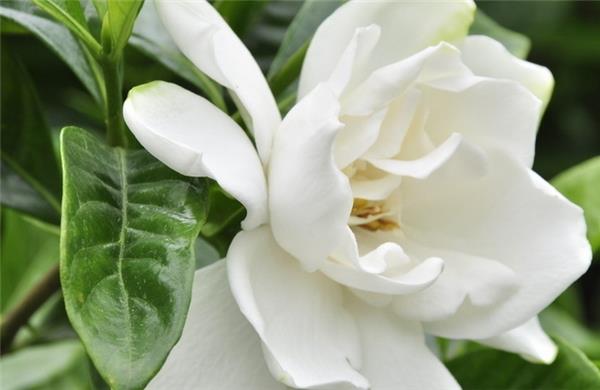
1. Its appearance makes you feel it is impeccable. We often say that the gardenia has great ornamental value. How does it have ornamental value? The gardenia has lush branches and leaves, its foliage stays evergreen all year round, its flowers are fragrant and elegantly simple, and its green leaves and white flowers are especially clear, lovely, and charming. It is an excellent landscaping material for courtyards. It is suitable for placement in front of steps, beside ponds, and along roadsides, and can also be used as a flower hedge, potted plant, and bonsai for viewing. The flowers can also be used in flower arrangements and worn as decoration. A delicate, charming little flower that keeps giving off a fresh fragrance makes people linger and not want to leave.
2. It can bring about a qualitative change in the home environment. The greatest feature of a gardenia is its floral fragrance. As long as you plant one at home, it can be smelled for several hundred square meters around. Just imagine, in your home, with a space of about more than 100 square meters, no matter which corner you walk to, you can smell the scent of gardenia. What an enjoyable thing that would be!
3. Its role in beautifying the home is absolutely considerable. If you place a gardenia beside the TV at home, in addition to beautifying the indoor space and absorbing harmful indoor radiation, it also continuously releases a fresh fragrance, covering the original plain or even unpleasant odors, exchanging the air in the space, and making the whole home full of poetry.
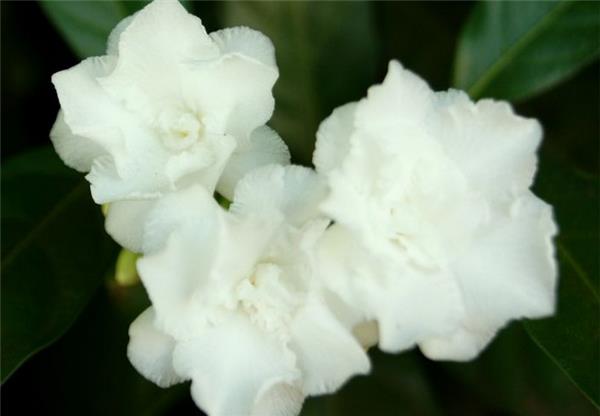
Through the introduction above, I believe everyone now knows how gardenia should be grown. Hurry and take action, and let the pure white, beautiful flowers take root and sprout in your own home and bloom beautifully!
Bloom beautifully!