How to ripen kiwifruit? A few practical methods to teach you
Kiwifruit is a fruit that many people like to eat, but the kiwifruit you just bring home is often rock hard, and eating it is sour and astringent. Experts remind us that kiwifruit must be fully ripened before eating, otherwise some of the substances in it are not good for human health, and the astringent taste is also very unpleasant. At this point we need to master some scientific methods for ripening kiwifruit, so that we can enjoy ripe kiwifruit in the shortest possible time. Specific ripening methods: store kiwifruit together with already ripe apples, bananas, tomatoes and other fruits, and use the natural ripening gas "ethylene" released by these ripe foods to achieve the ripening effect.
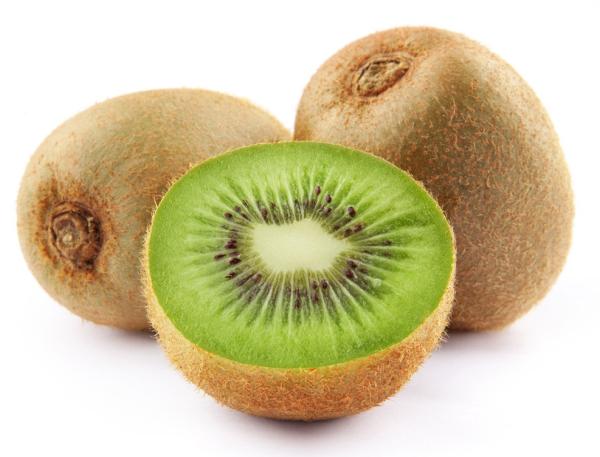
How to ripen kiwifruit?
How to ripen kiwifruit is actually very simple. Just put apples, bananas or pears together with kiwifruit in a plastic bag and tie it tightly, and after two days the kiwifruit will soften and be fully ripe, with a particularly good effect. This is because bananas, apples and pears release a substance called ethylene, which has a strong ripening effect, so the kiwifruit ripens very quickly.
Using a toothpick to ripen kiwifruit
First wash the bought kiwifruit clean with water, then use a clean toothpick to poke a few small holes in the kiwifruit, then put it into a plastic bag and tie it up, and leave it for a few days, which will speed up the ripening progress. You can also use a small knife to cut a few small slits on the outside of the kiwifruit, which can likewise play a role in ripening kiwifruit. This is because the small wounds can make kiwifruit produce ethylene, and ethylene can speed up the ripening of kiwifruit.
Warm reminder: Although this method is good, the small wounds will breed some microorganisms, which will affect the quality of the kiwifruit, so it is still not very recommended.
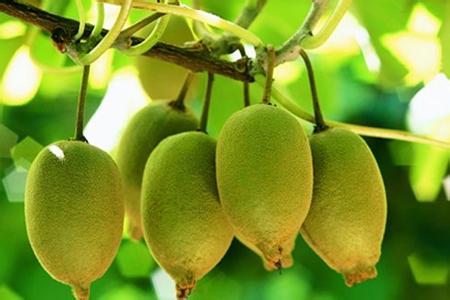
Raise the ambient temperature where the fruit is placed.
The higher the ambient temperature where kiwifruit is stored, the more active the fruit's metabolism, and the faster it ripens. So it is best not to put freshly bought unripe kiwifruit in the refrigerator; keeping it in a box at room temperature for one or two days will make it soften faster than storing it in the refrigerator.
Warm reminder: When kiwifruit is kept at room temperature, it is relatively easy for bacteria to grow, so when storing it you must always pay attention to observing the appearance of the kiwifruit to prevent it from rotting and spoiling. When eating kiwifruit, it should be peeled before eating.
Sealed ripening
A new method for rapidly ripening kiwifruit in large batches: first put the hard kiwifruit into cardboard boxes to make fruit boxes; then place the fruit boxes indoors and stack them, and close the indoor doors and windows to keep warm; then control the indoor humidity at 80-90% and the temperature at 20-30°C; open the fruit boxes once every 2-3 days to release the carbon dioxide inside the fruit boxes and let oxygen enter the fruit boxes; at the same time turn the stacks, placing the fruit boxes inside the stack on the outside and the fruit boxes outside the stack on the inside; the hard kiwifruit can be completely ripened in 5-8 days, reaching the best eating flavor.
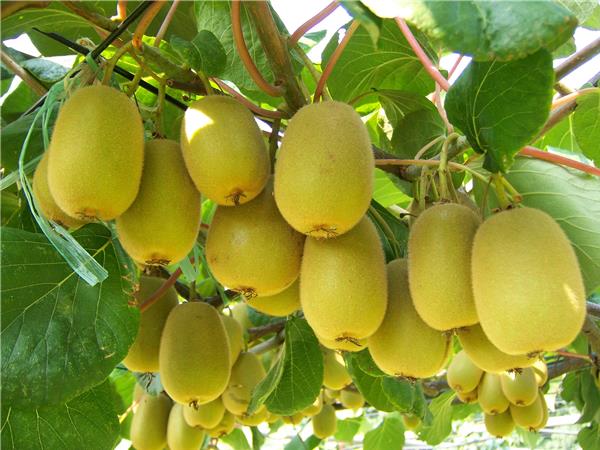
After the hard kiwifruit has finished ripening, immediately open the fruit boxes, open the indoor doors and windows to lower the temperature and ventilate, reducing the content of ethylene gas produced during the ripening process of the hard kiwifruit; store the ripened fruit for 3-4 days at 20°C, and for one week at 0-5°C.
Is using apples to ripen kiwifruit reliable?
Is using apples to ripen kiwifruit reliable? Let's look at a set of experiments:
1. Experimental equipment: kiwifruit, apples, food bags.
2. Experimental purpose: to compare the difference in effect between kiwifruit placed alone and kiwifruit placed together with apples.
3. Experimental process: put hard kiwifruit together with apples, and after 7 days they softened.
Four domestic kiwifruit were bought from the supermarket at a little over 4 yuan per jin. When first bought, the kiwifruit were all rock hard and simply inedible. The sales assistant said that soft kiwifruit is not good for transport and is easily damaged, so those entering the supermarket sales area are generally hard. The reporter put 2 kiwifruit together and sealed and tied them with a food bag. Then, the reporter put another kiwifruit together with a ripe apple, also sealed and tied with a food bag. Afterwards, the reporter placed the two bags of fruit in the same place and continuously observed their changes.
After about 7 days, the reporter found that the kiwifruit placed together with the apple showed obvious signs of softening, while the kiwifruit with the two kiwifruit placed together did not change very much. Peeling open the two bags of kiwifruit to take a look, the flesh color of the kiwifruit placed together with the apple was on the darker side and tasted better, while the kiwifruit with the two kiwifruit placed together still seemed somewhat green and unripe, and besides being hard, it also tasted a bit sour and astringent.
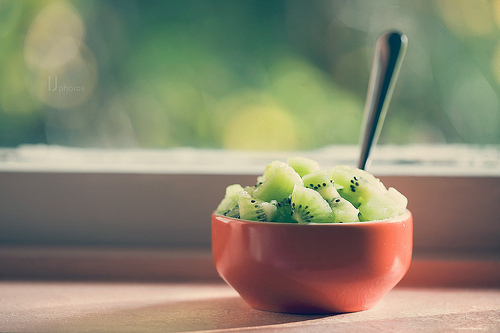
How to select kiwifruit?
Look at firmness
Carefully feel the entire fruit lightly all over, and choose fruit with a relatively firm texture. Any fruit that has already softened all over or has soft spots in part should be avoided as much as possible. If you choose it, you should eat it immediately after returning home.
Look at the appearance
Fruit that is plump and free of injury and disease is better, and those that show a faint green color near one end are the best. The amount of fuzz on the skin varies by variety.
Look at the size
Small fruit is not inferior to large fruit in taste and nutrition, so there is no need to blindly pursue large fruit, and especially do not choose abnormally large fruit.
Look at the color
Kiwifruit with dark green flesh and a sweet-and-sour taste has the best quality and the highest vitamin content. Those with lighter flesh color are slightly inferior.