Can Pregnant Women Eat Kiwi? The Benefits of Eating Kiwi During Pregnancy
Kiwi fruit is delicate, soft and fluffy, with a sweet-and-sour taste that suits the palate, making it a favorite fruit for many pregnant women, and its nutritional value is also very high. So, can pregnant women eat kiwi? What should pregnant women pay attention to when eating kiwi?
Can Pregnant Women Eat Kiwi?
Pregnant women can eat 1-2 kiwi fruits per day, which can stabilize mood and improve sleep quality. Eating kiwi is good for both you and your baby, but it is worth noting that kiwi is cold and cooling in nature, so pregnant women with weaker spleen and stomach function should not eat it often, to avoid causing abdominal pain and diarrhea. It should also be noted that after eating kiwi, you must not immediately drink milk or other dairy products, to avoid causing bloating and diarrhea. But if there is skin damage or allergy, pregnant women should still consult a doctor first before using kiwi.
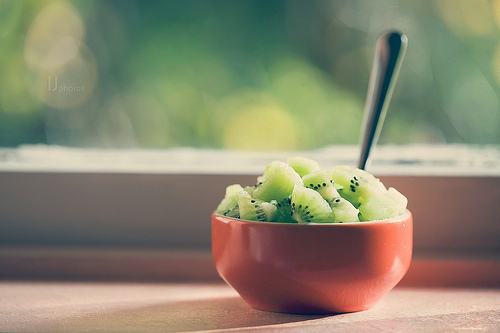
The Benefits of Eating Kiwi During Pregnancy
1. Supplementing folic acid.
Folic acid is a water-soluble B-group vitamin that plays an important role in cell division and growth and in the synthesis of nucleic acids, amino acids and proteins. It is an indispensable nutrient for fetal growth and development. A lack of folic acid in pregnant women may cause low birth weight, cleft lip and palate, heart defects and so on when the baby is born. Kiwi contains a large amount of folic acid and has the reputation of being a "natural folic acid powerhouse."
2. Preventing various fetal defects and congenital heart disease.
Before pregnancy or in early pregnancy, eating kiwi regularly can help prevent and treat various fetal defects and congenital heart disease.
3. Helping fetal eye development.
Kiwi also contains three natural antioxidant vitamins: carotene can improve human immunity and help the development of the fetal eyes.
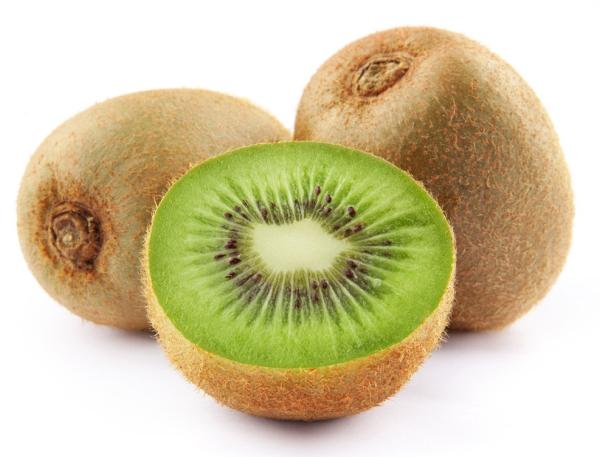
4. Keeping pregnant women from developing melasma.
Kiwi is rich in dietary fiber, vitamin C, vitamin B, vitamin D, calcium, phosphorus, potassium and other trace elements and minerals. The vitamin C in kiwi can effectively inhibit the oxidation of dopaquinone in the skin, transforming dark oxidized pigments in the skin into reduced light-colored pigments, interfering with the formation of melanin, preventing pigmentation and keeping the skin fair.
5. Ensuring fetal nutrition and promoting healthy fetal brain development.
The abundant vitamin C and vitamin E in kiwi can improve the body's resistance and enhance the body's absorption of sugar, allowing the fetus to obtain nutrition, while also benefiting fetal brain development. Especially when kiwi is eaten in the second trimester, it can help give birth to a smart baby.
6. Pregnant women can eat 1-2 kiwi fruits per day, which can also stabilize mood and improve sleep quality.

The Nutritional Composition and Value of Kiwi:
Facing the question "Can pregnant women eat kiwi?", I believe many people especially want to understand the nutritional composition and value of kiwi! Kiwi contains sugar, protein, amino acids, protease, vitamin B1, carotene, calcium, phosphorus, iron, sodium, potassium, magnesium, chlorine, vitamin C and many other nutrients, and its vitamin C content is 5 to 6 times that of an equal amount of citrus. Eating kiwi has very good effects on preventing cancer, stabilizing mood, activating the brain, lowering cholesterol, promoting heart health, clearing harmful metabolites from the body and moisturizing the skin.
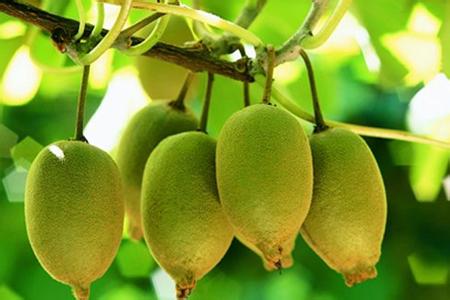
Precautions for Eating Kiwi
1. Do not drink milk immediately after eating kiwi
2. Kiwi should be eaten after eating pickled cabbage fish
3. Children are prone to allergies when eating kiwi
Taboos for Pregnant Women Eating Kiwi
Although kiwi is good, it is not suitable for everyone. Because kiwi is cold in nature, those with deficient cold of the spleen and stomach should eat it with caution, pregnant women with frequent diarrhea and frequent urination should not eat it, and patients with threatened miscarriage should also avoid eating it.