How to grow banana shrub? Banana shrub growing methods and precautions
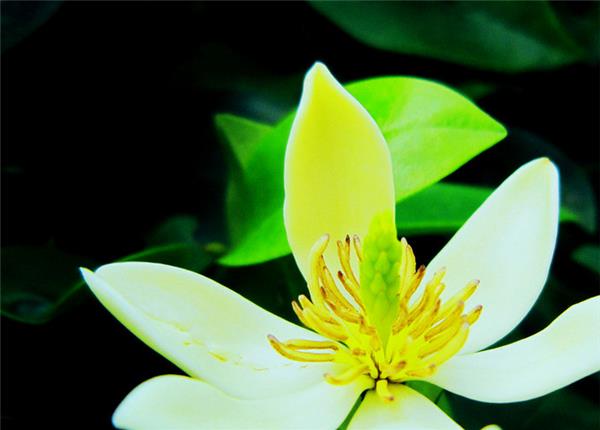
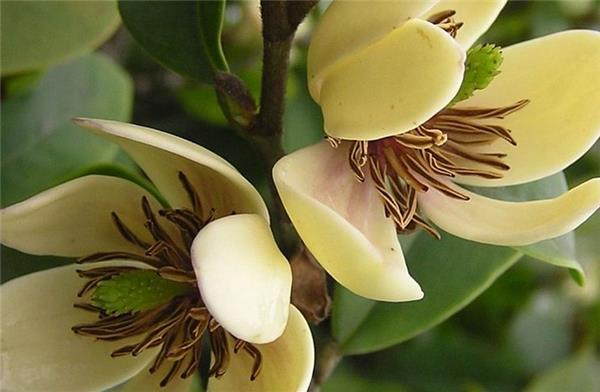
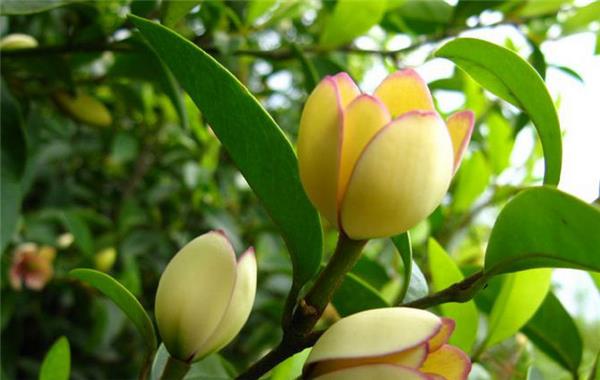
Banana shrub (Michelia figo) is a well-known ornamental plant grown for both its flowers and foliage. It is generally planted in home courtyards, and some people choose small varieties of banana shrub for potted cultivation, placing them in living rooms, by windows, and other spots. When banana shrub blooms, its delicate fragrance fills the air, giving a very comfortable feeling. Today let us learn how to grow banana shrub:
I. How to grow banana shrub
For potted banana shrub, repot every spring after flowering but before new leaves emerge, to meet its nutritional needs for growth and development; it should be placed in a well-ventilated semi-shaded spot, and the soil must be loose, breathable and well-draining. Banana shrub has many fleshy roots; if watered too much or if the pot becomes waterlogged after rain, the roots will rot and may even die from pests and diseases. Fertilizer must be fully decomposed; if conditions permit, it is best to combine it with phosphorus and potassium fertilizer. Apply a base fertilizer once each year before new buds sprout, and thereafter apply a dilute fertilizer once a month. Before taking the plant out in March each year, prune away dead and diseased branches; after new branches grow, thin out overly dense areas appropriately to promote growth.
Besides sowing and grafting, the propagation methods for banana shrub commonly used are cutting and layering. Autumn cuttings are taken in mid-September, and spring cuttings in late March. For open-ground cuttings, select one- to two-year-old branches, cut them to about half a chi in length, and they will root after about a month and a half. Autumn cuttings are generally potted in March of the following year, while spring cuttings are potted in September.
When banana shrub overwinters indoors, because of the high temperature and lack of ventilation, it is prone to scale insects and sooty mold, which must be controlled promptly.
II. Precautions for growing banana shrub
1. Temperature: The minimum temperature for banana shrub overwintering should not be lower than 5°C. Once the temperature falls below 5°C, the plant's normal physiological activities will be affected, the roots' absorption capacity will weaken, and the plant's tender branches and leaves will wilt. At the same time, the maximum temperature should not exceed 15°C; if the temperature is too high, the plant will consume too many internal nutrients, which is unfavorable for the next year's growth. Therefore, in winter, banana shrub is best kept at a room temperature of 5°C to 15°C.
2. Fertilizing: Banana shrub loves fertilizer. It is mostly fertilized with decomposed cake fertilizer, bone meal, chicken and duck manure, and fish offal and intestines, mixed with water. During the growing season (April to September), apply fertilizer once about every 15 days. Stop fertilizing during the flowering period and after October. If the leaves are found not to be bright and deep green, apply one dose of ammonium fertilizer solution.
3. Pests: Banana shrub often suffers from scale insect damage, which can also induce sooty mold. Scale insects can be brushed off with a small brush, or sprayed with No. 20 petroleum emulsion diluted 150 times with water; sooty mold can be controlled by wiping with clean water or spraying a carbendazim solution diluted 500 to 1000 times with water.
4. Pruning: Banana shrub should not be pruned excessively. Ordinarily, after flowering, prune the leggy branches, diseased and weak branches, and overly dense overlapping branches that affect the tree shape, and remove the fruits after flowering to reduce nutrient consumption. Before spring sprouting, appropriately thin out some old leaves to stimulate new branches and leaves.
III. Propagation methods for banana shrub:
1. Banana shrub grafting propagation method
For banana shrub grafting propagation, purple magnolia (Magnolia liliiflora) and Tianmu magnolia (Magnolia amoena) are often used as rootstock for branch grafting, and it also roots easily. As for grafting time, spring grafting should be done from late March to early April before banana shrub sprouts. Autumn grafting should be done from late September to early October. Autumn-grafted seedlings need strengthened tending; spring grafting is easier to manage, and the grafting survival rate generally can reach 85%. Grafting generally uses the cut-grafting method. For the scion, select robust one-year-old branches from the middle and upper parts of the mother tree, 1-2 nodes long, without leaves, and follow the usual cut-grafting procedure. After cut-grafting, to prevent water from seeping into the wound, cover with rice straw, leaving the top shoot exposed. After about 25 days, the scion will heal and begin to sprout. At this point, remove the covering straw and promptly wipe off the sprouts on the rootstock.
2. Banana shrub cutting propagation method
Banana shrub cutting propagation can produce more plants in a short time, but they grow slower than grafted seedlings. Spring and summer are suitable times for cuttings. Spring cuttings are taken in late March; select 1-2 year old branch tips, 10-15 cm long, remove the lower leaves, and insert them into a seedbed using yellow soil mixed with river sand (6:4) as the substrate. After insertion, shade is required (about 30% light transmittance), and the bed surface should be kept moist at all times. Once rooted, pot and plant them. For summer cuttings, select semi-lignified branches of the current year, about 8 cm long, using the same method as spring cuttings. Note that summer temperatures are high and air humidity is great, providing conditions for various diseases to breed. Therefore, the cutting substrate must be disinfected. In addition, if the base of the cuttings can be soaked in 200 ppm indolebutyric acid for 15 minutes, then taken out, dried, and then inserted, rooting can be accelerated and the survival rate increased.
Banana shrub has elegant branch tips and a captivating fragrance when in bloom. It is a well-known variety grown for both foliage and flowers, very suitable for beautifying the home. Judging from the growing methods for banana shrub, its care is also relatively simple. If you like banana shrub, you might as well place it in your living room or other spots at home.
Banana shrub has elegant branch tips and a captivating fragrance when in bloom. It is a well-known variety grown for both foliage and flowers, very suitable for beautifying the home. Judging from the growing methods for banana shrub, its care is also relatively simple. If you like banana shrub, you might as well place it in your living room or other spots at home.