A Detailed Guide to Eating Methods and Cultivation Techniques for Endive
The scientific name of endive is Cichorium endivia; since it is a vegetable, it can of course be eaten, and its nutritional value is very high. Today let's look at the effects and benefits of endive, and how to cultivate it artificially.
I. What Is Endive
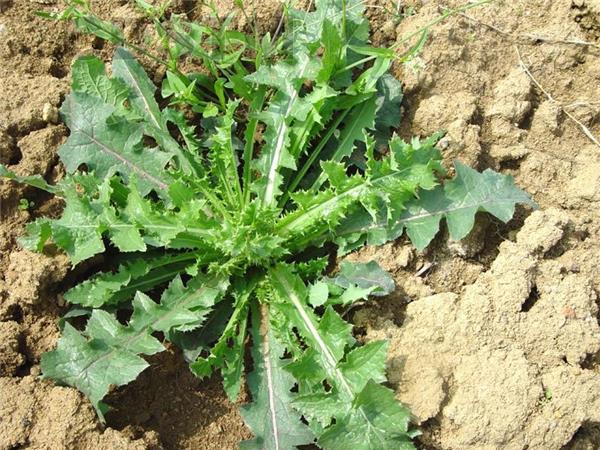
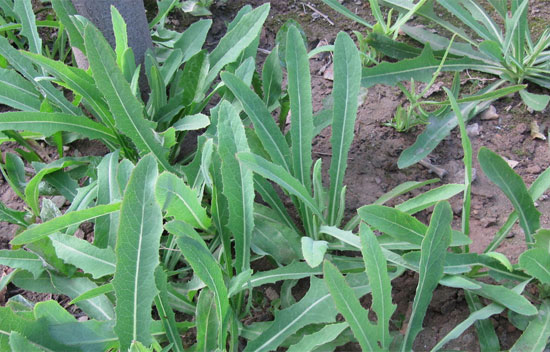
Endive (endive) is a cultivated species in the genus Cichorium of the family Compositae (Asteraceae) whose tender leaves are eaten; it is an annual or biennial herbaceous plant. Its scientific name is Cichorium endivia L. Every 100 g of tender leaves contains 95.1 g of water, 1.2 g of protein, 77 mg of calcium and nutrients such as vitamins. It is suitable for eating raw, cooking or making into soup. The leaves of endive are lanceolate. The flower head has about 20 florets, the corolla is pale purple, the pistil stigma is forked and pale blue, and there are 5 stamens joined into a tube, with pale blue anthers. The seeds are short columnar and grayish white, with a 1000-seed weight of 1.6 g. Seed germination capacity can be maintained for 10 years; in production, seeds stored for 1-3 years are mostly used for sowing.
II. Nutritional Components of Endive
Every 100 g of fresh endive contains 1.8 g of protein, 4.0 g of carbohydrates, 5.8 g of dietary fiber, 120 mg of calcium, 52 mg of phosphorus and trace elements such as zinc, copper, iron and manganese, as well as vitamin B1, B2 (0.2 mg), C (88 mg), carotene (3.22 mg), niacin and so on. In addition, it also contains chemical substances such as cerin, choline, tartaric acid and bitter principles. Endive contains 88 mg of vitamin C and 3.22 mg of carotene, which are 2.1 and 2.3 times the amounts in spinach, respectively. The tender leaves of endive contain a complete range of amino acids, and the proportions among the various amino acids are appropriate.
III. Edible Value of Endive
Endive is an excellent health food. The white sap of endive contains "endive essence", resin, large amounts of vitamin C and various flavonoid components. It is said that regularly eating foods containing endive can prevent and treat infections caused by various bacteria or viruses and improve human immunity. A variety of endive health foods have also been developed abroad, including beverages containing endive juice, endive nutritional biscuits, endive salad dressing and so on.
IV. Examples of Ways to Eat Endive
1. Cold-dressed endive
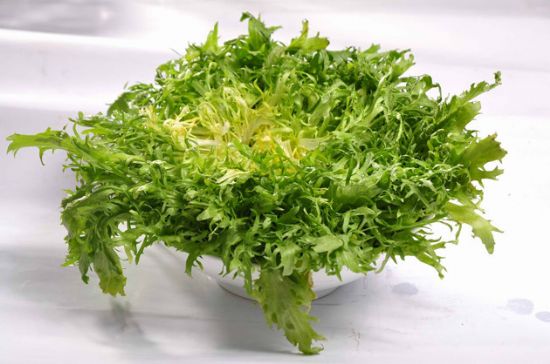
Wash one endive plant, drain the water, cut into sections and place on a plate, add stir-fried fragrant shredded dried chili, aged vinegar, white sugar, salt, monosodium glutamate, Sichuan pepper oil, sesame oil and chili oil, sprinkle with fried peanuts and mix well. The features of this dish are: it has all five flavors, sweet, sour, bitter, spicy and salty.
2. Three-color endive salad
Ingredients: 20 g romaine lettuce, 15 g endive, 20 g purple-leaf lettuce, 30 g Belgian endive.
Seasonings: 20 g purple chrysanthemum, 5 g olive oil, 5 g tarragon vinegar, appropriate amounts of salt, walnuts and shredded apple
Preparation method: 1. Tear the various lettuces into pieces and mix with shredded apple and walnuts. 2. Mix appropriate amounts of olive oil, tarragon vinegar and salt into a dipping sauce. 3. Garnish with purple chrysanthemum and plate.
V. Cultivation Methods for Endive
1. Planting: The main cultivation seasons for endive are spring and autumn. Spring sowing should be as early as possible, which can extend its vegetative growth period and harvest period. Seedlings can be raised in a hotbed, and when there are 7-9 leaves, transplant them with a plant spacing of 20 cm and a row spacing of 30 cm. Direct sowing in open fields is possible, but thinning is needed to facilitate plant growth. Autumn sowing can be divided into early autumn sowing and late autumn sowing. With early autumn sowing, harvest in that winter; with late autumn sowing, harvest in March-April of the following year. However, when cultivating overwintering crops in cold winter areas, they should be transplanted into protective facilities such as cold frames and greenhouses.
2. Field management: During the growth period, attention should be paid to watering, topdressing and intertillage weeding. In the early growth stage, watering is needed 2-3 times, usually more in spring and less in autumn. And according to the soil compaction condition, carry out intertillage and loosening of the soil together with watering. In the peak growth stage, apply quick-acting nitrogen fertilizer together with watering to promote leaf growth, making the leaves larger and thicker and improving yield and quality. In order to reduce bitterness and make the quality tender, blanching cultivation can be carried out. Any measure that keeps the leaves from seeing light and maintains moderate dryness can achieve the purpose of blanching, for example transplanting the plants into a cellar or covering them with straw curtains.
3. Seed saving: Endive seed saving is mostly done by sowing in autumn, protecting it through the winter from cold, and transplanting it with soil into the seed-production field in spring, or thinning in place and then saving seed. Usually both the plant spacing and row spacing are 30 cm. It bolts and flowers around June and can achieve full, plump seeds.
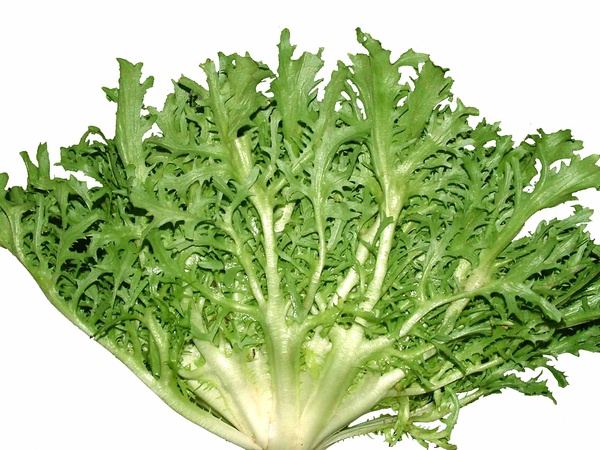
Has this plant with a unique taste but high nutritional value attracted everyone's interest? If you want to eat healthy and environmentally friendly endive that you have grown yourself, take action immediately and, by referring to the knowledge above, cultivate a pot of endive yourself.