How to grow water lilies? A detailed guide to water lily cultivation methods
In people's minds, water lilies have always been an aquatic flower variety with very high ornamental value, so water lilies are used quite a lot in modern aquatic plant landscaping. For places with relatively small planting areas, the most commonly used are mini water lilies. So what are the planting methods for water lilies, and how do you grow water lilies? Let's take a look:
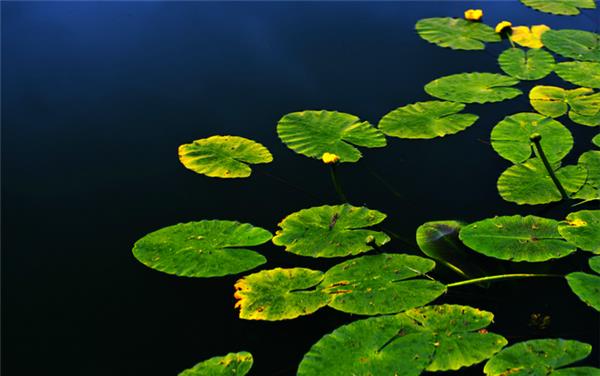
I. How to grow water lilies
1. Choose good cultivation soil: Mini water lilies like humus-rich, fertile, clayey soil. Therefore, for cultivation, it is best to choose silt that has long accumulated in rivers or ponds.
2. Choose good seed stems: Mini water lilies are mostly cultivated by division. The selection of seed stems is also a key part of successful cultivation. For the underground rhizomes used as seed, choose a section that is vigorous and robust, virus-free, undamaged, rot-free, and with new buds, and cut it into sections 6-10 cm long.
3. Plant appropriately shallow: If the underground stems used for planting mini water lilies are buried too deep in the mud, first, the soil temperature is relatively low, and second, oxygen is scarce, which is not conducive to early growth and rapid development. The cultivation depth is generally kept at a moderate level with the new buds on the underground stems level with the soil surface.
4. Sufficient light: Mini water lilies like a climate with ample sunlight, warmth and humidity, and good ventilation. Mini water lilies cultivated in pots or tubs must be placed in a position with sufficient light so they receive full sunlight.
5. Water conditions: Mini water lilies like to grow in relatively calm water bodies without large waves or strong currents, so planting them in artificial fountain pools with high-pressure water columns or in pools with rapid-flow waterfalls often leads to poor growth. The suitable water depth for planting mini water lilies varies with different varieties.
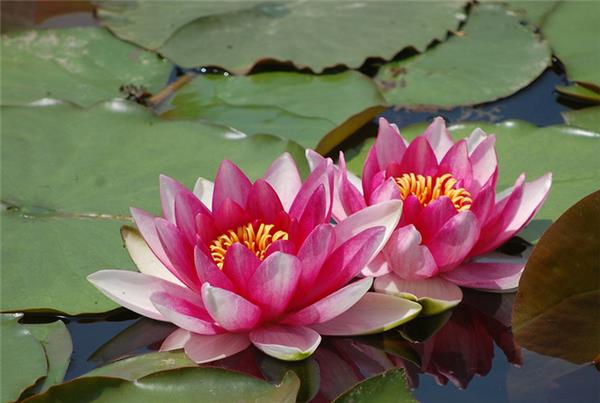
II. Precautions for water lilies
Repotting and changing soil: Around the Spring Equinox every year, combine division with repotting and changing the soil to keep the soil fertile and meet the nutrient needs of water lilies.
Expand the water surface: If the water surface is small, the leaves overlap, which will affect flowering. It is best to grow them in pots nested in tubs. Providing more than 1 sq m of water surface per plant can promote more flowering.
Apply more fertilizer: For fertilizing potted water lilies, generally it is enough to choose fertile soil and add some chicken manure and bone meal as base fertilizer when planting. To encourage more flowering, several additional topdressings mainly of phosphorus and potassium can be applied during the flowering period. Never apply too much nitrogen fertilizer, otherwise, because vegetative growth is too vigorous, it will inhibit reproductive growth, causing poor flowering or no flowering.
Prevent and control pests: Water lily leaves are easily attacked by leaf-eating pests such as night-foraging moths, causing damage to the leaf surface and reducing photosynthesis, which will inevitably affect flowering, so they should be controlled in time.
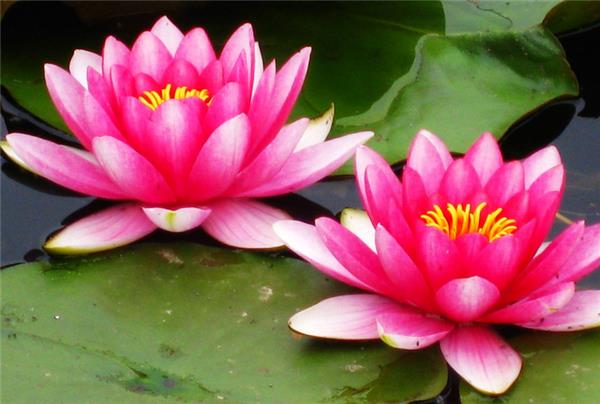
III. The effects and functions of white water lilies
1. The ornamental value of white water lilies
White water lilies are an aquatic ornamental plant. Generally speaking, they are planted in water and are among the best of aquatic plants. The color of white water lilies is relatively plain and elegant, generally mainly white, and the flowers are also large. They are a flower with many varieties and a plant with ornamental value. In the homes of some people who grow aquatic plants, white water lilies are quite favored.
2. The horticultural value of white water lilies
White water lilies were also used very early in garden art and are one of the earliest flowers used in garden art. Moreover, not only in our country, but in some other countries as well, white water lilies are often used as material for waterscape themes. In modern European and American garden art, white water lilies are often used for landscape decoration. They are a flower with great horticultural value.
3. The greening value of white water lilies
White water lilies can absorb harmful substances in water such as mercury, lead, and benzene, and can also filter microorganisms in water resources, making water quality clearer. Therefore, in many cities around the world, white water lilies can play a role in purifying, greening, and beautifying water bodies, so they have received attention and favor from people around the world. It is believed that in future development, the greening value of white water lilies will make people like this plant even more.
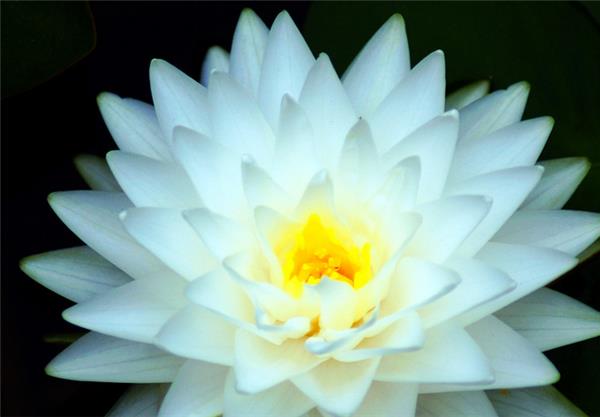
Water lily flowers are large and beautiful, and they look especially good floating on or rising above the water surface. Now more and more people also like to grow water lilies at home. That is all for today's introduction to water lily cultivation methods. If there is anything unclear, please forgive us.