A detailed guide to apricot tree cultivation techniques, teaching you how to grow apricot trees scientifically
Apricots are a fruit that many people love to eat, and the almonds in the apricot pits have multiple edible uses, such as making drinks, cooking dishes and serving as snacks. By learning how to grow apricot trees and then planting them, you can enjoy delicious, completely natural and pollution-free apricots and almonds.
I. Suitable apricot tree varieties for planting
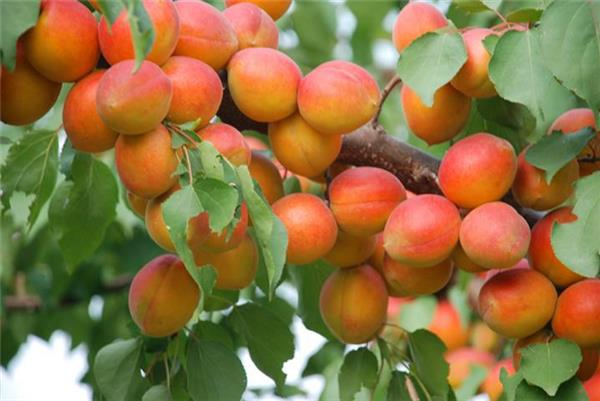
1. Jintaiyang apricot: an American variety. The fruit is relatively large, with an average single fruit weight of 66.9 grams and a maximum fruit weight of 87.5 grams. The fruit surface is golden yellow, smooth and beautiful, and the flesh is free-stone, tender and juicy with aroma, good quality, resistant to fruit cracking and relatively storage-tolerant. Under protected cultivation it can ripen in mid-April. It has strong adaptability and stress resistance, strong self-pollination fruit-setting ability, and high yield.
2. Dapengwang apricot: its ripening period is 5-7 days later than that of Jintaiyang apricot. It is a new extra-large early-maturing European apricot variety, with an average single fruit weight of more than 125 grams and a maximum fruit weight of 200 grams. It has a high fruit-setting rate, early fruiting, excellent quality, high and stable yield, and strong adaptability, and is extremely suitable for greenhouse cultivation.
3. Kate apricot: native to the United States. The fruit is nearly round and extra-large, with an average single fruit weight of 5.5 grams and a maximum of 38 grams. The skin is orange-yellow, with a red blush on the sunny side. The flesh is orange-yellow, fine in texture, rich in juice, with a refreshing sweet-and-sour flavor, strong aroma and top-grade quality. Under protected cultivation it ripens in late April. This variety has strong tree vigor, young trees grow vigorously and quickly expand their canopy and take shape, while trees in full fruit period have moderate vigor, with high and stable yield.
II. Points to note when planting apricot trees
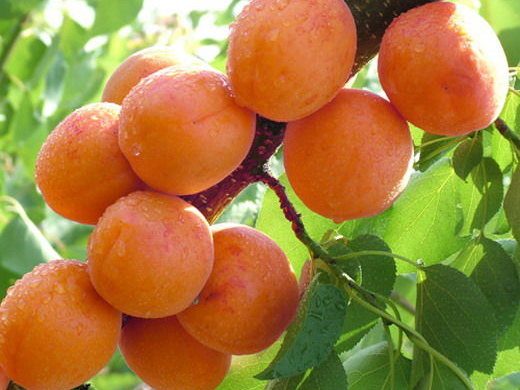
Planting: choose seedlings with a good root system, strong and plump branches, reaching a certain height and thickness, and free of serious pests, diseases and mechanical damage. Planting can be done in spring or autumn. The suitable period for spring planting of apricot trees starts when the soil thaws in early spring and lasts until mid-April; the suitable period for autumn planting runs from apricot leaf fall to before the soil freezes. In high-cold regions, spring planting is preferable.
Fertilizer and water: irrigate at least once before bud break, after flowering, in autumn and before the soil freezes. Irrigation and topdressing can be carried out at the same time. If there is a year with abundant rainfall, pay attention to drainage and waterlogging prevention in the apricot orchard. Apply base fertilizer before leaf fall. Apply topdressing before bud break and during the fruit enlargement stage with quick-acting nitrogen combined with phosphorus and potassium fertilizers; after fruit harvest, mainly apply phosphorus and potassium fertilizers with a small amount of nitrogen; for aging trees, the amount of nitrogen combined after fruit harvest can be appropriately increased.
Pruning: for young trees, shaping and pruning. Apricot trees have strong apical dominance, so a multi-main-branch natural open-center tree shape should be used. Pruning in the early fruiting stage: apricot trees generally begin to flower and bear fruit 3 years after planting, and branch growth is still very strong at this stage. The purpose of pruning is to continue expanding the canopy, maintain the necessary tree shape, and cultivate as many fruiting branch groups as possible. In the middle and late full fruit stage, the fruiting parts shift outward, and branches at the lower part of the canopy begin to become bare. Therefore, the main task of pruning in the full fruit stage is to regulate the relationship between fruiting and growth, keep the tree healthy, and prolong the years of full fruiting. In the aging stage, the main task of pruning apricot trees is rejuvenation and renewal and re-cultivating fruiting branch groups. The specific pruning method is to heavily retract weakened perennial branches, stimulate latent buds to sprout vigorous shoots, and select from them to cultivate new scaffold branches, extension branches and fruiting branch groups.
Harvest: after apricot fruit harvest, young vigorous branches need to be bent and opened in angle to moderate tree vigor and promote flower formation. Continue pinching new shoots a second time to promote branching and cultivate branch groups. Promptly prune out water sprouts and diseased and pest-infested branches. Burn diseased and pest-infested branches in a concentrated manner.
III. Pest and disease control of apricot trees
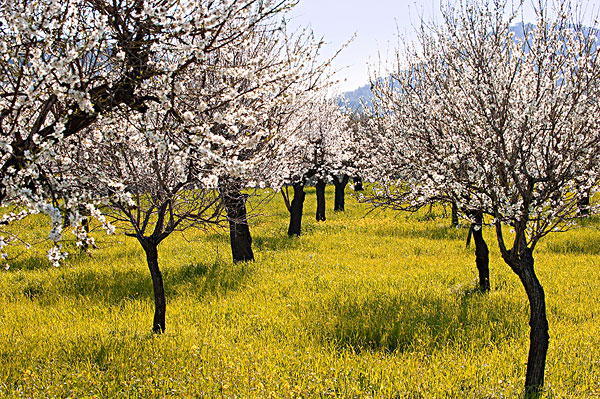
1. Apricot gall disease: this disease occurs on new shoots, leaves, flowers and fruits of apricot trees. It generally appears after apricot petal fall. The young shoots of affected apricot trees elongate slowly, first turning dark red and gradually turning yellow.
Control method: where apricot gall disease is found, promptly prune out diseased branches and leaves and burn them in a concentrated manner. If done continuously for 2-3 years, it can basically be controlled.
2. Apricot seed wasp: before the fruit ripens, the larvae of the apricot seed wasp bore into and damage apricot fruits, causing the fruits to drop early.
Control method: promptly collect fallen fruits and bury them deeply. Around May, spray 2500-fold deltamethrin or fenvalerate to kill the larvae, with good results.
3. Apricot fruit weevil: April to June is the period when apricot fruit weevil damage is prone to occur. They feed on young buds and flower buds of apricot trees, lay eggs after petal fall, and damage apricot fruits.
Control method: insects can be captured manually, or spray 200-fold 50% wettable DDT.
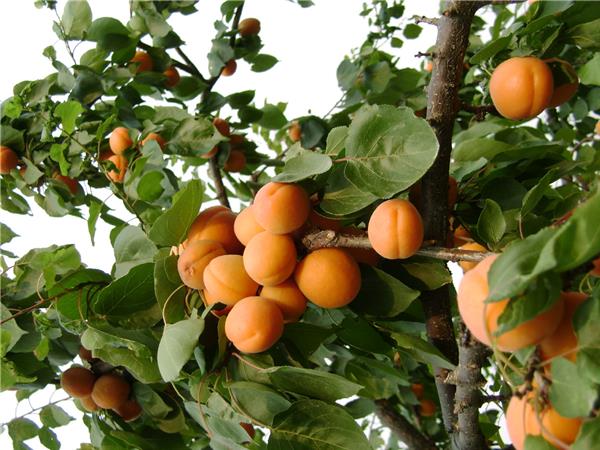
How about it? After reading the above introduction, do you now have a deeper understanding of how to grow apricot trees? Apricot trees can not only bear delicious fruit, but in summer they can also provide shade and cooling, so they are very suitable for growing in courtyards.