Mosquito-repellent scented geranium is both beautiful and fragrant
Scented geranium (Pelargonium graveolens) not only has high ornamental value, but can also be used as a traditional Chinese medicine to treat rheumatism and other conditions. Its essential oil also has beauty and skincare benefits, and in addition, it can repel mosquitoes.
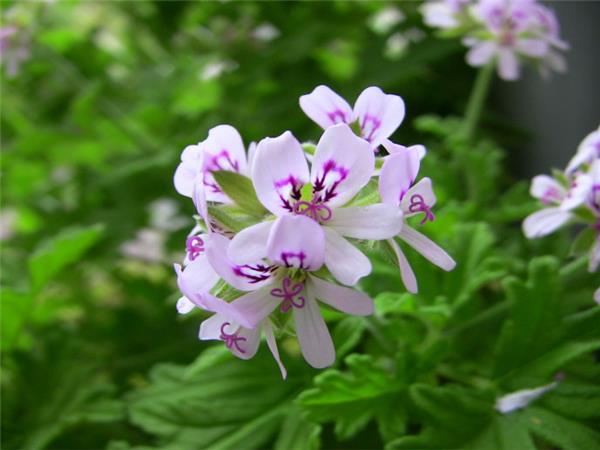
The benefits and effects of scented geranium
Its therapeutic effects as a traditional Chinese medicine. This plant is a flower with a pungent taste and warm nature. Its main benefits and effects lie in dispelling wind and removing dampness, promoting the flow of qi and relieving pain, and it also has an insecticidal effect. It has good therapeutic effects on rheumatic arthralgia, hernia, scrotal eczema and scabies. In terms of usage and dosage, it can not only be decocted in water for internal use, but can also be used to infuse wine; for external use, an appropriate amount should be decocted in water for washing or pounded and applied. It is recorded in works such as the "Chinese Materia Medica".
Its effects on the skin and body. Many people may know that scented geranium can be used to make essential oils and cosmetics, but in fact it can also balance skin secretion and has good effects on eczema, burns, shingles and chilblains. Pale and lifeless skin becomes rosy and vibrant after using geranium, and it can also regulate the body's hormone secretion, improve premenstrual syndrome and menopausal problems, while also strengthening lymphatic system function, removing toxins and increasing immunity.
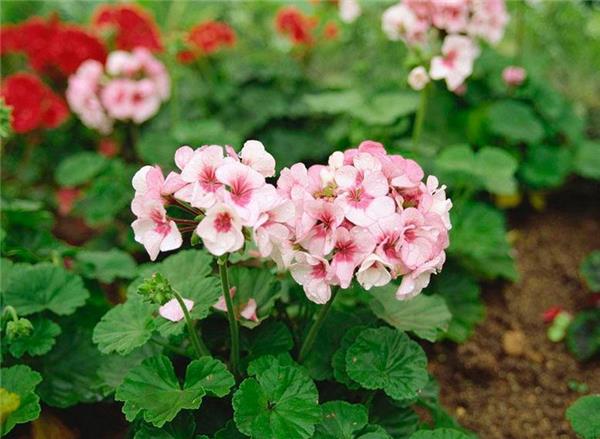
Notes on growing scented geranium
Habits: It originates from the Cape of Good Hope in southern Africa. It is an evergreen perennial herbaceous plant, with flowering and fruiting periods from March to June. Scented geranium prefers a warm environment with plenty of sunlight. It is not cold-tolerant, dislikes waterlogging and high temperatures, tolerates poor soil, and is slightly shade-tolerant. The optimum growing temperature is 10 to 20 degrees, and the winter temperature should not drop below 7 degrees. In summer it enters a semi-dormant state, and water must be strictly controlled. The soil should be a sandy loam rich in organic matter and well-drained. Suitable planting areas include regions below 1800 m altitude and with a frost period of less than 10 days.
Propagation: Sowing propagation is carried out in March, sown in pots indoors. The sowing soil is a mixture of high-temperature-sterilized peat, potting soil and river sand, covered with a shallow layer of soil after sowing; the germination temperature is 13 to 18 degrees, and germination occurs 1 to 3 weeks after sowing. Cuttings propagation is carried out in April or September. Cut young shoots of the current year or branches cut off during repotting, 7 to 8 cm long (3 to 4 nodes), keep 1 to 2 small leaves at the upper part, let them dry in a semi-shaded place, then insert them into a sand bed; they root in about 3 weeks.
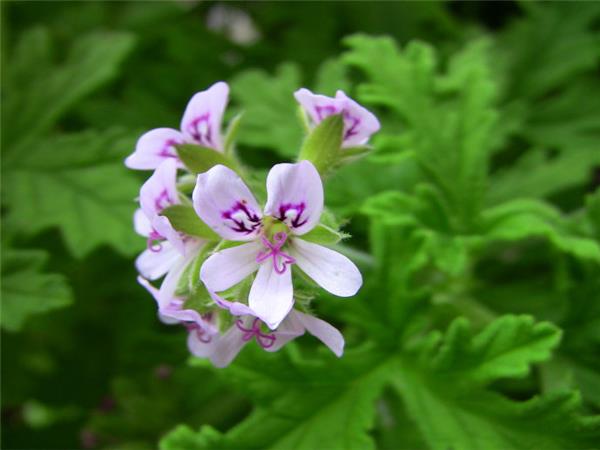
Soil: For ground planting, choose a sandy loam rich in humus. For pot cultivation, use a mixed substrate made from leaf mold, coarse sand and garden soil, in a volume ratio of 1:1.5:1.5. It is best to also mix in a small amount of bone meal, which can be controlled at about 0.3% of the total volume of the growing substrate.
Water and fertilizer: Generally, water once a week, and during the vigorous growth stage, ensure an adequate water supply. It has a relatively high demand for fertilizer. In addition to applying a base fertilizer at planting time, topdressing can be applied once every half month during the vigorous growth stage. In high-temperature seasons, scented geranium leaves easily turn yellow and fall off, growth stagnates, and the plant enters a semi-dormant state. Watering should be reduced, and it is best to water in the early morning. In winter, if a few leaves turn yellow, stop fertilizing.
Light: Scented geranium prefers an environment with ample sunlight, which makes the plant's fragrance stronger. The plant should receive no less than 4 hours of direct sunlight every day.
Temperature: It likes warmth and fears severe cold. It grows well within a temperature range of 22-30°C and can tolerate a low temperature of 0°C.
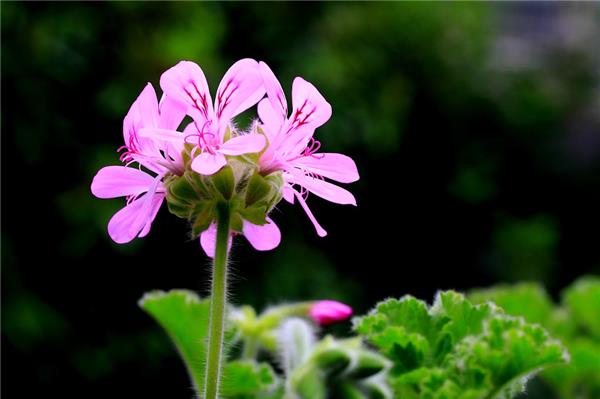
The whole scented geranium plant has a relatively strong fragrance, so it is deeply loved by growers. Used to decorate courtyards or as a potted ornamental, its effect of scenting the environment is very obvious.