Ranking of Indoor Plants with Strong Air-Purifying Ability
Almost all indoor ornamental plants have an air-purifying effect. The word "green" in green plants reflects not only the color of the plants, but also this air-purifying effect. However, which plants are relatively more effective at purifying indoor air and are suitable for newly renovated homes? There is a ranking for this too.
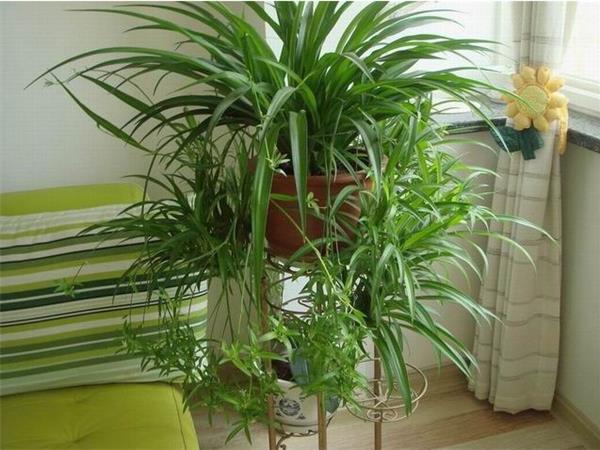
No. 1 Spider Plant:
Spider plant can carry out photosynthesis and produce oxygen even in weak light, and its ability to absorb toxic gases is also very strong. One pot of spider plant in a room of 8 to 10 sq m is equivalent to an air purifier, because spider plant can absorb 95% of the carbon monoxide and 85% of the formaldehyde in the air. It can also break down benzene and absorb relatively stable harmful substances such as styrene and nicotine in cigarette smoke.
No. 2 Snake Plant:
Snake plant includes large-leaved foliage plants such as cast-iron plant (Aspidistra elatior). It is a natural scavenger.
One pot of snake plant can absorb more than 80% of various harmful gases in a room of about 10 sq m, and two pots of snake plant can basically completely purify the air in an ordinary home. Snake plant can also release a large amount of oxygen during the day.
No. 3 Aloe:
As an air purification expert, one pot of aloe can be equivalent to nine biological air cleaners.
This one pot of aloe can absorb harmful gases in the air such as carbon dioxide, sulfur dioxide, formaldehyde and carbon monoxide, and its ability to absorb the harmful gas formaldehyde in particular is especially strong.
Under 24-hour lighting, one pot of aloe can eliminate 90% of the formaldehyde contained in 1 cubic meter of air. It can also kill harmful microorganisms in the air and adsorb dust, playing a great role in purifying the home environment.
In addition, it is also an indicator of air quality: when the concentration of harmful substances in indoor air is too high, spots will appear on the leaves of aloe. This is a distress signal, reminding us to add a few more pots of aloe indoors to strengthen efforts to improve indoor air quality.
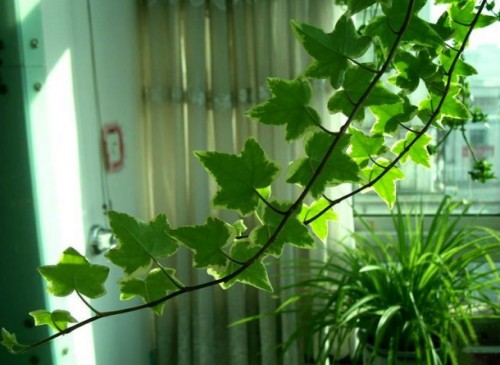
No. 4 Ivy:
One pot of ivy can eliminate 90% of the benzene in a room of 8 to 10 sq m, can deal with bacteria and other harmful substances brought in from outdoors, and can even absorb dust that is difficult for even a vacuum cleaner to reach.
No. 5 Agave:
In a room of about 10 sq m, it can eliminate 70% of benzene, 50% of formaldehyde and 24% of trichloroethylene.
No. 6 Chinese Rose:
It can absorb gases such as hydrogen sulfide, hydrogen fluoride, benzene, ethylphenol and ether; it also has considerable resistance to sulfur dioxide and nitrogen dioxide.
Some other plants that can purify the air also include:
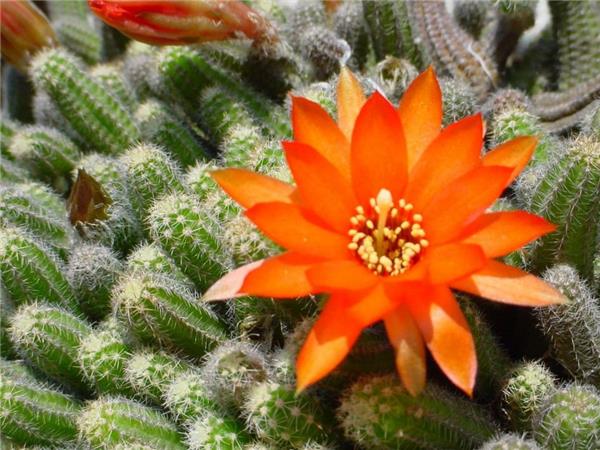
Cactus: Its characteristic is that it closes its stomata during the day to prevent water evaporation. At night it opens its stomata, absorbs carbon dioxide and releases oxygen. If two or three pots of cactus are placed indoors, they can increase negative ions in the air, which is greatly beneficial to sleep and health.
Aglaonema: It is famous for its unique air-purifying ability: the higher the concentration of pollutants in the air, the more it can exert its purifying ability! Therefore, it is very suitable for dark rooms with poor ventilation.
Clivia: Clivia can also carry out photosynthesis in extremely weak light, and the carbon dioxide released by its respiration at night is almost negligible. One adult clivia can absorb 1 liter of air and release 80% oxygen in a day and night. In a room of more than ten sq m, two or three pots of clivia can absorb the smoke in the room.
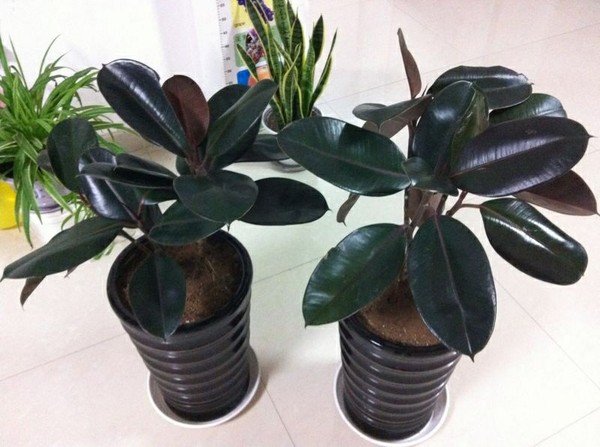
Rubber Tree: Rubber tree is a versatile plant for eliminating harmful air, and it has a certain ability to absorb harmful gases in the air such as carbon monoxide, carbon dioxide and hydrogen fluoride. In addition, it can also eliminate inhalable particulate pollution and has an effective dust-retaining effect on indoor dust.
These are the common indoor plants that can purify the air. Is there any among them that everyone particularly likes? If there is one you like but have not yet grown, take this opportunity to grow a pot.