How to grow Verbena? A detailed guide to Verbena cultivation methods
Verbena is an annual herbaceous flower with graceful form, rich flower colors and brilliant hues; when in full bloom it looks like a sea of flowers, making people linger and not want to leave. Verbena plants are low and dense, with abundant flowers and bright colors. The flowering portion is corymbose, and the flower colors include white, red, blue, snow blue, pink, etc. The flowering period is from May to November. It is very robust and can be used as flowerbed and flower border material, and is suitable for potted ornamental display or for arranging flower platforms and flower borders. It can also be grown as pot flowers in large areas in garden gaps and tree beds. Common cultivated species in the same genus include Canadian verbena, red-leaf verbena, fine-leaf verbena, etc. The whole plant can be used as medicine and has the effect of clearing heat and cooling blood.
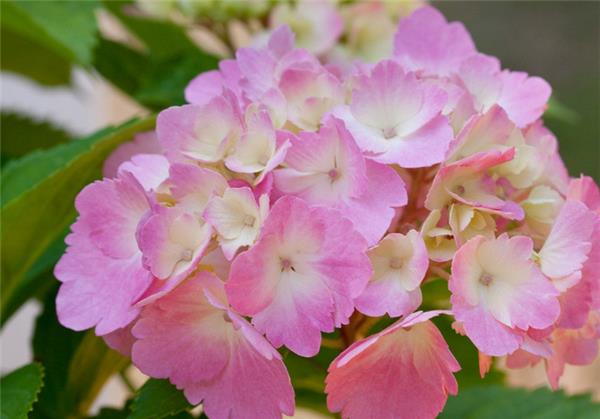
I. Verbena cultivation methods
1. Fertilizing: During the growing period, apply fertilizer once every half month. During the seedling stage, fertilization should be mainly nitrogen to promote lush growth of branches and leaves; during the flowering period, more phosphorus and potassium fertilizer should be applied to promote abundant and continuous blooming. Avoid applying nitrogen fertilizer alone, otherwise branches and leaves will grow vigorously but the number of flowers will decrease. Stop fertilizing in winter.
2. Pruning: When the seedlings are 10-12 cm tall, pinching should be carried out to promote branching. Some varieties have strong branching ability and do not need pinching. If the branches grow too long, they can be appropriately cut back to control plant shape.
3. Potting and repotting: For planting, flower pots with a diameter of 15-20 cm can be selected, and 3-5 plants per pot. When grown as a perennial, the pot should be repotted once every spring. It prefers fertile, loose and well-drained sandy soil. The growing medium can be prepared from materials such as leaf mold, peat soil, garden soil, river sand or rice husk ash.
4. Pest and disease control: During high temperature and dry conditions in summer, red spider mite damage is likely to occur. Other pests and diseases include powdery mildew, downy mildew, aphids, whiteflies, etc.
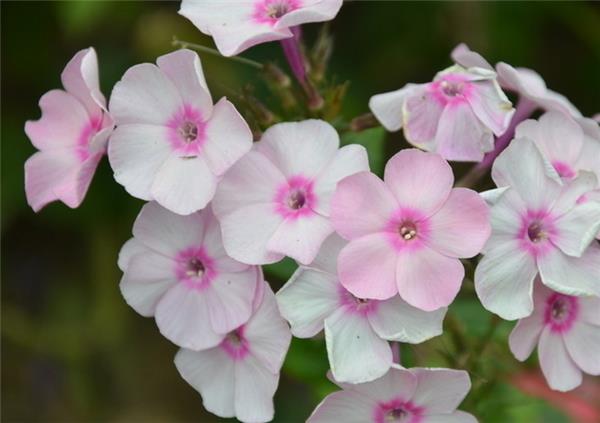
II. Verbena potting techniques
1. Pot soil selection. For the potting medium, choose loose, fertile culture soil with good drainage. Before planting, apply decomposed organic fertilizer and some superphosphate at the bottom of the pot as base fertilizer.
2. Watering and fertilizing. Because verbena likes fertilizer and moisture, in addition to base fertilizer, dilute liquid fertilizer should be applied once a month during the growing period. The pot soil should be kept moist, but watering should not be too frequent, otherwise it will cause excessive growth or withering of the basal leaves, affecting bud formation and flowering. In winter, the pot soil should preferably be on the drier side.
3. Pinching and pruning. When the seedlings grow to 10 cm tall, they need to be pinched to promote the sprouting of side branches and keep the plant compact. At the same time, in order to keep blooming continuously, spent flowers should be cut off promptly after each flowering, and water and fertilizer management should be strengthened so as to produce new branches and flowers again.
4. Light and renewal. Verbena is a light-loving plant and should be grown in a sunny place during the growing period. Before Frost's Descent, it should be moved indoors to a sunny place. The mother plant is prone to aging and needs to be renewed once every 2 years.
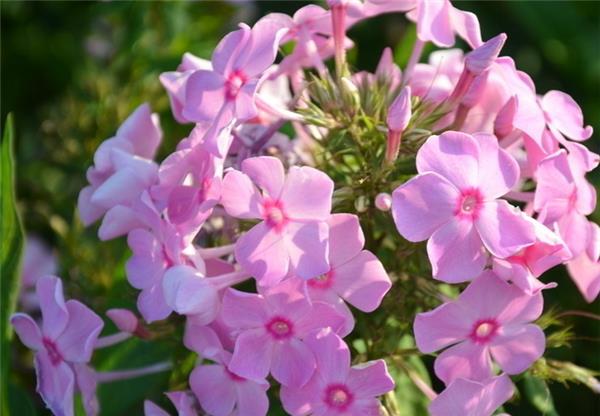
III. Verbena care
If verbena is used for flowerbed cultivation, it should be planted early, and spent flowers should be cut off promptly after flowering, which can extend the flowering period. Proper fertilization, watering, and timely hoeing and weeding are needed, and drainage should be done promptly during the rainy season. When cultivating verbena, choose loose, fertile and well-drained soil. Because verbena's root system is relatively shallow, attention should be paid to watering in summer to prevent drought, and thin fertilizer should be applied once every half month.
During the care period, water should not be too much, but it should not be too little either. Too much water will cause thin and weak stems and branches with excessive growth and very few flowers; if fertilizer and water are lacking, the plant will grow and develop poorly and tend to set seed early. Vigorous plants have stronger resistance to pests and diseases, and pests and diseases rarely occur.
The planted seedlings should not be too large, so as to avoid side branches growing sideways and leaves falling off. The spacing between verbena plants is generally about 40 cm. Pinch early to promote secondary branches. After flowering, cut off the flower heads, water frequently in summer, and apply liquid fertilizer 1-2 times at the same time. In the Jiangnan region, overwintering flowering plants only need to keep the underground part in the soil to overwinter, and the following year new branches can be used for cuttings or division propagation. For seed collection, harvest the plant clump once, dry it in the sun and thresh the seeds.
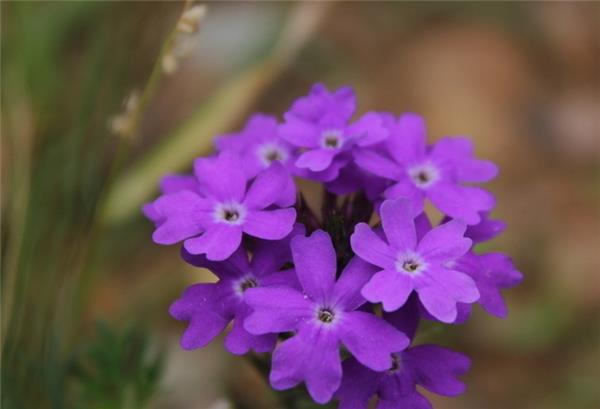
Verbena has many flower colors and is especially brilliant when in bloom, with a particularly good decorative effect. Those who like verbena can place a few potted verbenas at home, and I believe they can make the home fresh and comfortable.