How to grow a croton? A detailed guide to croton cultivation methods
The croton is an evergreen plant that stays green all year round and was originally a popular potted ornamental plant. However, it is unclear when the claim that "croton can cause cancer in humans" began to circulate, and this has somewhat lowered the croton's status in the potted plant world. But in fact, as long as you pay a little attention during normal cultivation and do not let children or the elderly accidentally eat the croton's branches and leaves, the croton is not greatly harmful to the human body. Today let's look at how to grow a croton.
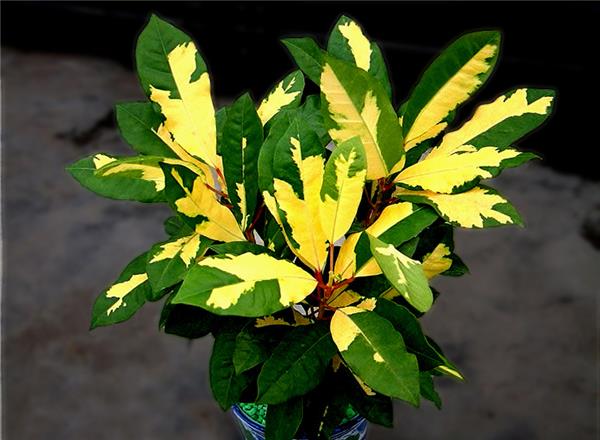
I. Feng shui applications of croton in the home
Like most broadleaf wood-element plants, the croton is actually suitable for placement in open, spacious areas, and can generally be placed in the living room. However, because the croton's branches and leaves contain a certain toxin, accidental ingestion can cause symptoms of diarrhea and stomach pain, so most people prefer to grow croton outdoors; for example, on a balcony or in a garden it can play a better decorative role.
The croton's leaves come in many different colors and can serve a very good decorative purpose. At the same time, its leaves belong to the broadleaf category. In feng shui terms, broadleaf plants have four major functions: storing water, blocking wind, dissolving negative energy, and increasing prosperity and good fortune. So growing croton on a balcony or in a garden can both attract wealth and serve as a very good decoration.
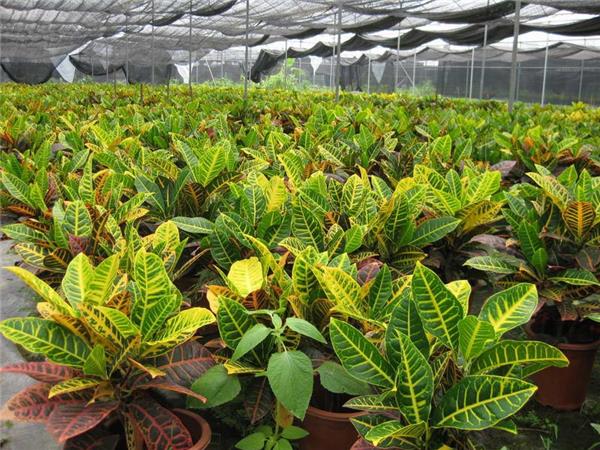
II. Croton cultivation methods
1. Soil: Croton prefers fertile, moist, well-drained soil. For potting, you can use 3 parts garden soil, 1 part compost, and 1 part river sand, or mix 3 parts coarse peat, 3 parts leaf mold, and 2 parts sand as the growing medium.
2. Sunlight: Croton has a fairly wide tolerance for light, but sufficient sunlight helps promote good growth and achieve higher ornamental value. Therefore, apart from needing appropriate shading under strong summer light, the leaf color becomes more beautiful under open-air light conditions in spring, summer, and autumn. Croton is not very shade-tolerant and is generally best placed indoors in a spot with strong indirect light, and for no longer than 2-3 weeks. If it lacks light for a long time or the light is insufficient, the leaf color will lose its luster and it will easily drop leaves.
3. Watering: Croton relatively likes water. In spring and summer, water frequently to keep the croton moist, but do not water too much, to avoid waterlogging. In summer, you can use a spray bottle to water the surface of the croton to maintain its humidity.
4. Temperature: Croton likes heat and fears cold. The safe indoor wintering temperature in winter is 10-15°C; below 10°C it easily develops leaf drop, and water-soaked patches or discoloration may also appear on the branches. In summer it can adapt to high temperatures above 30°C.
5. Fertilizing: Croton likes fertilizer. You can apply a liquid fertilizer once every 1-2 weeks. Note that fertilizer should not be applied too much or too little, and fertilization can be reduced in winter.
6. Pest and disease control: If the growing environment is hot and dry, croton is prone to damage from scale insects, red spider mites, and aphids. For red spider mites and aphids, spray with a 1000-fold dimethoate solution; for scale insects, spray with a 100-150-fold petroleum emulsion; if sooty mold occurs, wipe clean with water or spray with a 500-1000-fold carbendazim solution.
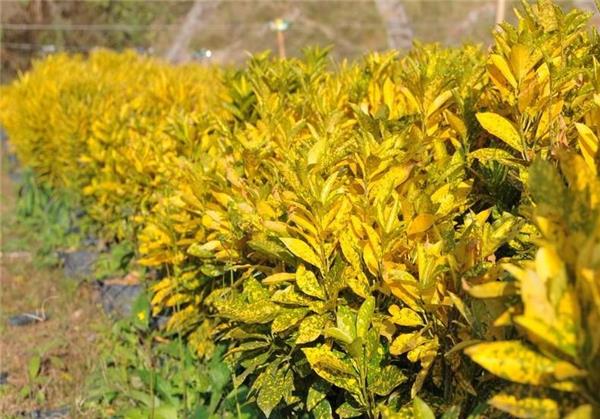
III. Precautions for growing croton
1. Repot croton and change the soil once every two years. During the high-temperature fast-growth period, apply a dilute nitrogen solution once every half month. In winter, place it indoors in a moist, ventilated spot. After the late frost has passed the following year, move it to a semi-shaded spot outdoors; when the rainy season comes, move it to a spot with sufficient light.
2. Although croton has high ornamental value, if its sap is accidentally ingested by humans or livestock, symptoms of poisoning will appear; long-term contact with its sap may induce nasopharyngeal cancer.
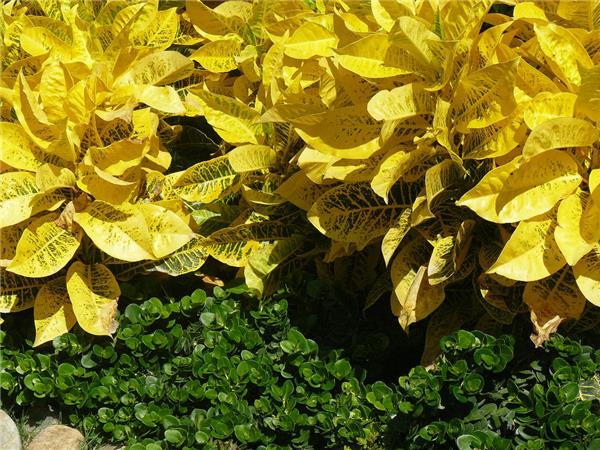
There are many varieties of croton. Common ones that can be kept at home include long-leaf croton, broadleaf croton, fine-leaf croton, and horn-leaf croton. You can choose according to your own preferences and how well they match your home.