How to Grow Pothos and Spider Plant? A Full Guide to Soil Culture Techniques
Pothos and spider plant are plants that can absorb carbon monoxide and harmful substances, release oxygen to purify the air, and green and beautify the indoor environment. Pothos and spider plant also have medicinal effects and can be used for bruises and injuries, and are often called environmental guardians. Because of these various characteristics, many people like to grow them at home. Below, let us take a look together at how to grow pothos and spider plant and the techniques for growing them in soil.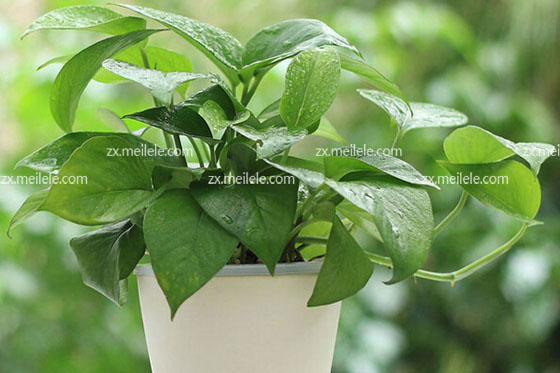
Introduction to Pothos and Spider Plant
Pothos and spider plant are also known as devil's ivy and stone citrus, and are a large green climbing vine plant. Pothos and spider plant often grow on rocks and tree trunks, can reach up to 20 m in length, have aerial roots at the nodes, and alternate, entire, nearly heart-shaped leaves. The place of origin of pothos and spider plant is the Solomon Islands in Oceania, and they are often used for indoor potted ornamental display, with the meaning of watching over happiness. Pothos and spider plant are also among the very excellent indoor decorative plants currently on the market.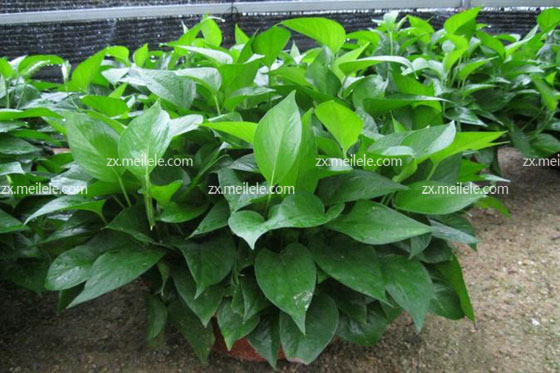
How to Grow Pothos and Spider Plant: Propagation Methods
Pothos and spider plant are mostly propagated by cuttings and layering. Cutting propagation is generally carried out in spring and early summer. Cut 15-30 cm branches from healthy plants, then plant them in potting soil and water thoroughly. Layering propagation is done by pressing down the stems of pothos and spider plant with a heavy object. Once its aerial roots enter the soil, they can take root. When new leaves grow, it can be separated from the mother plant and planted into another pot of soil.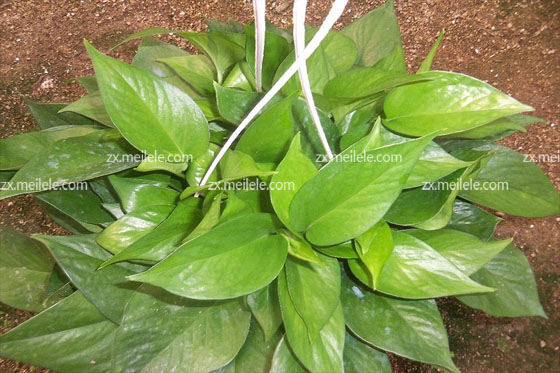
How to Grow Pothos and Spider Plant: Light and Temperature
Pothos and spider plant are not very strongly phototropic. When growing them, they need to be placed in a spot indoors with relatively good light. At noon, pothos and spider plant can be placed under the sun for a while. When growing them in winter, pothos and spider plant need temperatures above 10°C to overwinter safely, and generally temperatures above 20°C are needed for normal growth. Therefore, the general home environment is relatively suitable for their growth.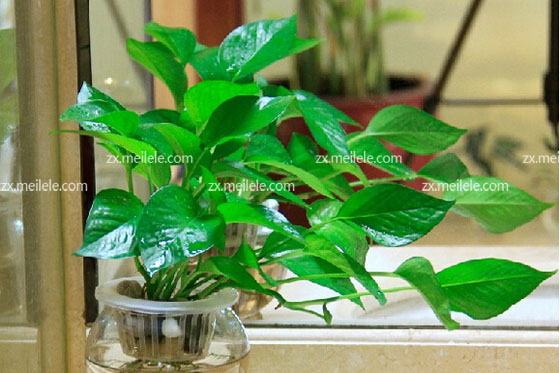
How to Grow Pothos and Spider Plant: Watering and Fertilizing
When watering pothos and spider plant, do not water too much. You can spray water at the rooting area, which can reduce the speed of water evaporation. Watering every day to keep the potting soil moist is enough. In winter, the amount of watering should be controlled according to the indoor temperature. When fertilizing pothos and spider plant, nitrogen fertilizer should be the main type and potassium fertilizer supplementary. Spring is the growing season for pothos and spider plant, so apply a 0.3% solution of ammonium sulfate or urea once every ten days, and use a 0.5%-1% urea solution for one foliar feeding, because this can meet its growth needs and also keep the leaves green and glossy. In winter, fertilizing should be stopped.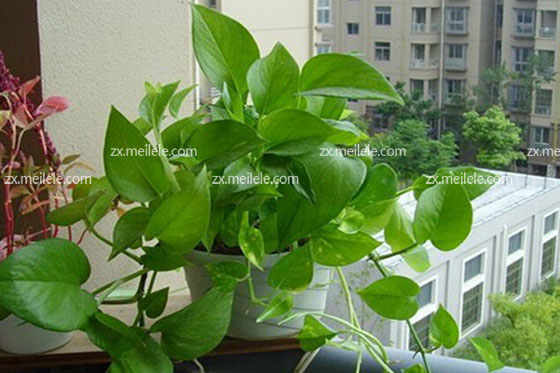
How to Grow Pothos and Spider Plant: Shaping and Pruning
When pruning and shaping potted pothos and spider plant, it should be done in spring. When its stems and vines have climbed all over the moss pole and the tips extend about 20 cm beyond the moss pole, cut off about 40 cm of the stem tips of 2-3 of the plants. After new buds and new leaves sprout following the shortening, then cut off the remaining stem tips. If pothos and spider plant suffer frost damage in winter or for other reasons lose all or the lower half of their leaves, the stems of half the plant can be shortened by 1/2, and the other half of the stems shortened by 2/3 or 3/4, so that the cut openings are staggered in height. In this way, the new leaves growing below the cuts can quickly cover the moss pole.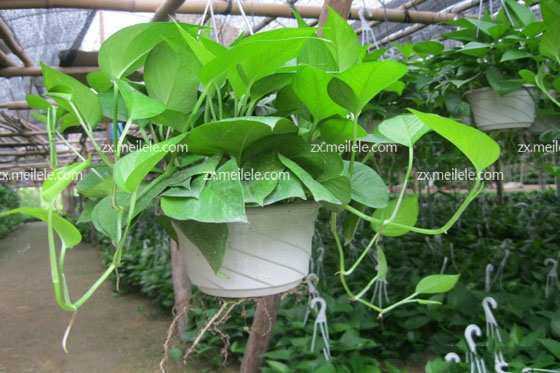
Soil Culture Techniques for Pothos and Spider Plant
1. For soil culture, pothos and spider plant are best grown in loose, organic-rich, slightly acidic and neutral sandy loam soil. Repotting should be done once every three years.
2. Because pothos and spider plant are shade plants and avoid direct sunlight, they should receive more than four hours of diffused light every day, which is beneficial to their growth.
3. Pothos and spider plant relatively prefer a growing environment with high air humidity and moisture. In summer, which is their peak growth period, spray the aerial roots and leaf surfaces of pothos and spider plant several times a day. This can clean dust from the leaves, help pothos breathe, keep the leaf color emerald green and fresh, and also lower the leaf surface temperature.
4. In winter, pothos and spider plant are in a dormant period. At this time, stop fertilizing and water less.
5. The best growing temperature for pothos and spider plant is 15-28°C. In winter, the temperature must not be lower than 10°C. If the temperature is lower than 5°C, it is easy to cause leaf drop and affect growth.
Summary: The above is what we have brought to you about how pothos and spider plant are and the content on soil culture techniques for pothos and spider plant. After reading our introduction, I believe everyone has a relatively good understanding. Pothos and spider plant are a very good natural purifier. They can purify benzene, trichloroethylene and formaldehyde in the air, and can also open the stomata on the leaves, absorbing 70% of harmful gases, keeping indoor air clean.