How to Grow Avocados and Whether Pregnant Women Can Eat Them
The routine care of avocados mainly comes down to a few basic tasks: watering, fertilizing and pruning, with pruning being especially important.
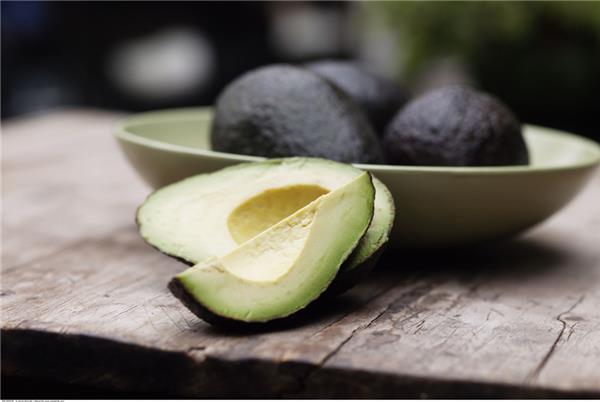
Notes on Growing Avocados
Watering: The avocado is evergreen year-round and needs the soil around its roots to stay moist all year long. It is very sensitive to soil drought. Once it lacks water, its physiological functions are impaired and the soil begins to crack slightly, so it should be irrigated promptly. When rainfall remains below transpiration and evaporation for a long time, supplemental irrigation is also needed. But watering must be just right: it should be sufficient yet never excessive. Generally, moistening the soil through is appropriate; if the soil is too wet, root rot will worsen.
Fertilizing: The roots of young trees are easily damaged by nitrogen fertilizer, and applying too much nitrogen fertilizer easily makes the branches and leaves grow excessively, delaying fruiting, so attention should be paid to nitrogen application. Abroad, each tree is given 110-450 g of pure nitrogen per year, increasing year by year as the tree ages, with half of it supplied as organic fertilizer. In the first year after planting, apply small amounts frequently. In areas with frost, nitrogen fertilizer should be stopped in autumn and winter, and more phosphorus and potassium fertilizer should be applied to avoid cold damage to winter shoots. Superphosphate is applied at 900 g per tree per year. Potassium sulfate is applied at 1.8-2.2 kg per tree per year.
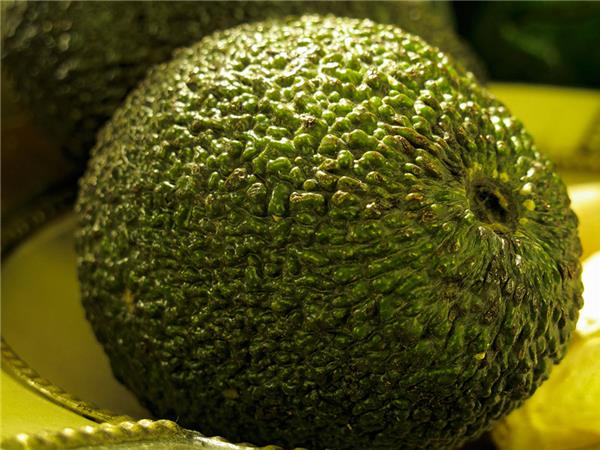
Pruning: Avocado branches are lush, so necessary pruning is needed regularly so that sunlight can reach the lower branches. When doing this kind of pruning, make sure you do not create too many open gaps in the tree. This will expose the main branches to direct sunlight, which will damage them. If pruning the avocado tree creates such open gaps, apply a light-colored paint to the branches exposed to sunlight. This can help the branches reflect sunlight and heat and avoid damage. If the avocado tree suffers frost damage, you should wait until early spring before pruning. In spring, new growth begins to appear. Those branches that look dead may not actually be dead, so when pruning in spring you can judge which branches should be cut. Many people make the mistake of cutting off the terminal branches when pruning avocado trees. However, the ends of these branches can bear fruit. If you cut them off when pruning the avocado tree, then when the avocado tree matures again, many fruits will not form.
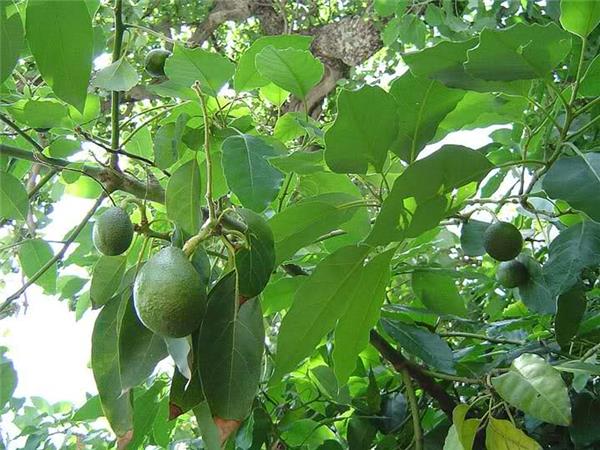
Can Pregnant Women Eat Avocados?
The avocado is a fruit with very high nutritional value, containing a variety of vitamins and rich fats and protein, and it is also high in sodium, potassium, magnesium and calcium. The kernel contains 8%-29% oil and is rich in beneficial fats. The oil is a non-drying oil, non-irritating, low in acidity, and can be stored for a long time after emulsification.
However, because the avocado counts as a cooling food, if a pregnant woman eats too much of these cooling foods during pregnancy, especially in the early stages, it will pose a great threat to the fetus. In daily diet, one should pay even more attention to eating healthily. The avocado is yin in nature and also moistens the lungs, so it can be eaten a little, but it must be eaten only in small amounts. Very cooling things will have a certain effect on the fetus, though it is not that frightening. Eating a little gives the child the benefit of vitamins. The "very cooling" mentioned here refers to a cooling nature, not temperature. Therefore, for the health of the fetus in the womb, pregnant women had better eat less.
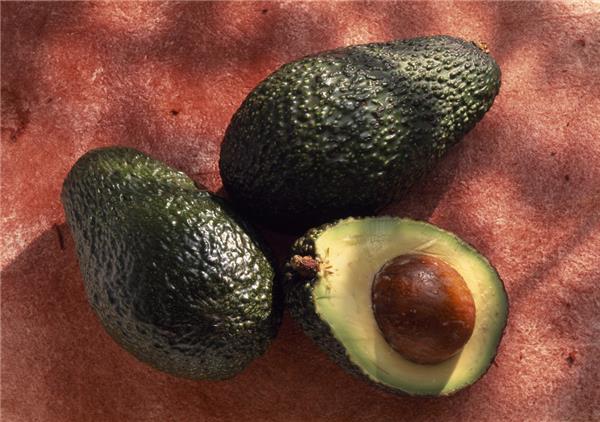
Here we should remind everyone again that the avocado is a cooling fruit. Besides pregnant women, people with a cold constitution should also eat as little as possible to avoid triggering symptoms such as diarrhea.