What Are the Uses of Olive Oil? A Detailed Guide to Fertilizing Olive Trees
Olive oil has a great many benefits, such as promoting blood circulation, improving the digestive system, and beautifying the skin, but many people worry that cooking with olive oil will produce harmful substances. So does this actually happen? Let's take a look.
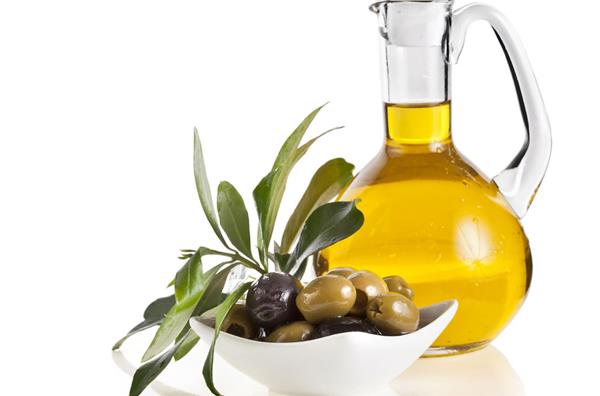
I. The Benefits and Effects of Olive Oil
1. Promoting blood circulation
Olive oil can help prevent arteriosclerosis and its complications, high blood pressure, heart disease, heart failure, kidney failure, and cerebral hemorrhage.
2. Improving digestive system function
Olive oil contains more unsaturated fatty acids than any other vegetable oil, along with rich amounts of fat-soluble vitamins such as vitamins A, D, E, F, and K and carotene, plus antioxidants and many other components, and it contains no cholesterol, so the human body absorbs it extremely efficiently. It helps reduce stomach acid and prevents gastritis and duodenal ulcers; it can also stimulate bile secretion, activate pancreatic enzymes, break down fats, and allow them to be absorbed by the intestinal mucosa, thereby reducing the occurrence of cholecystitis and gallstones. It also has a laxative effect, and long-term consumption can effectively relieve constipation.
3. Protecting the skin
Olive oil is rich in squalene, which has excellent affinity with the skin, and in essential fatty acids, and it is absorbed quickly, effectively maintaining the skin's elasticity and moisture. The abundant monounsaturated fatty acids and vitamins E, K, A, and D, as well as phenolic antioxidants, contained in olive oil can eliminate facial wrinkles, prevent skin aging, and have benefits for skin and hair care and for preventing chapping of the hands and feet. It is a beauty and skin-care product you can "eat." In addition, applying olive oil to the skin can fight ultraviolet rays and prevent skin cancer.
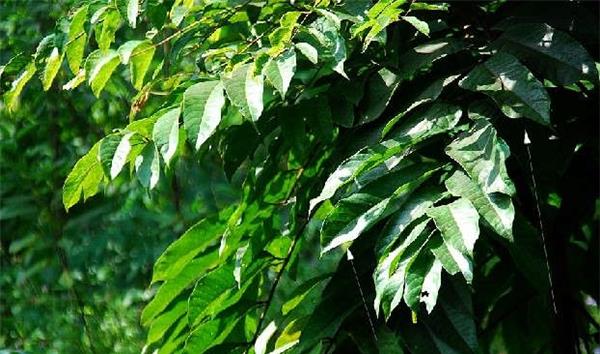
II. Is Olive Oil Suitable for Stir-Frying?
The objection to using olive oil for high-heat stir-frying centers mainly on its boiling point. Among vegetable oils, olive oil has the lowest boiling point, followed by rapeseed oil. If the boiling point is too low, high-temperature deep-frying may exceed it and cause smoking, which would produce harmful substances. But in Italy, Spain, and Greece, people use only olive oil and often deep-fry with it, and no one seems to get sick from eating it. This is because refined olive oil has a much higher boiling point.
Another concern is that if this low-boiling-point oil is overheated, it will form trans fatty acids. This is possible, but only with prolonged high-temperature heating and repeated use. If it is not reused, it takes several hours of high-temperature heating to form trans fatty acids, so this will not happen when you cook at home.
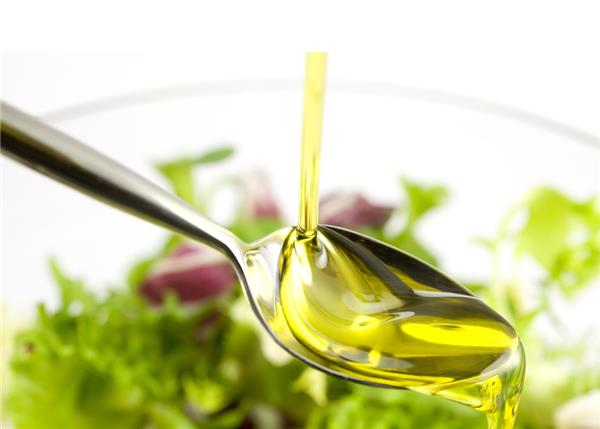
To improve the quality of the olive oil extracted from olive trees, fertilizing is a crucial step. Next, let's look at how to fertilize olive trees.
III. How to Fertilize Olive Trees
1. Trench fertilization
The trench fertilization method is used for base fertilizer. Dig a ring-shaped trench or symmetrical trenches outside the canopy projection, with a depth of 40-60 cm and a width of 30-40 cm. Apply the fertilizer into the trench, mix it with the soil, and then cover it with dug soil. At present this fertilization method is rarely used in Italy because it is time-consuming and labor-intensive. However, olive trees planted in scattered small numbers and around homes are still fertilized by trenching.
2. Broadcast fertilization
Broadcast fertilization means spreading fertilizer evenly over the soil surface around the canopy, then plowing and harrowing it into the soil with a tractor. The plowing and harrowing depth is 5-10 cm. Broadcast fertilization is also combined with intertillage and turning under green manure.
3. Drip irrigation fertilization
This is a newly promoted fertilization method. When fertilizing, dissolve the fertilizer and put it into the fertilizer tank of the drip irrigation system, and the fertilizer is delivered into the soil layer at the olive tree roots along with the drip irrigation lines. Professor Fontanazza pointed out that no matter which fertilization method is used, phosphorus and potassium fertilizers should be applied in winter. The depth of application into the soil should preferably be 25-30 cm. 45% of the nitrogen fertilizer should be applied in spring before bud break. For olive trees that have entered full production, 2/3 of the nitrogen fertilizer should be applied before bud break, and 1/3 during the pit-hardening stage.
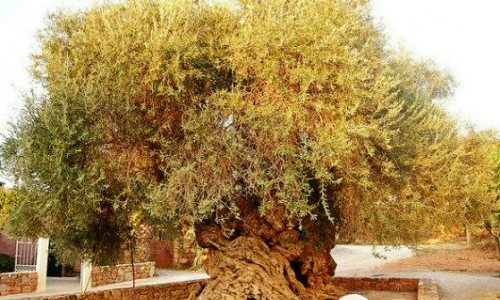
It seems that as long as it is used properly, olive oil will not produce harmful substances. Generally speaking, it is repeatedly used and heated cooking oil that produces harmful substances, and this will not happen when stir-frying at home, so everyone can eat it with peace of mind.