Olive Cultivation Methods and Legendary Stories Explained in Detail
The olive is what we normally call the olive tree. This plant, a symbol of peace, appeared as early as in Greek mythology, and growing it is fairly simple too.
I. Growth Habits of the Olive
There are as many as 500 cultivated varieties of the olive, of which about 140 are widely grown. They can be broadly divided into five major categories: oil cultivars, table cultivars, dual-purpose oil and table cultivars, pollinizer cultivars, and rootstock cultivars. Normally, a two-year-old sapling planted out will trial-flower and trial-fruit after three years, and begins to enter full fruiting at six years. Under normal management, the full fruiting period of an olive tree can last more than a hundred years. Some varieties of olive tree have relatively strong cold resistance; for example, a short period of low temperature of -8 to -10°C will not cause damage to the tree, but it cannot last long. Once frozen, it thaws very slowly and cannot quickly enter the growth period, resulting in freeze injury. A temperature close to zero lasting at least several dozen hours is beneficial to its flower bud differentiation, thus laying the foundation for a bumper harvest.
The olive has no special requirements for the soil in which it grows; as long as the pH is between 6.5 and 8.0 and the soil is loose and breathable, it can grow whether in siliceous soil or calcareous soil. But research shows that the best olive oil comes from the fruit of olive trees grown in calcium-rich, fertile soil. Strong winds and heavy rain during the flowering and fruit-setting periods will damage olive trees and directly affect the yield of that year. The pests and diseases of the olive are not difficult to control. As long as you stick to prevention first and treat problems early, they will not cause major harm.
II. Pruning Methods for the Olive
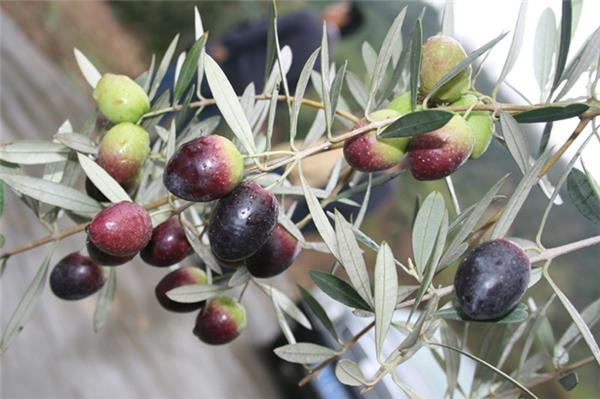
Thinning: Cutting a branch off from its base is called thinning, or removal. This is the most commonly used pruning method for olive trees. Dense, clustered branches are a major characteristic of the olive. To concentrate nutrients in certain branches or buds, and to retain the flower buds on branches so as to promote fruiting, part of the many clustered branches must be thinned out. If they are densely arranged opposite branches, you can cut one branch out of every two. If you find the branches are still dense, you can cut one out of every two again at the next pruning.
Heading back: This is also a commonly used method in olive pruning. So-called heading back means selecting and keeping the vigorous outer bud of a longer branch, cutting the outward-growing branch short to encourage it to send out new shoots, strengthening the growth of the branches, and causing them to differentiate into fruiting branches. Note that vegetative branches must not be headed back too severely, to avoid excessive shoot growth that wastes nutrients and affects flower bud formation. When pruning large branches, if thinning and heading back need to be used together, then thinning should be done first and heading back afterward; this way it is easier to grasp the overall picture of branch density and spacing.
III. Legendary Stories of the Olive
The olive is an oil-producing tree species, hailed as the "queen of vegetable oils," and is said to have originated first in Greece.
According to Greek mythology, Athens was the domain of the goddess Athena. Once, God wanted to give Athena a special gift, and after careful selection finally chose the olive branch and bestowed it on Athena. At that time, the sea god Poseidon had always wanted to take the city of Athens for himself and had seized ownership of Athens through a scheme. Helpless, Athena had no choice but to bring out God's gift, the olive branch. And so the first olive sprouted from the earth, and Athena thereby gained the city of Athens and, as the goddess of wisdom, put on a laurel wreath woven from olive branches.
From then on, the olive branch became an important and respected tree species in the life of the people of Athens. People used it to congratulate the birth of a baby, used olive oil and wreaths of olive branches as prizes for victory in youth competitions, and the elderly and elders wore olive branches when taking part in competitions; the functions of the olive tree permeated Athens.
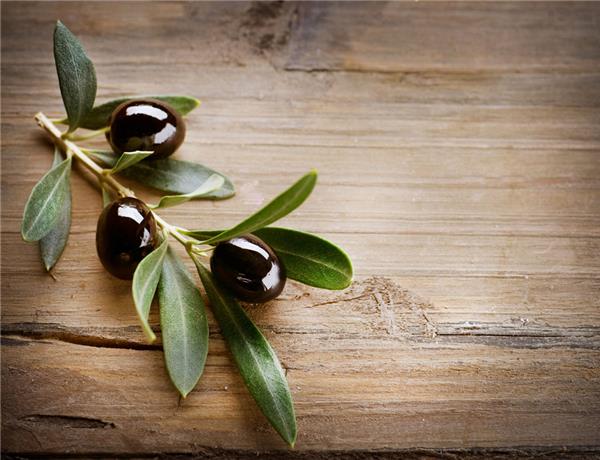
The olive tree can be grown in your own courtyard. If you are interested in growing olives, you can give it a try; not only are its fruit edible and its oil of many uses, but it also has very high ornamental value.