Olive Tree Cultivation Notes and Pest and Disease Control Methods
Growing an olive tree, when the fruiting season comes, picking plump, crisp, slightly sweet and refreshing olives one by one, whether making them into snacks, drying them for medicinal use, or stir-frying them with other ingredients, is undoubtedly a joy. So what should you pay attention to when growing an olive tree?
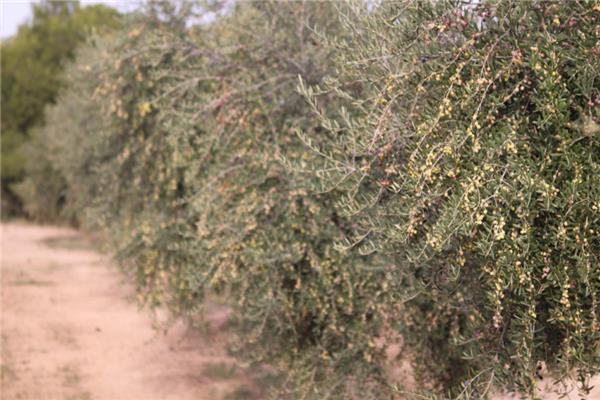
Olive Tree Cultivation Notes
Habits: The olive tree is very robust, cold-resistant, drought-resistant, disease-resistant and fire-resistant, and can grow for a very long time. Its root system is very strong, and even if the above-ground structure is destroyed, it still has the ability to regenerate. Olive trees grow well in the hot, dry summers and cool, wet winters of the Mediterranean climate. Coastal climate conditions are the best.
Temperature: Although olive trees like heat, in winter they can also withstand minus 6-7 degrees Celsius (21-23 degrees Fahrenheit).
Soil: They clearly prefer calcareous soil and can thrive on limestone hillsides and cliffs. They can grow in any slightly acidic soil, even well-drained red soil. But in fertile soil, they are more prone to disease. The maximum depth of soil around the plant should be 20 cm to avoid damaging the surface roots. This method allows fertilizer to mix with the soil, enables the soil to effectively absorb rainwater, and keeps moisture for as long as possible.
Humidity: Due to their thick and extensive root system, they can endure long periods of drought in summer. They grow better in areas with annual rainfall of 14-16 inches, or dry summers at around 40 degrees Celsius (104 degrees Fahrenheit).
Fertilizer and water: Mainly nitrogen fertilizer, appropriately combined with other fertilizers, following the principle of frequent and light application, generally once every two months, or once before and after each flush of new shoots. The fertilization method is to dig a 20 cm deep ring trench or two crescent-shaped trenches under the drip line around the canopy, apply the fertilizer into the trenches; if it is liquid fertilizer, cover with soil after it dries, and if it is dry fertilizer, cover with soil immediately after application. In summer, during the early stage of fruit growth and when the pit hardens, water once every 2-3 weeks.
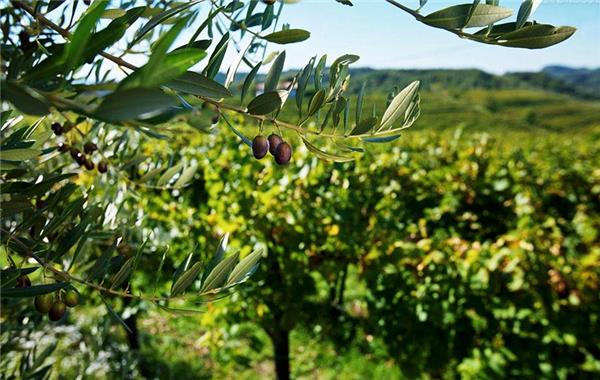
Olive Tree Disease Control
1. Psyllids:
Healthy and lush olive leaves become chlorotic and yellowed when damaged, and the leaf surface becomes uneven, distorted and deformed. The spring shoot and young fruit stage (April-June) and the autumn shoot stage (August-October) are the peak periods of damage.
Control method: Spray promptly when the two new flushes of shoots emerge in spring and autumn. The pesticides that can be used include: Wanling: 2000 times dilution; monocrotophos 1500 times dilution, or omethoate and isocarbophos each at 1000 times dilution, etc., for spraying and killing.
2. Scale insects:
After the leaves are damaged, pale yellow spots appear, and after the tender branches are damaged, growth is poor and they may even die.
Control method: Prune at the appropriate time to make the canopy ventilated and breathable. If pests are found, immediately choose the following pesticides for spraying and killing: Supracide emulsifiable concentrate 700 times dilution; omethoate and isocarbophos each at 1000 times dilution, etc.
3. Aphids:
This is also a major pest harming olive new shoots. Nymphs and adults gather on tender shoots and tender leaves to suck sap, causing new shoots to yellow and wilt, new leaves to curl, hindering growth, affecting tree vigor, and also inducing sooty mold. It occurs throughout the year, especially in dry seasons when the occurrence and damage are severe.
Control method: (1) Spray during the new shoot stage. When aphids are present, use 50% malathion 1000 times dilution, or 25% phosmet 1200 times dilution, or 80% dichlorvos 2000 times dilution, or pirimicarb 2000 times dilution, or botanical pesticides such as derris extract and nicotine. (2) Protect and utilize natural enemies. Ladybugs, lacewings, hoverflies and aphid wasps are important natural enemies of aphids. If there are many natural enemies in the orchard, spraying can be reduced or omitted to protect the natural enemies.
4. Sooty mold:
Sooty mold, also called smoky mold, is a fungal disease that occurs on branches, leaves and fruits. It initially appears as dark brown mold spots, then spreads outward into a black mold layer, appearing soot-like and easily detached.
Control method: (1) Control cottony cushion scale, psyllids and aphids well. (2) After clearing the orchard in winter, spray lime sulfur mixture at 0.8-1 degree Baume. (3) Prune appropriately to facilitate ventilation and light penetration. (4) Spray for protection. Commonly used fungicides include 1% Bordeaux mixture (copper sulfate and quicklime each 1 kg), 50% thiophanate-methyl 800 times dilution, and 50% carbendazim 800 times dilution.
That is all for the introduction on how to grow olive trees and how to control the pests and diseases that olive trees may suffer from. We hope that after reading the above introduction, you will gain more confidence in cultivating olive trees and be able to eat delicious and tasty olives in the harvest season.