Chicory: Benefits, Effects, and Cultivation Precautions Explained in Detail
Chicory is a plant that can be used both to green the environment and purify the air, and as a vegetable. Chicory itself is non-toxic, and chicory leaves can be eaten raw, so growing chicory at home is an excellent choice, healthy and eco-friendly.
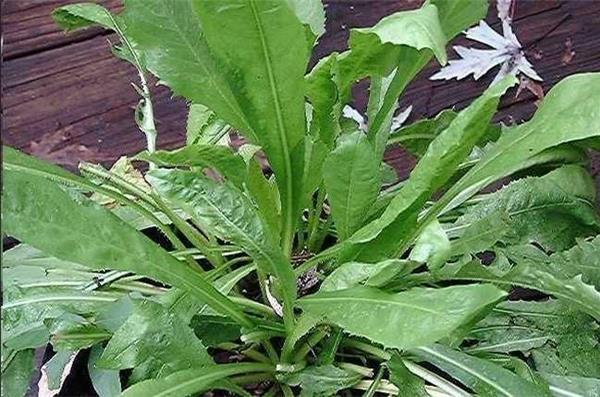
I. Chicory's Benefits and Effects
1. In Europe, chicory is called European chicory or French chicory, Belgian chicory, or heading chicory, and in Japan it is called "bitter cabbage."
2. Chicory is eaten as a vegetable for its tender leaves, leaf heads, and leaf buds. It is a variety domesticated and selected from wild chicory, native to the Mediterranean and central and northern Asia. Chicory contains some substances not found in ordinary vegetables, such as aesculetin, esculin, lactucin, lactucopicrin, and other bitter substances, which have the effect of clearing the liver and promoting bile flow.
3. During the leaf rosette stage, chicory's crude protein content is 22.87%, and at the early flowering stage the crude protein content is 14.73%, averaging 17%, with a crude protein yield of 250 kg per mu. At the early flowering stage it contains 2.1% crude fat and 30.6% crude fiber. It has the effects of clearing heat and detoxifying, promoting diuresis and reducing swelling, and strengthening the stomach.
4. Chicory contains many kinds of nutrients. It can not only regulate our endocrine disorders, but also improve gastrointestinal function, cleanse the intestines and relieve constipation, reduce internal heat and moisten dryness, and further enhance human immunity and other health benefits.
5. Chicory is rich in potassium, which can effectively increase the oxygen supply to the brain and regulate heart rhythm, among other things.
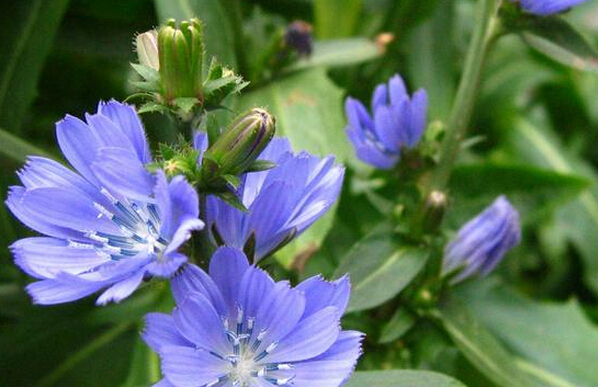
II. How to Eat Chicory
1. The roots, after roasting and grinding, are added to coffee as a flavoring additive or used as a coffee substitute; the roots can be eaten cooked with cream spread on them, and the leaves can be made into salad. It is sometimes used to color, thicken, and add bitterness to coffee (people in New Orleans often do this).
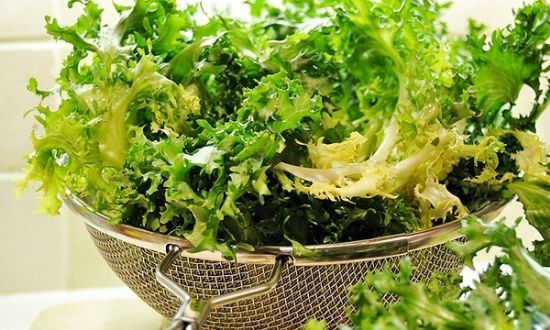
2. Chicory's tender leaves can be harvested and eaten, but the blanched chicory bud heads are mainly used for eating raw. After washing the large bud heads, peel off the leaf segments and dip whole leaves in sauce to make a fresh, appetizing cold dish. Small bud heads can be eaten whole. When washing, do not rinse with boiling hot water (after heating they turn brown, soften, and become bitter); they can be stir-fried or boiled. The outer leaves, if damaged, can be washed and quickly stir-fried over high heat, eaten as soon as cooked, and should not be left for long.
3. Whether used for quick stir-frying, made into salad, or used as a coffee ingredient, chicory is very useful. It is not only fragrant and rich in taste, but chicory's benefits and effects are also quite good. It is often used by people to stimulate the appetite, or to reduce swelling and promote diuresis. In particular, some people with liver disease, or people who often have edema, are especially fond of eating chicory. In addition, it can also be used to clear heat and detoxify.
III. Chicory Cultivation Precautions
1. Temperature: Chicory is a semi-cold-tolerant plant, and its taproot has a very strong cold resistance. The most suitable temperature for plant growth is 17-20°C; when it exceeds 20°C, assimilation weakens. However, plants at the seedling stage have a relatively strong tolerance to high temperatures, with an optimum growth temperature of 20-25°C. During the period of forcing cultivation for blanched chicory, 18°C is best. If the temperature is too high, the formed bud heads are loose and not compact; if the temperature is too low, the bud heads are slow to form.
2. Water: Chicory needs a moist environment throughout its growth and development. After sowing, if the soil moisture is insufficient, germination and emergence will be delayed. But at the seedling stage, in order to promote root development, water should be appropriately controlled, keeping it alternately moist and dry. After the plant has grown, the taproot begins to swell, and the water supply should be ensured.
3. Light: During the vegetative growth period, the plant needs sufficient light so that the fleshy root can grow plump. During forcing cultivation, dark conditions are required.
4. Soil: It is best to choose fertile, loose sandy loam for planting. Chicory has strong adaptability to soil acidity and alkalinity, but soil that is too acidic is not conducive to its growth.
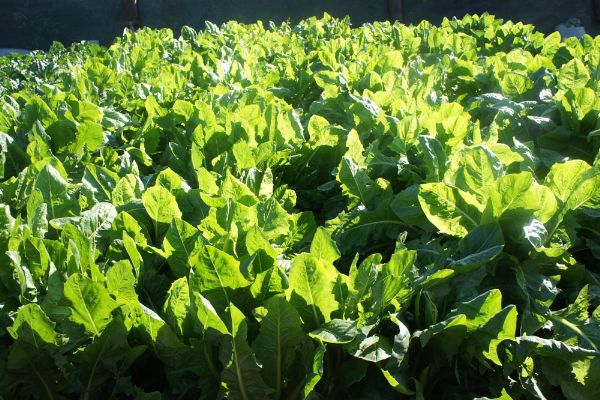
Chicory has very high nutritional value, and when it was first discovered it was treated merely as a wild vegetable. Now it can also be cultivated artificially, so friends with suitable conditions at home can freely try the pleasure of growing chicory and then eating green, healthy vegetables.