Potato Benefits, Effects, and the Correct Way to Eat Them
The potato, also known as the Irish potato, is one of the common foods on ordinary people's dining tables. Potatoes are not only tasty and cheap, but also very rich in nutrients. In particular, the content of vitamin C, B vitamins, crude fiber and so on can be said to be relatively high. So what are the benefits and effects of potatoes?
Benefits and Effects of Potatoes
Potatoes Can Fight Aging and Hold Back the March of Time
Potatoes are nutritious and are an anti-aging food. They are rich in vitamin B1, B2, B6, pantothenic acid and other B-group vitamins as well as a large amount of high-quality cellulose, and also contain trace elements, amino acids, protein, fat and high-quality starch and other nutrients. People who often eat potatoes are healthy and age slowly.
Potatoes Can Help with Weight Loss and Slimming
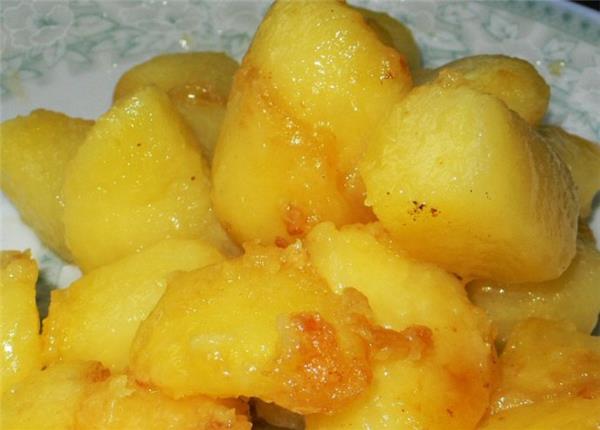
Eating potatoes means you need not worry about excess fat, because they contain only 0.1% fat, the lowest fat content among all foods that satisfy hunger. Eating more potatoes every day can reduce fat intake, allow the body to gradually metabolize excess fat, and eliminate your hidden troubles. Potatoes have a very wonderful effect on the human body. Thin people who eat them can gain weight, and fat people who eat them can become thinner; eating them often will make the figure become slim.
Potatoes Are an Excellent Beauty Product
Potatoes have a very good effect on caring for the skin and preserving youthful looks. Fresh potato juice applied directly to the face has a very noticeable whitening effect. People's skin is easily sunburned and darkened in the hot summer, and potato juice has a clear effect on removing dark spots, with no side effects.
Potatoes also have a significant beautifying effect on the skin around the eyes. Slicing a cooked potato and placing it on the eyes can reduce the puffiness of under-eye bags. Placing sliced potatoes on the face has a good effect on beauty care and reducing wrinkles. Young people have active oil secretion and are often troubled by pimples and acne; dipping cotton in fresh potato juice and applying it to the affected area can solve this problem.
Potatoes Can Help Adjust a Weak Constitution
Potatoes not only do not make people fat, but also have the effects of healing wounds, promoting urination, and relieving spasms. They can prevent and treat bruises, neuralgia, arthritis, coronary heart disease, and can also treat eye pain. Potatoes are rich in potassium; people with muscle weakness and poor appetite, and people who take diuretics or laxatives for a long time, can supplement the potassium lacking in the body by eating more potatoes. 3lian.com
Potatoes Can Help Cultivate a Good Temperament
Potatoes contain vitamin C. Office workers living in modern society are most easily troubled by negative emotions such as depression, discouragement, and unease, and potatoes can help you solve this problem. Food can affect people's emotions because the minerals and nutrients it contains can act on the human body and improve the mental state.
Nutritional Value
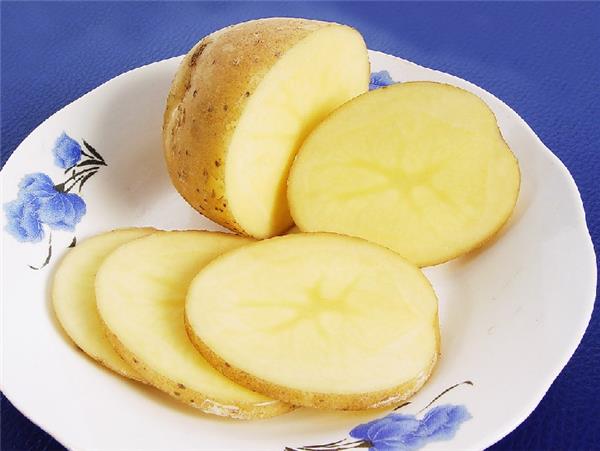
Potato, sweet potato, taro and other tuber foods are rich in nutrients. Their content of protein, vitamin C, vitamin B1, and vitamin B2 is much higher than that of apples, and their content of calcium, phosphorus, magnesium, and potassium is also very high; especially the potassium content can be said to rank first among vegetables. Tubers contain a large amount of high-quality cellulose and have effects such as preventing constipation and preventing and treating cancer. So how should tubers be eaten well?
First, there must be a guaranteed amount; eating tuber foods (potato, sweet potato, taro) every day should be about 80 g. Second, meat and vegetables should be well matched; as long as they are well matched, you can enjoy delicious food while achieving the goal of maintaining a slim figure. When eating tubers, the intake of staple food should be reduced accordingly, and it can be controlled according to a ratio of tubers to staple food of 3:1 to 4:1. If you eat about 80 g of tuber foods every day, it may help reduce the risk of stroke.
As for the mashed potatoes and French fries that are common in fast food, they are oxidized during processing, which destroys a large amount of vitamin C and greatly reduces the nutritional content. As for French fries, they easily increase fat intake, and it is hard to judge whether the oil used for French fries is fresh; in addition, repeated high-temperature heating produces polymers, and toxic substances such as cyclic monomers are carcinogenic, so they should be eaten as little as possible.
Nutritionists point out that eating tubers means you need not worry about excess fat, because they contain only 0.1% fat, the lowest among all foods that satisfy hunger; eating more tubers every day can reduce fat intake and allow excess fat to gradually metabolize.
Chemical Composition
The tuberous root contains alkaloid glycosides, whose aglycones are: solanidine, leptinidine, tomatidine, acetylleptinidine; it contains alkaloids, solanidine, α-chaconine, α-solanine and quercetin. It also contains carotenoid substances: violaxanthin, neoxanthin A, lutein. It contains essential amino acids: threonine, valine, leucine, isoleucine, phenylalanine, lysine, methionine and various other amino acids. The tuberous root also contains various organic acids: citric acid, malic acid, quinic acid, succinic acid, fumaric acid, oxalic acid, capric acid, lauric acid, myristic acid, abscisic acid, gibberellic acid. In addition, it also contains acrylamide and lectin.
Pharmacological Effects
1. Inhibitory effect on certain enzymes: An endogenous ATPase inhibitory protein isolated from potato tuber mitochondria; its inhibition of F1-ATPase requires the presence of Mg2 -ATP. Its IC50 for isolated yeast F1 is 140 μg (inhibitor)/mg (F1). This inhibitor also has a strong ATPase inhibitory effect on isolated yeast F1. Adding 100 mg and 200 mg of trypsin inhibitor isolated from potato per 100 g of food for rats, in a short-term trial lasting 28 days, can reduce casein utilization and cause pancreatic enlargement in rats; in a long-term trial lasting 95 weeks, this inhibitor can produce dose-dependent pancreatic pathological changes, with small nodular hyperplasia and acinar tumors in the pancreas. A protease inhibitor obtained from potato (POT II) can increase the release of cholecystokinin (CCK). Because endogenous CCK plays an important role in controlling food absorption, this substance may have a certain effect in reducing food absorption. In an experiment with 11 men, adding 1.5 g of POT II to high-protein soup and administering it orally reduced energy absorption by up to 17.5%. In streptozotocin-induced diabetic rats, proteolytic enzyme activity increased at skin wounds and collagen biosynthesis slowed. Topical application of a cathepsin D inhibitor obtained from potato can restore proteolytic activity to normal and also accelerate collagen biosynthesis.
Precautions
It contains a toxic substance called alkaloid; ingesting a large amount of alkaloids in the human body can cause poisoning, nausea, diarrhea and other reactions. The alkaloids in potatoes are steroidal glycoalkaloids, mainly solanine and chaconine. Their structure is similar to human steroid hormones such as androgens, estrogens, progestogens and other sex hormones. According to foreign reports, freshly harvested potatoes contain 20 to 80 mg of alkaloids per kg, and after storage for a period of time this rises to 75 to 114 mg. Sprouted or moldy potatoes will have a further increased alkaloid content. This toxic compound is present at a higher content in the potato skin, so the skin must be removed when eating them, especially the green parts of the skin must be completely peeled off. In addition, sprouted potatoes are more toxic; when eating them, the sprouts and sprout roots must be dug out, and they should be soaked in clean water, and a high heat should be used when stewing.