What are the benefits of the clivia? A detailed guide
The clivia is one of the indoor flowering plants, and quite a few gardening enthusiasts like to grow it because they feel its symbolism is very auspicious. In fact, most people do not really understand what the benefits of the clivia are, nor its flower meaning, so let us explain it to you slowly below.
I. Benefits of the clivia
The ornamental benefit of the clivia
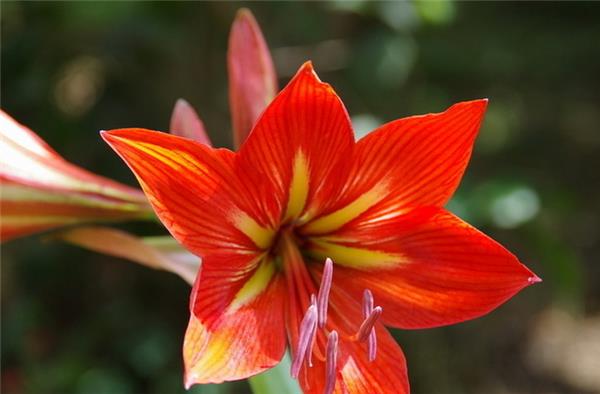
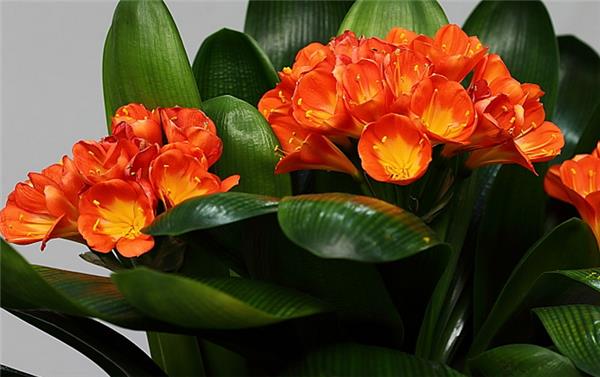
The clivia has a graceful plant shape, upright leaves, and large, brilliantly colored flowers; it is a flowering plant that can be enjoyed both for its foliage and its blooms. The leaves, flowers, and fruits of the clivia all have ornamental value, and it is known as having flowers to view in one season, fruits to view in three seasons, and foliage to view in all four seasons.
The clivia stays green all year round and has strong shade tolerance, making it very suitable for indoor growing. Clivia potted plants can be placed in the living room, study, bedroom, and other places to decorate the home, and can also be used to decorate auditoriums, meeting rooms, and other venues. Many people use the clivia to beautify their rooms and showcase a quality lifestyle.
The air-purifying benefit of the clivia
The clivia can absorb carbon dioxide and release oxygen through photosynthesis, so growing it indoors can purify indoor air. The clivia can also absorb large amounts of dust, dirt, and harmful gases, filtering the indoor air, reducing the dust content of the indoor space, and making the air fresh and clean. The clivia is hailed by people as a natural "dust collector."
II. The medicinal value of the clivia
The clivia is both ornamental and enjoyable, and the whole plant can be used as medicine. Besides beautifying the environment, it also has certain medicinal value. The clivia plant is rich in lycorine and clivine, and is also rich in the trace element selenium. Today, pharmaceutical researchers use clivia plants rich in these chemical components for scientific research, and they have already been used to treat cancer, hepatitis, cirrhosis with ascites, and poliovirus, among others. Experiments have proven that the lycorine obtained from clivia leaves and roots not only has antiviral effects but also has anticancer effects.
Experiments have proven the anticancer activity of lycorine, which is mainly shown as a significant inhibitory effect on aerobic or anaerobic glycolysis of cancer cells. The quaternary ammonium salt carrying a positive charge within lycorine can combine with negatively charged tumor cells, while the negatively charged phenolic ion group can enter the interior of positively charged tumor cells, thereby exerting an anticancer effect.
Lycorine is mainly used in the treatment of digestive tract tumors, such as gastric cancer, liver cancer, and esophageal cancer, and it also has a certain effect on lymphoma and lung cancer. In addition to the above effects, lycorine also has a relatively significant emetic effect, which is even stronger than that of emetine. At the same time, lycorine has low toxicity and can be used as an emetic for various types of poisoning.
III. Root rot in clivia and how to solve it
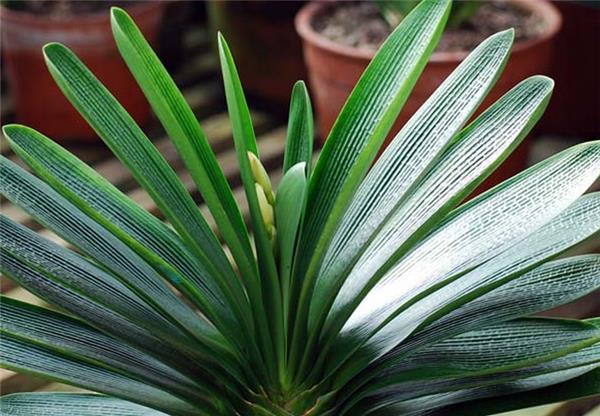
Clivia sometimes develops root rot. It is mainly caused by high temperatures, overwatering, application of concentrated fertilizer, or sterile culture soil carrying bacteria. Root rot generally comes in two situations: one is that most of the root system is still fine and only part of the roots have rotted; the other is that most or all of the root system has rotted. For the first situation, the rescue method is: after discovering root rot, immediately knock it out of the pot, carefully remove the attached soil, rinse the root system clean with clean water, then use a clean, sharp blade to cut away the rotted roots, then apply a 0.1 potassium permanganate solution to the rotted root areas, or wrap the leaf part with toilet paper, place it under weak sunlight for half an hour, use ultraviolet light to disinfect it, and then plant it in a sterilized substrate. After planting, put a transparent plastic bag over it and place it in a semi-shaded spot, water it sparingly, and keep the potting soil slightly moist. At the same time, every 5-7 days, spray the leaf surface once with a 0.2% potassium dihydrogen phosphate aqueous solution to increase nutrients and encourage rooting.
In this way, after about two weeks or more, new roots can grow; at this point remove the bag and gradually transition to normal care. For the latter situation, the rescue method is: first rinse the base of the stem clean with water, then use a sharp knife to cut off the rotted part horizontally (the cut surface is required to be flat and smooth), then immediately apply sulfur powder or charcoal powder to the cut to prevent wound infection, place it in a cool, ventilated spot, and after the cut surface is slightly dry, plant it in a plain sand pot, water once after two days, and afterward keep the potting soil moderately moist; absolutely do not fertilize. At a temperature of 20-25 degrees C, after about 10 days new roots will grow around the cut, and after about 45 days it can be transplanted into a new pot with culture soil and gradually brought into normal care.
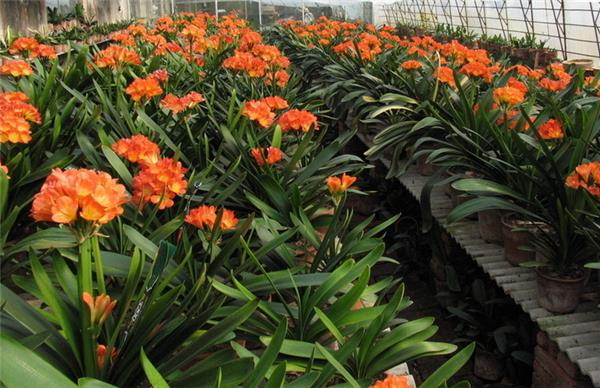
That is all for the introduction to the benefits of the clivia. After reading this article, you surely have a deeper understanding of the clivia. Friends who like the clivia can grow a few pots at home to beautify the indoor environment and delight both body and mind.
That is all for the introduction to the benefits of the clivia. After reading this article, you surely have a deeper understanding of the clivia. Friends who like the clivia can grow a few pots at home to beautify the indoor environment and delight both body and mind.