How to Grow a Boston Fern? Detailed Guide to Care Methods and Benefits
The Boston fern has an attractive plant form and a faint grassy fragrance. When well grown, its fronds are a very healthy, bright green that makes people feel refreshed and helps relieve eye fatigue, making it very suitable for growing at home.
I. Morphological Characteristics of the Boston Fern
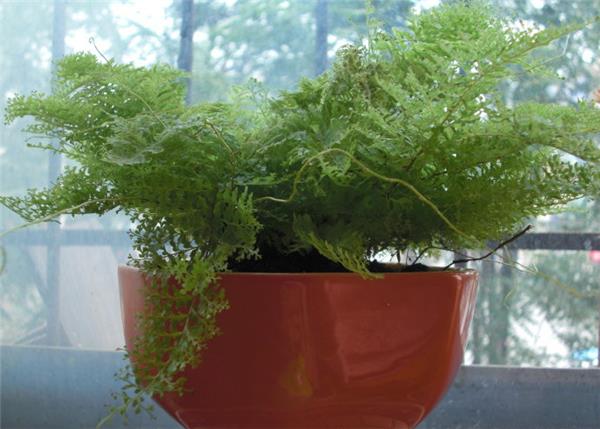
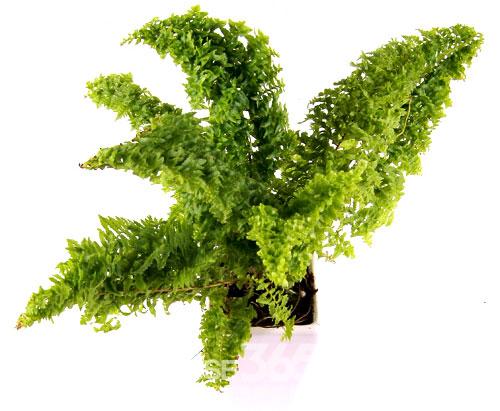
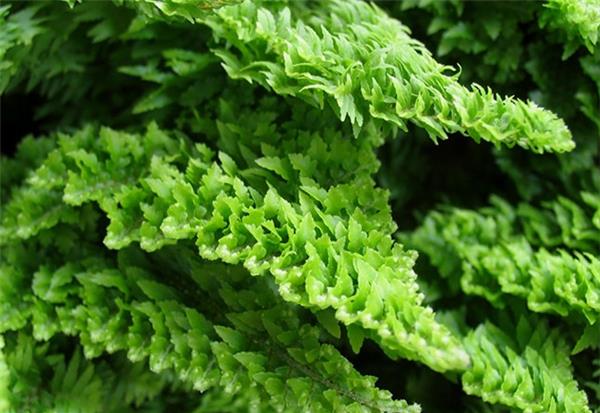
It is a perennial evergreen fern herbaceous plant. The rhizome is upright, with stolons. The fronds grow in clusters and can reach over 60 cm in length, with slender compound leaves; after unfolding, the fronds droop downward. The fronds are bipinnately parted, and the bases of the pinnules are auriculate and oblique. The sori are semicircular and borne on the underside of the fronds near the margins.
This plant is a type of drooping fern foliage plant, suitable for hanging indoors in pots for ornamental display; its stolons can be cut off and used as decorative arrangement material.
II. Growth Habits of the Boston Fern
The Boston fern is generally placed indoors in bright, indirect light for cultivation; it must not be exposed to strong direct sunlight, but it also should not be kept in a dark place. The suitable growing temperature is 15-25°C, and in winter it can overwinter safely at above 10°C. Although the Boston fern is drought-tolerant, it still needs sufficient moisture, and it should not be too wet or too dry; the potting soil should be kept consistently moist. In summer, water 1-2 times a day and frequently spray water on the fronds. The Boston fern does not need much fertilizer; during the growing season, applying a dilute decomposed cake fertilizer once every 4 weeks is enough. Quick-acting chemical fertilizers should not be used. When fertilizing, be sure not to let it touch the fronds, so as to avoid damage.
III. Benefits of the Boston Fern
1. Ornamental Value
The Boston fern is a perennial evergreen fern herbaceous plant. This plant is a type of drooping fern foliage plant, very suitable for hanging indoors in pots for ornamental display, and has extremely high ornamental value. The Boston fern likes shade, has strong adaptability, and is easy to cultivate, making it even more suitable for year-round indoor potted ornamental display.
2. Decorating the Home
The Boston fern can also decorate the home and beautify the home environment. The Boston fern has elegant and varied stems and leaves, a graceful form, and a compact plant size, making it very suitable for small-pot cultivation and for accenting rock bonsai. Potted Boston ferns used to decorate bright living rooms, meeting rooms, studies, and bedrooms appear small and exquisite, dignified and beautiful.
3. Purifying the Air
The Boston fern can purify the air and absorb harmful gases indoors such as xylene, toluene, and formaldehyde, and it has an especially strong ability to absorb formaldehyde. The Boston fern can absorb about 20 micrograms of formaldehyde per hour, so it is considered the most effective biological "purifier." Therefore, growing a Boston fern in a newly renovated room is ideal. The Boston fern can suppress xylene and toluene released from computer monitors and printers. People who deal with paint and coatings all day, or who have smokers around them, should place at least one Boston fern in their workplace.
4. Humidifying Ability
The Boston fern is a variety of the sword fern. It has extremely strong adaptability and also has the function of absorbing formaldehyde waste gas. At the same time, it can suppress xylene and toluene released from computer monitors and printers. It is an effective biological purifier, so the Boston fern is a highly recommended plant. In addition, the benefits of growing a Boston fern also lie in its humidifying ability and its positive effect on people's psychology. Fresh green leaves can let people feel the breath of spring all year round and help people relax.
IV. Care Methods for the Boston Fern
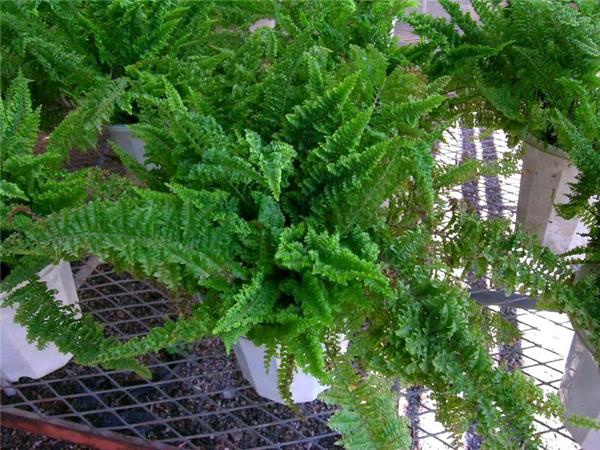
1. Propagation: The Boston fern is commonly propagated by division. In summer, cut off small rooted plantlets growing from the stolons of vigorously growing plants and plant them separately.
2. Soil: For potted Boston ferns, a mixed growing medium of leaf mold, river sand, and garden soil is suitable. If conditions permit, using sphagnum moss as the growing medium will produce even better growth. Repot once every other year in spring.
3. Light: The Boston fern likes bright, indirect light. In spring and summer, it should be placed indoors in bright, indirect light. When sunlight is strong, it must not be placed in direct sunlight; direct sunlight turns the fronds yellow. In winter, light should be appropriately increased, otherwise the frond color easily turns yellow or the frond margins may dry up.
4. Watering: The Boston fern likes a moist environment and requires relatively high soil moisture and air humidity. Because the roots of the Boston fern are adventitious roots, their ability to absorb and retain water is poor, so water must be supplied in time; otherwise, prolonged dryness can easily cause the fronds to turn yellow and fall off. In spring and summer, the potting soil must always remain moist, but it must not become waterlogged or too wet. It is best to keep the potting soil consistently moist. In summer, in addition to timely watering, also frequently spray water on the fronds. In winter, when room temperature is low, reduce watering and just keep the soil slightly moist.
5. Fertilizing: The concentration of fertilizer for the Boston fern should not be too high, otherwise it easily damages the roots. The best fertilizing method is to first add decomposed manure when potting (repot once every 1 year in spring), and then during the peak growing season, apply additional fertilizer in dilute form. When fertilizing, avoid letting the fertilizer liquid touch the fronds. If it accidentally touches them, immediately spray clean water to rinse them thoroughly.
So, after reading the introduction above, do you now understand how to grow a Boston fern? The Boston fern has great household benefits and is especially suitable for placement in newly renovated rooms, as it can help absorb harmful gases in a new home. So if you are interested, you can give growing one a try.
immediately spray clean water to rinse them thoroughly.
So, after reading the introduction above, do you now understand how to grow a Boston fern? The Boston fern has great household benefits and is especially suitable for placement in newly renovated rooms, as it can help absorb harmful gases in a new home. So if you are interested, you can give growing one a try.