How to care for indoor potted flowers? Master these care principles
Growing potted flowers indoors has now become one of the mainstream ways to decorate a home, but only by growing and caring for the flowers well can these beautiful plants add a lovely scene to the home.
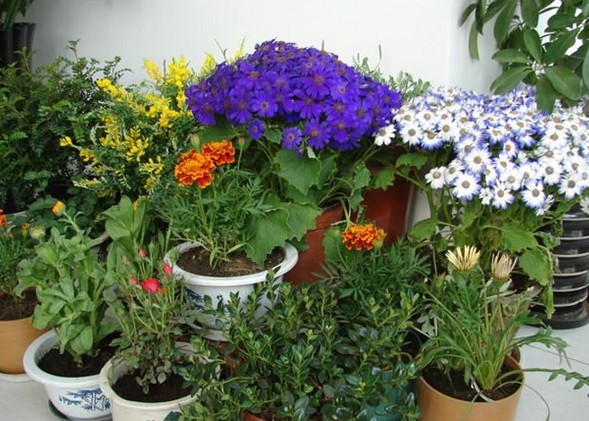
I. Four principles for home bonsai care
Principle one: Maintain dryness and moisture: the most important thing in bonsai care is to manage dryness and moisture well, generally following the principle of "do not water until dry, and water thoroughly when you do." In spring and autumn, about once every three to four days; in summer, once a day; in winter, once a week or even longer, depending on the amount of water evaporation.
Principle two: Suitable light intensity: plants all need photosynthesis, so sunlight is very necessary. In spring, summer and autumn, bonsai must be placed in a place with ample sunlight. In winter, indoor placement must have sufficient diffused light to maintain normal photosynthesis in the plant.
Principle three: Pay attention to indoor temperature: the suitable environmental temperature for most bonsai is 20°C to 35°C. The timing for moving bonsai into a greenhouse must be well controlled. In autumn, they can be moved indoors about ten days after First Frost; after the plant has experienced one or two light frosts, moving it indoors is beneficial for sprouting and flowering the following year. In spring, they should be moved outdoors around Grain Rain; moving them out too early will cause spring frost damage due to the obvious alternation of cold and warm.
Principle four: Shape control: the extent of pruning generally will not affect the plant's survival, so you can freely express your understanding and creativity regarding bonsai styling. When pruning, to avoid cutting into broken leaves and bare branches, the cut should be made at the leaf axil.
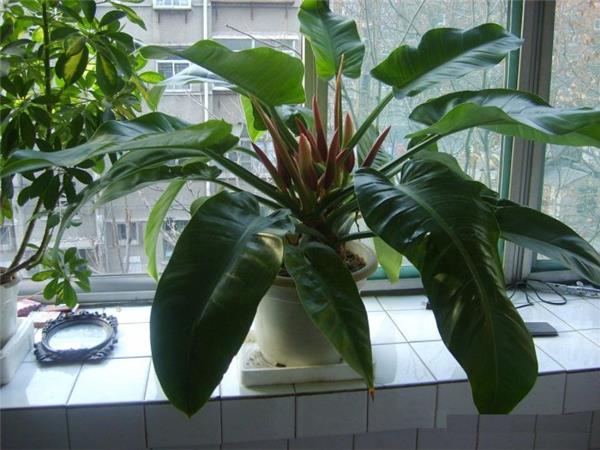
II. How to deal with diseased plants
First, cut off the branches or leaves on the plant that have severe pests or diseases, in order to cut off the source of infection. Then spray an appropriate pesticide on the plant.
In addition to applying pesticide promptly, good management is also very important. But note that the affected plant no longer has the ability to withstand the normal stress caused by changes in light, temperature, watering and humidity. At this time the plant's growth vigor is very weak, and its internal metabolism is often disrupted. Therefore, it is best to move the plant to a shady place, maintain a suitable temperature (it is not that the warmer the place, the better), and spray water mist frequently.
If necessary, you can also cover the plant with a plastic bag to maintain humidity. At the same time, watering must be done very carefully, and the amount of water should be reduced. Fertilizer should also not be applied until it grows new leaves and shows signs of complete recovery, after which normal care and management can be resumed.
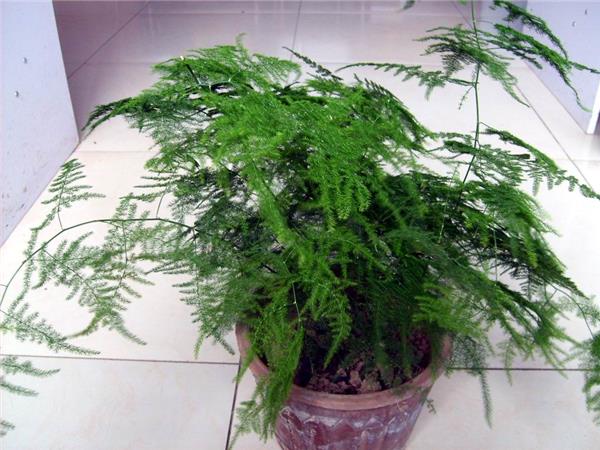
III. How to care for potted flowers in autumn
Propagate in time. In autumn, temperatures are lower. For some biennial flowers, such as pansy, dianthus, cineraria and hollyhock, it is exactly the right time to sow. After sowing, pay attention to spraying water and keep the soil moist. There are also some woody flowers suitable for cuttings in autumn, such as Chinese rose, geranium and jasmine; the survival rate of autumn cuttings is relatively high. For perennial flowers that are growing densely and need division, such as tree peony and Chinese peony, they should be divided and propagated in time. For flowers that bloom around Spring Festival, such as hyacinth, tulip and amaryllis, pots should be prepared promptly.
Move indoors in time. The time for moving potted flowers indoors can vary depending on the flower. Warm-loving flowers and trees such as Chinese hibiscus, poinsettia, begonia, cyclamen, jasmine, coleus and Swiss cheese plant should be moved indoors when the temperature is 10°C; spider plant, asparagus fern, cast iron plant, umbrella tree and rubber tree should also be moved indoors when the temperature is 5°C. For the vast majority of flowers, it is best to move them indoors before First Frost.
That is all for the introduction on how to grow and care for flowers. Through the above introduction, I hope not only that you will learn some tips for caring for flowers, but also that you will attach importance to the matter of flower care and tend your own plants beautifully.