What are the main side effects of Banlangen (Isatis root)?
Banlangen is a household standby medicine for many people, and some even take two packets whether they are sick or not. In fact, Banlangen should not be consumed indiscriminately; doing so can cause side effects and harm human health.
Banlangen has effects such as clearing heat and detoxifying, and has a good preventive and therapeutic effect on common illnesses such as colds, flu, mumps, conjunctivitis, and measles. However, Banlangen is cold in nature and bitter in taste, effective for wind-heat colds, but powerless against wind-cold colds.
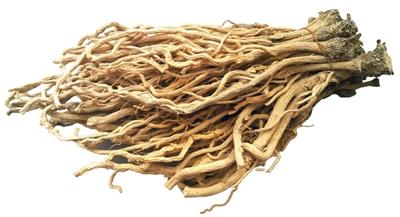
The 5 major side effects of Banlangen abuse
1. Some people drink Banlangen granules as tea to prevent colds, or use Banlangen to treat colds whenever they catch one. In fact, Banlangen cannot prevent and treat all colds, and is especially unsuitable for wind-cold type colds and yin-deficiency colds.
2. Healthy people taking too much Banlangen will damage the spleen and stomach. Long-term internal use can cause loss of appetite, weight loss, fatigue and reduced activity, clear drooling, diarrhea, abdominal pain, abdominal bloating, and so on.
3. Young children taking too much bitter-cold Banlangen will damage stomach qi. When children take Banlangen, adult dosages should not be used, and long-term high-dose use should be avoided even more.
4. People with a cold-deficient constitution, those who usually fear cold, have disharmony of the spleen and stomach and are prone to diarrhea, are even less suited to using Banlangen granules to prevent colds, otherwise it can lead to symptoms such as aversion to cold, stomach pain, and poor appetite.
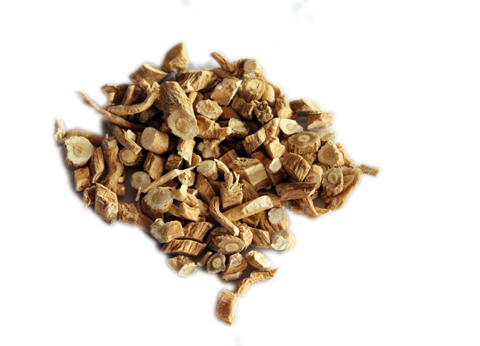
5. Banlangen can also cause skin allergic reactions and adverse reactions of the digestive and hematopoietic systems. The allergic reactions caused by Banlangen injection are mainly dizziness and blurred vision, chest tightness, shortness of breath, vomiting, blue-purple face and lips, conjunctival congestion, distending pain in both eyes, palpitations, restlessness, numbness of the limbs, generalized skin flushing, itching, rash or urticaria, and in severe cases can cause anaphylactic shock and even endanger life.
However, experts believe that although Banlangen's effects are good, Banlangen also has side effects, and it is not suitable for everyone.
Some traditional Chinese medicine experts say that SARS, seasonal flu, and influenza A H1N1 are all respiratory diseases caused by viruses, so their mechanisms of action are all antiviral. However, Banlangen's anti-flu effect lacks strict evidence-based medical evidence, resting only on clinical experience accumulated from specific cases over many years. Experience shows that the Chinese herb Banlangen may act on human cell protection, protecting cells from virus invasion, or it may enhance human immune function.
At present, it cannot be proven that Banlangen has a therapeutic effect on influenza A H1N1. The main method for the public to prevent influenza A H1N1 is still to maintain normal diet and rest, keep the body's normal immunity, and seek medical attention promptly when symptoms appear.
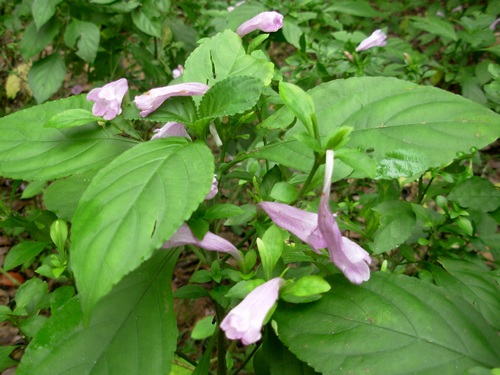
Two large-scale virus epidemics have proven that Banlangen cannot prevent and treat hepatitis A or SARS, and it should not be used indiscriminately or in large amounts. However, because Banlangen, in synergistic action with other drugs, still has relatively good efficacy in preventing and treating flu, epidemic encephalitis B, epidemic mumps, and other diseases.
In research on the antiviral mechanism of the Chinese herb Banlangen, it was first discovered that Banlangen has the function of clearing endotoxins caused by dead bacteria, and can act as an endotoxin "scavenger."
But Banlangen is not a "miracle drug"; it only strengthens the human body's own immunity to a certain extent. Because Banlangen has antiviral, heat-clearing, and detoxifying effects, with very small toxic and side effects, taking Banlangen during flu can strengthen one's own immunity and antiviral ability to a certain extent. And when all aspects of the human body's immunity are in good condition, its prevention and treatment of viruses will also be stronger than that of generally frail people. Therefore, Banlangen is not the nemesis of influenza A H1N1; it can only improve and strengthen the human body's immunity.
How to consume Banlangen
1. Banlangen and honeysuckle tea
Effects: Clears heat, detoxifies. Suitable for mumps accompanied by fever.
Materials: Banlangen 30 grams, honeysuckle 10 grams, mint 5 grams.
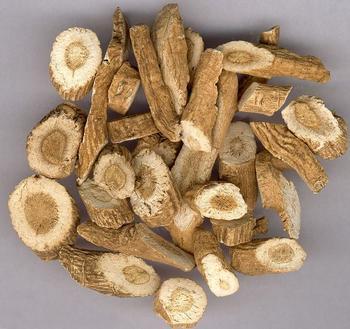
Preparation: Grind the above medicines together into coarse powder, place in a clay pot, add water and boil, take the juice, and drink as tea.
Usage: 1 dose per day, taken in 3 divided servings. Take continuously for 3-10 days until recovery.
2. Banlangen liver-clearing tea
Effects: Clears heat and detoxifies, removes dampness and reduces jaundice. Mainly treats infectious hepatitis, with aversion to cold and fever, fatigue and weakness, yellow staining of the body and eyes, poor appetite, short and dark red urine like strong tea, red tongue with thick greasy coating, and slippery rapid pulse.
Composition: Banlangen 30 grams, Yinchen (Artemisia capillaris) 15 grams, fried Huangbai (Phellodendron) 9 grams.
Preparation: Increase the above prescription amounts by 15 times, and grind into coarse powder. Each time use 50-60 grams, place in a thermos, pour in boiling water and steep covered for 15-20 minutes, then drink frequently as tea.
Usage: 1 dose per day, take continuously for 7-10 days.
Note: Those with pre-existing ulcer disease should drink it after meals.
3. Minor three-positive liver-protecting tea
Effects: Clears heat and detoxifies, activates blood and reduces jaundice. Mainly treats acute and chronic hepatitis, yellow staining of the skin and sclera, generalized fatigue, poor appetite, spider angiomas scattered on the head, face, and neck, distending or stabbing pain in the liver area, red tongue with yellow coating and petechiae on the edges, and wiry slippery pulse. Laboratory tests: elevated enzyme profiles such as transaminases and alkaline phosphatase, elevated bilirubin, and positive hepatitis marker tests.
Composition: Yinchen (Artemisia capillaris) 15 grams, Yujin (Curcuma) and Danshen (Salvia miltiorrhiza) 9 grams each, Banlangen 12 grams.
Preparation: According to the proportions of the original prescription, increase the amount by 20 times, and grind together into coarse powder. Each time use 50-70 grams, place in a thermos, pour in more than half a bottle of boiling water, cover and steep for 15-20 minutes, and drink frequently as tea. 1-2 doses per day.
Contraindications: Use with caution in patients with thrombocytopenia and severe coagulation mechanism disorders.