What does banlangen (Isatis root) do? An introduction to its effects and uses
In recent years, due to the spread of SARS and avian influenza viruses, banlangen started to become popular. Drink banlangen for colds and internal heat, drink banlangen to clear heat and detoxify, drink banlangen to relieve pain and reduce fever - banlangen seems to have become a cure-all, and the blind, excessive use of banlangen among ordinary people is very common. So what are the contraindications for drinking banlangen?
The effects of banlangen
1. Clearing heat and detoxifying
Banlangen has an anti-bacterial endotoxin effect. Bacterial endotoxin is what traditional Chinese medicine calls "heat toxin", mainly the toxin released after bacteria are killed. Research has found that the organic acids, alkaloids, nucleosides and many other types of chemical components contained in banlangen can directly neutralize and degrade endotoxin or destroy the normal structure of bacterial endotoxin, while also inhibiting the synthesis and excessive release of inflammatory mediators induced by endotoxin. Banlangen also has the effect of resisting oxygen free radicals and strengthening immunity.
2. Antibacterial and antiviral
Banlangen has a bactericidal effect on many kinds of bacteria. A water infusion of banlangen inhibits Bacillus subtilis, Staphylococcus aureus, Sarcina octameres, Escherichia coli, Salmonella typhi, Salmonella paratyphi A, Shigella (Shigella dysenteriae, Shigella flexneri), enteritis bacillus and others; the acetone extract has a similar effect and is also effective against hemolytic streptococcus (all by the agar well plate method). Its antibacterial effect on Neisseria meningitidis type A is similar to that of garlic and honeysuckle. It has a clear inhibitory effect on influenza virus strain PR8 and strain Jingke 68-1. In test tubes, banlangen has the effect of killing Leptospira.
Related entry: The 5 major side effects of abusing banlangen
Banlangen has effects such as clearing heat and detoxifying, and has a relatively good preventive and therapeutic effect on common illnesses such as colds, influenza, mumps, pink eye and measles. But banlangen is cold in nature and bitter in taste, effective for wind-heat colds, while for wind-cold colds it is powerless.
1. Some people drink banlangen granules as tea to prevent colds, or use banlangen to treat a cold as soon as they get one. In fact, banlangen cannot prevent or treat all colds, and is especially unsuitable for wind-cold type colds and yin-deficiency colds.
2. Healthy people taking too much banlangen will damage the spleen and stomach. Long-term internal use can cause loss of appetite, weight loss, fatigue and reduced movement, vomiting of clear saliva, diarrhea, abdominal pain, abdominal bloating and so on.
3. Young children taking too much bitter-cold banlangen will damage stomach qi. When children take banlangen, an adult dosage should not be used, and long-term high-dose use should be avoided even more.
4. People with a deficient-cold constitution, who usually fear cold, have poor spleen and stomach function and are prone to diarrhea, should especially not use banlangen granules to prevent colds, otherwise it can cause symptoms such as aversion to cold, stomach pain and poor appetite.
5. Banlangen can also cause skin allergic reactions and adverse reactions in the digestive and hematopoietic systems. The allergic reactions caused by banlangen injection are mainly dizziness and blurred vision, chest tightness, shortness of breath, vomiting, purple lips and face, conjunctival congestion, distending pain in both eyes, palpitations, restlessness, numbness of the limbs, flushing of the whole body skin, itching, rash or urticaria, and in severe cases can cause anaphylactic shock and even endanger life.
The difference between nanbanlangen and banlangen
Banlangen is an important antiviral Chinese medicine, and whenever a viral disease is prevalent, banlangen becomes a scarce, sought-after Chinese medicine. Recently, in quite a few places nanbanlangen has been used directly to replace banlangen in medicinal preparations, which is inappropriate. This is because the two differ in source, composition, pharmacological effects and other aspects.
Different sources
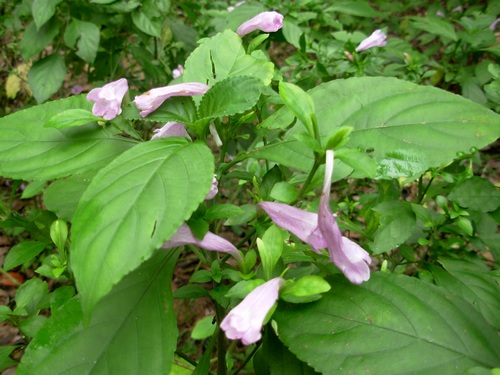
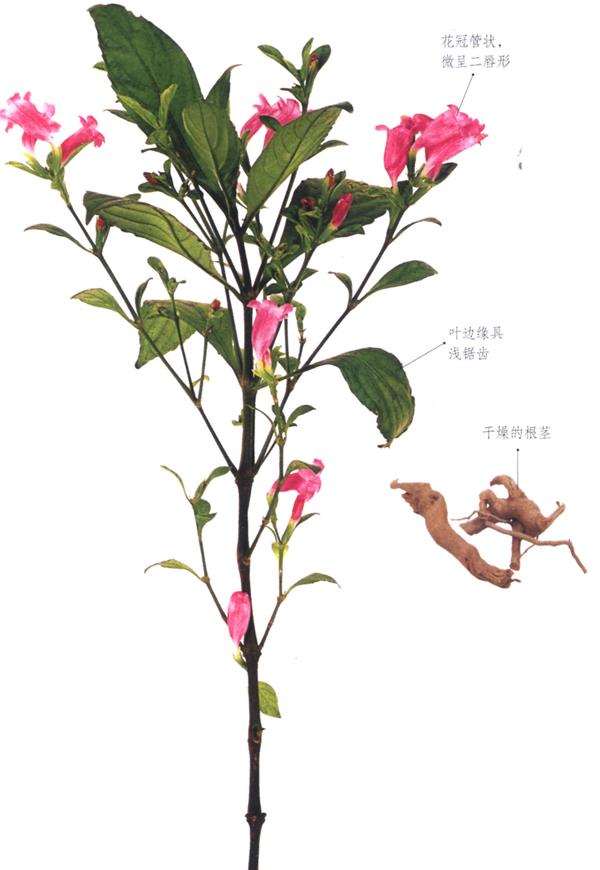
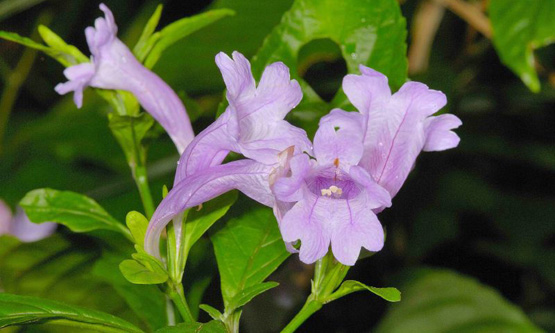
Banlangen (north banlangen) is the dried root of the Cruciferae plant Isatis indigotica (woad). Nanbanlangen is the dried root of the Acanthaceae plant Baphicacanthus cusia (Malabar indigo).
Different properties
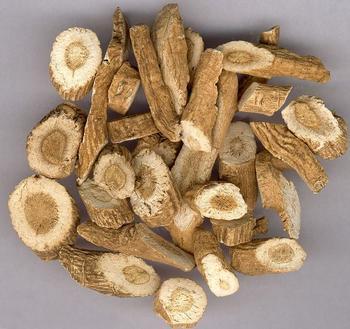
Banlangen is cylindrical, with a faint odor and a slightly sweet then bitter taste. Nanbanlangen is nearly cylindrical, often curved and not straight, with a faint odor and a bland taste.
Similar functions and indications, different dosages
Banlangen clears heat and detoxifies, cools the blood and soothes the throat, and is often used for warm-toxin macules, crimson tongue, mumps, scarlet fever with sore throat, erysipelas, carbuncles and swelling. Dosage 9-15 grams, decocted in water. Nanbanlangen has functions similar to banlangen, with a usual dosage of 10-30 grams.
Different compositions
Test results show that banlangen contains more free amino acids than nanbanlangen. Moreover, the two also have many completely different chemical components.
Different pharmacological effects
Banlangen injection has an inhibitory effect on infection by influenza A virus, Japanese encephalitis B virus, mumps virus and influenza virus. Comparing the results of antipyretic and anti-inflammatory tests, the effect of banlangen is superior to that of nanbanlangen.
Friendly reminder: Comparing the results of antipyretic and anti-inflammatory tests, the effect of banlangen is superior to that of nanbanlangen. At present, research data on nanbanlangen are still scarce, so nanbanlangen and north banlangen cannot be substituted for each other.
Friendly reminder: Comparing the results of antipyretic and anti-inflammatory tests, the effect of banlangen is superior to that of nanbanlangen. At present, research data on nanbanlangen are still scarce, so nanbanlangen and north banlangen cannot be substituted for each other.