What are the side effects of Scutellaria barbata? This article gives you a detailed analysis
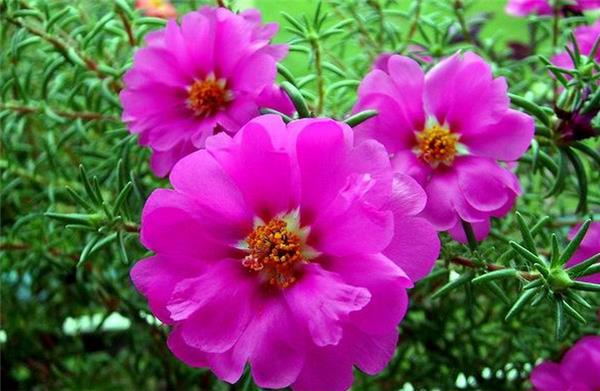
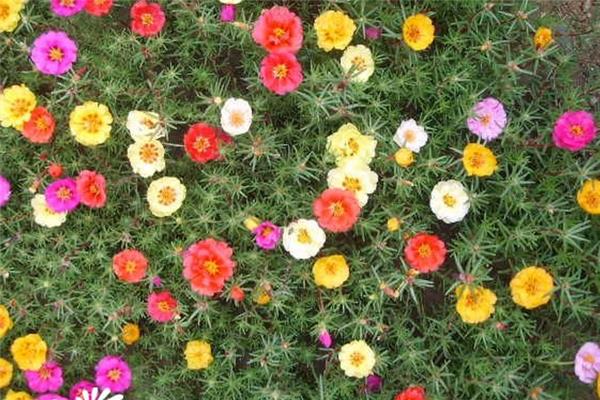
Scutellaria barbata, a plant of the genus Scutellaria, is distributed in many countries. It not only has a long flowering period and bright, abundant blooms, but also grows in very dense clumps, making it an excellent companion flower for decorating lawns, slopes and roadside scenery. When planted at the edges of flower beds and in flower borders, it is generally grown in pots; potted, it is small and delicate and can be placed on windowsills, corridors, in front of doors and beside ponds for viewing. If its stems, leaves and flowers are allowed to trail over the sides of the pot, it presents yet another unique charm.
I. Side effects of Scutellaria barbata
This product contains alkaloids, flavonoid glycosides, steroids, as well as phenols, tannins, etc. The scutellarin it contains is a flavonoid compound (2,5-dihydroxy-6,7,8-trimethoxyflavone); in addition, there are two other flavonoid compounds, wogonin (5,7-dihydroxy-8-methoxyflavone) and 5-hydroxy-7,8-dimethoxyflavone. Animal experiments have confirmed that Scutellaria barbata has a certain inhibitory effect on sarcoma 180, Ehrlich ascites carcinoma, brain tumor 22, etc. When Japanese scholars screened 800 kinds of traditional Chinese medicines for antitumor activity through in vitro experiments, they found that 88 kinds of traditional Chinese medicines had an inhibition rate of over 90% on tumor cell proliferation, among which Scutellaria barbata had a 100% in vitro inhibition rate on JTc-26 tumor cells, while its inhibition rate on normal cells was only 50%. When observing the clinical antitumor efficacy of these traditional Chinese medicines, it was found that even for advanced tumors with no available treatment, they still have the effect of improving symptoms, inhibiting tumor proliferation and prolonging patients' lives.
Not suitable for those with blood deficiency; pregnant women should take it with caution.
Scutellaria barbata has a certain anticancer effect, which is generally recognized. As for what toxic and side reactions occur after tumor patients take these traditional Chinese medicines, the reports so far are still relatively few. Of course, compared with Western chemotherapy drugs, the toxic and side reactions are certainly relatively mild.
II. Cultivation of Scutellaria barbata
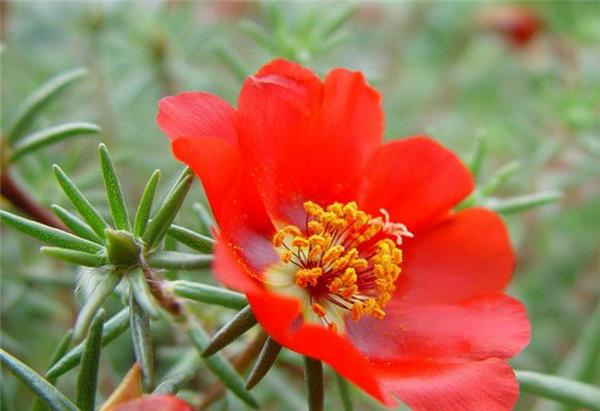
Scutellaria barbata prefers a warm and humid climate and has low requirements for soil conditions. When the seedlings grow 5 leaves, they can be transplanted into pots. Choose a 10-15 cm clay pot; mix 4 parts of loose, well-aerated sandy fertile garden soil with 1 part of rice husk ash to make the growing soil, generally planting 4-5 plants per pot; for planting in flower beds and flower borders, the row spacing is 8-10 cm, and each should be watered thoroughly once, after which keeping it semi-moist is sufficient. During the growing period of Scutellaria barbata, appropriately applying several times of dilute nitrogen, phosphorus and potassium compound organic fertilizer water can make the plants grow robustly, increase tillering, and make the flower colors vivid. But after each fertilization, it is necessary to spray water to wash the stems and leaves, so as to keep the plants clean. Scutellaria barbata is relatively drought-tolerant, and watering should be moderate; if watered too much, with high soil moisture lasting for a long time, it will cause root rot.
III. Effects of Scutellaria barbata on the home environment
1. Scutellaria barbata can effectively remove harmful substances such as sulfur dioxide, chlorine, ether, ethylene, carbon monoxide and nitrogen peroxide, and can also absorb these toxic gases released by household appliances and plastic products, so as to prevent the owner from being harmed by these toxic gases. Scutellaria barbata is a very useful "air scavenger"; planting it at home not only allows you to enjoy it, but also purifies the air for your home, absorbing harmful gases from the air so that you can breathe fresh air. Also, because of the resistance of these plant bodyguards, the chances of harm to you will be greatly reduced, making your living environment healthier.
2. Greening your home environment. Planting one or two potted Scutellaria barbata in your home environment greens your home, provides people with mental relaxation and artistic enjoyment, and can make the owners' lives more comfortable and healthy.
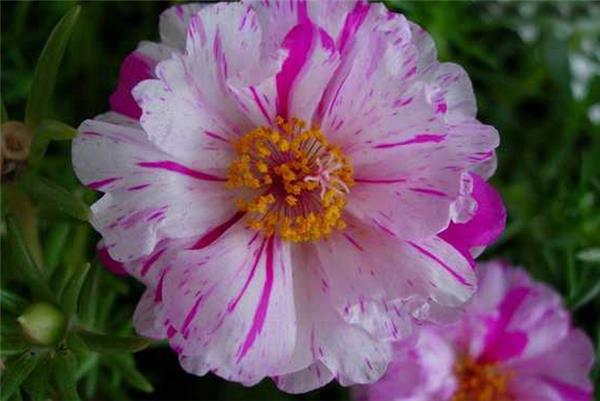
3. Growing potted Scutellaria barbata indoors not only provides home greening, but also regulates indoor temperature, humidity and air, adsorbs dust, and reduces noise, bringing many benefits to people's life and leisure. In modern society, due to the development of modern industry, the air is becoming more and more turbid and there is more and more noise. If you plant a few pots of Scutellaria barbata at home, it can moderately reduce floating particles in the air and reduce noise, making your life more comfortable and pleasant.