What nutritional value does coriander have? A detailed explanation
Coriander is not only refreshing in taste, but its nutritional benefits are also very notable. Traditional Chinese medicine holds that coriander is warm in nature and sweet in taste, entering the lung and stomach meridians, and can strengthen the stomach and aid digestion, promote sweating to bring out rashes, promote urination and relieve constipation, dispel wind and detoxify; it also has a certain dietary therapeutic effect on incomplete eruption in the early stage of measles, food stagnation, and poor appetite. So what is the nutritional value of coriander?
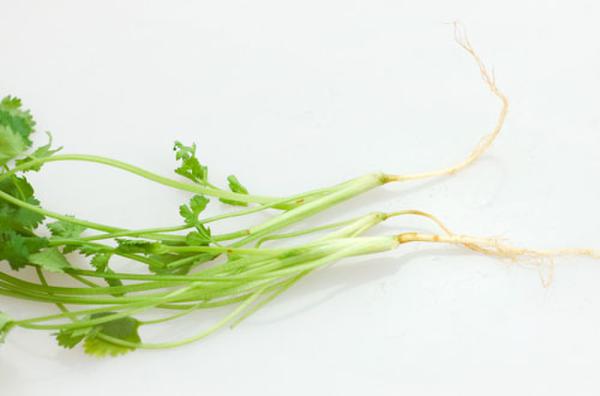
Nutritional components of coriander: every 100 grams of coriander contains 90.5 grams of water, 1.8 grams of protein, 0.4 grams of fat, 1.1 grams of ash, 5 grams of carbohydrates, 1.2 grams of crude fiber, 101 milligrams of calcium, 272 milligrams of potassium, 48.5 milligrams of sodium, 33 milligrams of magnesium, 49 milligrams of phosphorus, 2.9 milligrams of iron, O.28 milligrams of manganese, 0.45 milligrams of zinc, 0.2l milligrams of copper, 0.53 micrograms of selenium, 1.16 milligrams of carotene, 0.04 milligrams of thiamine, 0.14 milligrams of riboflavin, 48 milligrams of ascorbic acid, and 2.2 milligrams of niacin.
Nutritional value of coriander: promotes urination and lowers blood sugar. It has the effects of promoting sweating to bring out rashes and aiding digestion and descending qi, and is suitable for symptoms such as colds, the early stage of measles or rubella in children with incomplete eruption, food stagnation, and indigestion.
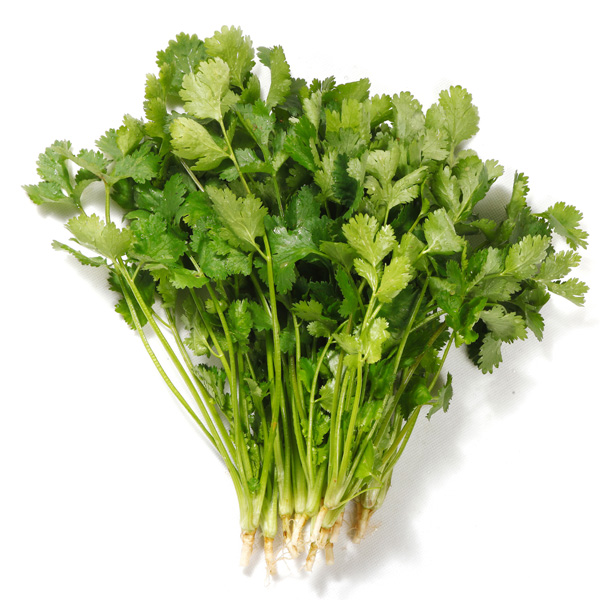
How to eat coriander: it is an excellent seasoning in cooking, with the effect of removing fishy odors and increasing appetite. It can be used to make soup, cold dishes, or pickles, etc.
Special note: coriander should not be eaten in large amounts, otherwise it causes qi deficiency. Patients with gastric ulcers, athlete's foot, bad breath, or body odor, and those taking tonic medicines, should not eat it.
Nutritional benefits of coriander
"Compendium of Materia Medica" says that coriander is "pungent, warm, fragrant and penetrating, internally reaching the heart and spleen, externally reaching the four limbs, and can ward off (avoid) all unhealthy qi." "Ri Yong Ben Cao" also states that coriander can "disperse food and transform qi, unblock qi stagnation in the large and small intestines. Treat headache and tooth disease, and neutralize fish poison." Therefore, traditional Chinese medicine holds that coriander has the benefits of promoting sweating to bring out rashes, aiding digestion and descending qi, dispelling wind and detoxifying, aromatic stomach-strengthening, and refreshing the stomach, and also improves poor appetite, abdominal distension from food accumulation, colds, and painful swollen hemorrhoids; in addition, coriander can promote ovulation and regulate sex hormones in women's bodies.
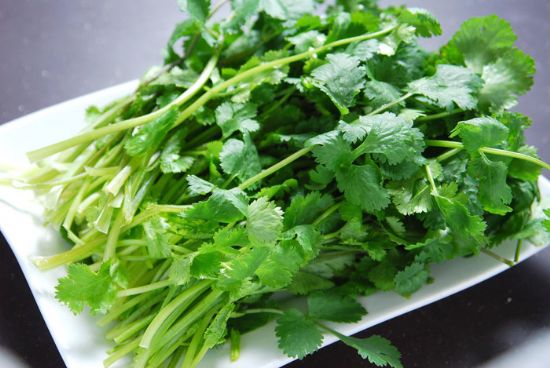
Coriander can be eaten raw or cooked; it can be used in cold dishes, stir-fries, soups, and hot pot ingredients, and can also be pickled, all fragrant and delicious.
Benefits: coriander contains many volatile oils, and its special aroma is released by these volatile oils. It can remove the fishy and gamy smell of meat, so adding some coriander to certain dishes can achieve the unique effect of removing fishy and gamy odors and enhancing flavor. "Compendium of Materia Medica" says that "coriander is pungent, warm, fragrant and penetrating in nature and flavor, internally reaching the heart and spleen, externally reaching the four limbs." In real life, it indeed has the effects of aromatic stomach-strengthening and dispelling wind and detoxifying, can relieve the exterior and treat colds, has the functions of lubricating the large intestine and promoting urination, and can promote blood circulation.
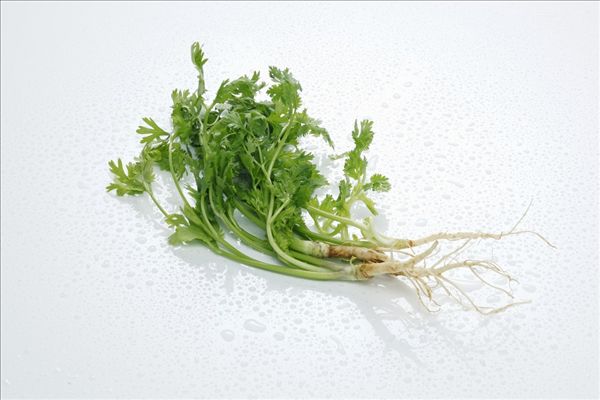
Suitable groups: suitable for all ages. Especially suitable for those with colds and poor appetite, and children with measles.
Appropriate amount: 3 to 10 grams each time.
Warm reminder: do not eat rotten or yellowed coriander, because such coriander no longer has aroma, has none of the above effects at all, and may produce toxins. When taking tonic medicines and the Chinese medicines Atractylodes macrocephala and Moutan cortex, it is not advisable to eat coriander, so as to avoid reducing the efficacy of the tonic medicines. People with bad breath, body odor, severe dental caries, gastric ulcers, and sores should not eat coriander.