How to Grow an Orchid Cactus (Epiphyllum): Detailed Guide to Care Methods and Precautions
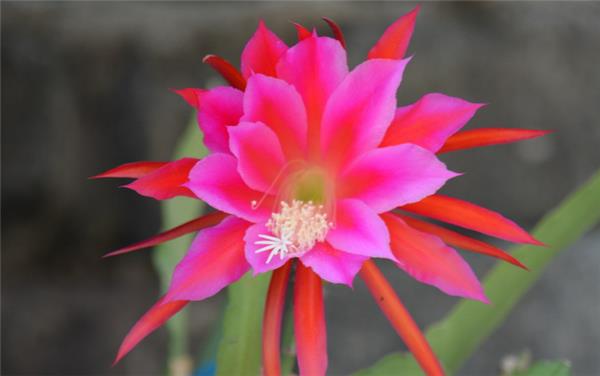
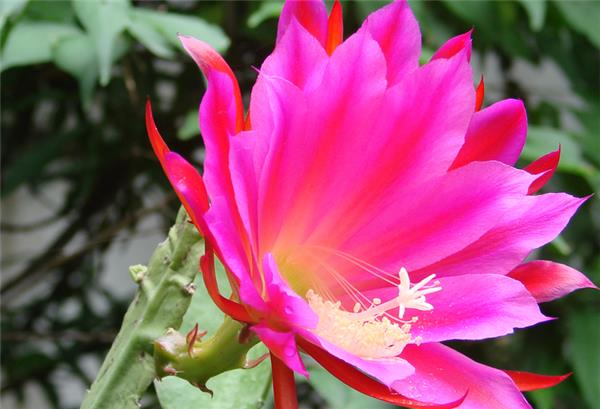
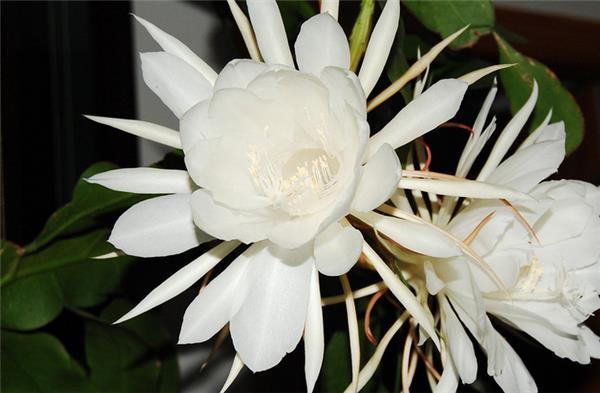
The orchid cactus (Epiphyllum) is a flower that resembles a water lily, and it was named for this very reason. It is a shrub-like flowering plant with some special requirements in its growing habits; it likes a bright, well-ventilated environment, though when the temperature is too high and the weather too dry, shading is needed. Like most plants, it prefers fertile, loose soil. Because it belongs to the cactus family, it naturally has a certain drought tolerance. Let us now learn about how to grow an orchid cactus.
I. How to Grow an Orchid Cactus
Orchid Cactus Care: Repotting Management
Repotting is needed once every two years, and spring and autumn are usually chosen for it. Good potting soil is required when repotting. Generally, the potting soil should be mainly sandy soil, supplemented with an appropriate amount of nutrient soil, that is, 4 parts leaf mold, 2 parts compost soil, 3 parts garden soil and 1 part sand; after stirring and mixing, it can be moved into the new growing medium. By all means, when repotting, be sure to remove dead and decayed roots as well as some of the old soil.
Orchid Cactus Care: Fertilizer and Water Management
Close attention should be paid to fertilizer and water management for the orchid cactus. During the growing season, apply a thorough fertilizing once every ten days to half a month, but be sure it is dilute. At the bud stage, the fertilizing intensity can be increased slightly to promote flower growth. During fertilizing, water and loosen the soil in time, and alternating dry and wet periods is an important principle of fertilizer and water management for the orchid cactus. Therefore, waterlogging in the pot must be avoided, otherwise it will cause root rot. Watering to seventy or eighty percent is the key point of management. Then in spring and summer, watering should be in the form of spraying to maintain air humidity, while after winter arrives, watering should be controlled and fertilizing stopped.
II. Precautions for Growing an Orchid Cactus
1. Choose a good growing medium: a loose, fertile humus soil is preferable, which can be mixed from 10 parts mountain soil, 3 parts river sand and 2 parts rice husk ash; avoid heavily alkaline or clayey soil.
2. Choose good environmental conditions: place the pot where there is light and ventilation, and keep the surface of the potting soil on the dry side rather than too wet.
3. Pay attention to fertilizing: in March before flowering, apply 1 to 2 times a fertilizer combining nitrogen and phosphorus; the fertilizer can be slightly more concentrated, which helps the buds develop and open.
The orchid cactus has an underdeveloped root system, so 2 to 3 varieties with different flower colors and different flowering periods can be planted together in a large-mouthed pot of more than 25 cm, so that in one pot you can appreciate flowers of different colors and also extend the viewing period. At the same time, grafting different varieties of orchid cactus onto a cactus ball can likewise produce flowers of multiple colors in one pot, and can also make them bloom earlier.
Choose a cactus ball more than 10 cm in diameter as the rootstock, and use stem segments of different orchid cactus varieties as scions. The stem segments should be two-year-old, thick and fleshy, and relatively narrow at the base. After grafting, place them in a cool, dry place. Do not bind the joint with plastic or the like, and even more, do not let it get wet, so as to avoid infection and rot at the joint. Once it has survived, move it to a spot with ample sunlight and remove the offsets on the rootstock at any time, so that the scion has sufficient nutrients to promote vigorous growth; by March to April of the following year it can form buds and bloom. If what was grafted is a four-season orchid cactus, it can even bloom 2 to 3 times a year.
III. The Benefits of the Orchid Cactus
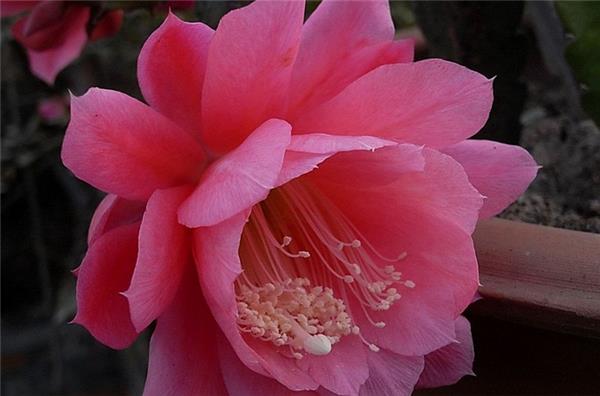
Decorative value of the orchid cactus: the orchid cactus has beautiful flowers and attractive stems, and its multi-colored varieties lay a good foundation for decorating the home; it can generally be placed on a windowsill or on the living room balcony.
Air-purifying value of the orchid cactus: unlike ordinary plants, it releases oxygen at night and carries out metabolism, so placing it in a room can provide fresh oxygen at night. Moreover, in daily life, the plant can provide an appropriate amount of negative ions, which improves the human body and has an effect against radiation, so placing a pot near the television not only absorbs radiation but also increases the concentration of negative ions.
Feng shui value of the orchid cactus: in feng shui, the orchid cactus is considered a fire-natured plant, so in feng shui terms, if the owner lacks fire, it is appropriate to grow an orchid cactus. This can improve feng shui. It can also improve the aura; for example, people born in the Year of the Dog are suited to placing it in the northeast direction, while those born in the Year of the Dragon or Snake should face south, so a pot of orchid cactus can be grown in the south.