How to grow English ivy? A detailed guide to English ivy cultivation methods
Growing English ivy does not require much effort. The main thing to pay attention to during cultivation is timely tidying and pruning of its branches and leaves, because it grows very fast and will spread and grow before you know it, climbing to great lengths.
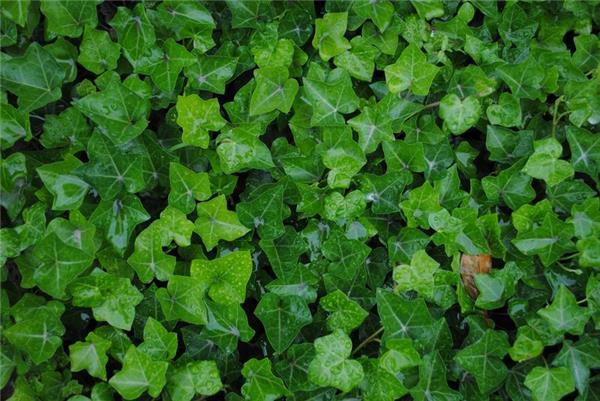
Points to note when growing potted English ivy
Propagation: English ivy is mainly propagated by cuttings. English ivy can be propagated by cuttings throughout the year, except in the severe cold of winter and the intense heat of summer, as long as the temperature is suitable. Cuttings are mostly taken from current-year branches. When taking cuttings, generally cut 1-2 year old branches about 10 cm long as cuttings, and insert them into a seedbed with coarse sand or vermiculite as the substrate, or directly into a pot with loose potting soil. For the large-leaved Canary Island ivy, the branches must first be soaked in water before being taken out for cuttings. After cutting, place them in an environment with relatively high air humidity and slight shade, and keep the substrate moist. At a temperature of about 15-20°C, roots can form in about two weeks. After the mother plant's runners develop roots, they can also be cut off and planted. Sometimes the mother plant's runners are buried and pressed into sandy soil with the leaves exposed, and adventitious roots can develop at each node. After the internodes have rooted, they can be cut into sections and planted.
Soil: English ivy is not demanding about soil. Generally, fertile, loose soil is used as potting substrate, such as equal parts of garden soil and leaf mold mixed together. It can also be prepared from leaf mold, peat soil and fine sandy soil with a small amount of base fertilizer, or it can be grown in sphagnum moss alone. For potted plants, generally plant 3-5 plants per pot.
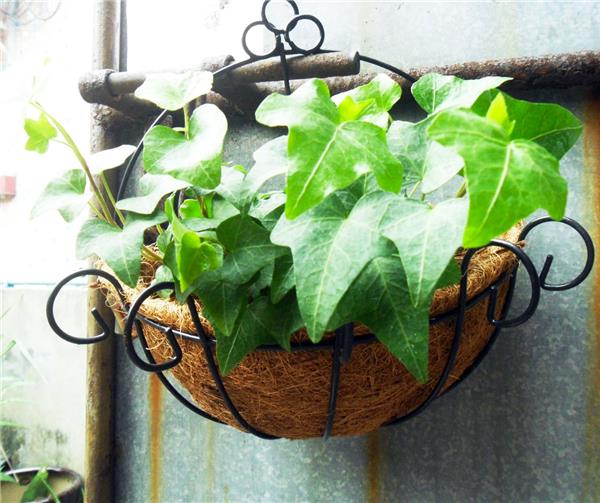
Light: Usually it should be placed in diffused light so that the leaves are dark green and glossy. Especially for variegated varieties, the leaf color is even more beautiful in a shaded environment.
Watering: English ivy is a succulent flower and should not be watered frequently; watering should follow the principle of watering when dry and stopping when wet. Insufficient water makes the base of the plant prone to leaf drop; overwatering also easily causes root rot.
Temperature: In the intense heat of summer, it must be placed in a cool, ventilated place. High ambient temperature is unfavorable for the growth of English ivy, so it is advisable to use more foliar spraying and watering. In winter, potted plants should be moved into a greenhouse, and the temperature should be kept at 10°C.
Fertilization: Generally, during the growing season, especially in spring and autumn, fertilizer should be applied appropriately, with liquid fertilizer applied 1-2 times per month. At the same time, note that the ratio of nitrogen, phosphorus and potassium in the fertilizer should be 1:1:1. The nitrogen proportion must not be too high, otherwise the variegated leaves will turn green. During the seedling stage, water and fertilizer management should be strengthened to speed up growth.
Pruning: During the plant's growth process, attention should be paid to pruning to encourage more branching and make the plant shape fuller.
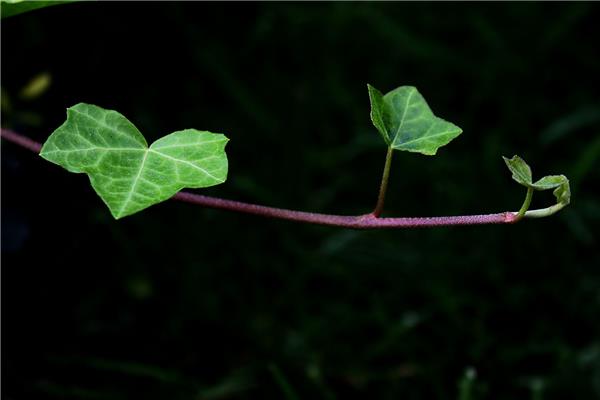
The uses and benefits of English ivy
English ivy is most commonly planted on outdoor walls or in courtyards, or grown in indoor hanging baskets. No matter where they are, they have vigorous vitality, climbing like geckos and extending like spider webs, and every late spring and summer we see a mass of emerald green. Its leaves are like maple leaves, and when it blooms it also opens small pale yellow-white flowers, very beautiful and fresh. It has become a popular landscaping ornamental plant. Whether in an outdoor environment or indoors, it can bring a mass of emerald green and bring hope. Especially indoors, it is a very eye-catching green plant that can play a decorative and beautifying role and can improve the naturalness and freshness of the owner's living environment. Moreover, it is also a very healthy and eco-friendly ornamental plant. It can not only green the environment but also purify the air, absorb indoor waste gases and release oxygen through photosynthesis, among many other functions.
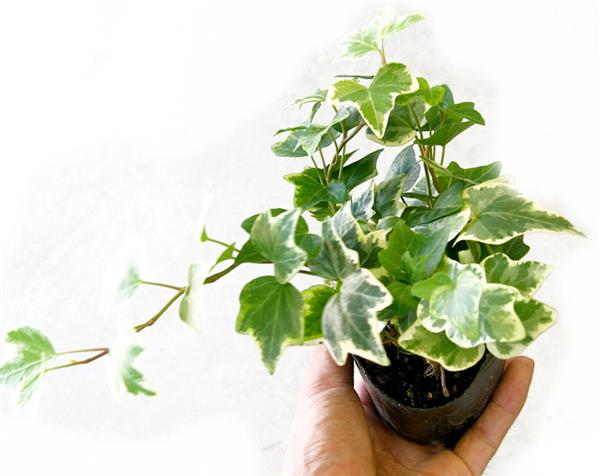
English ivy also has good medicinal value. The whole plant can be used as a traditional Chinese medicine. It can clear heat and reduce internal heat and has a good protective and nourishing effect on the human liver.