Introducing the Benefits and Planting Methods of Lantana
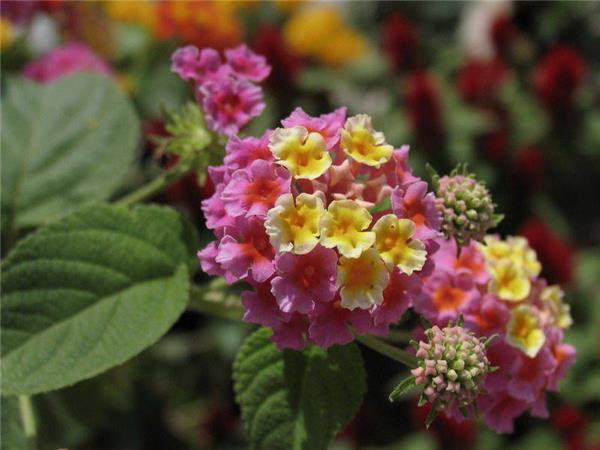
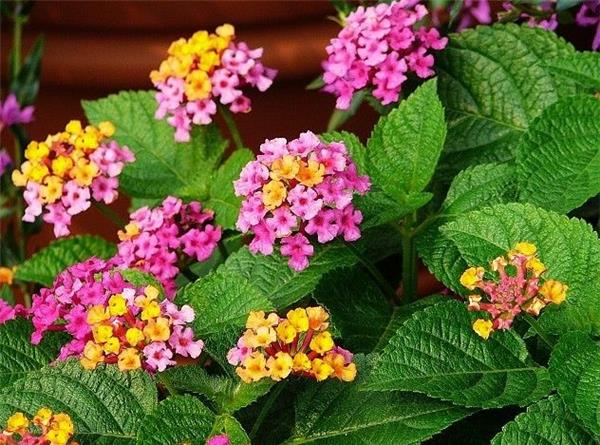
Lantana is a classic flowering ornamental plant. Because its flower colors are rich and different from other flowers, you can see flowers of different colors on the same flower cluster, and its ornamental style can be considered truly unique.
I. Introduction to Lantana
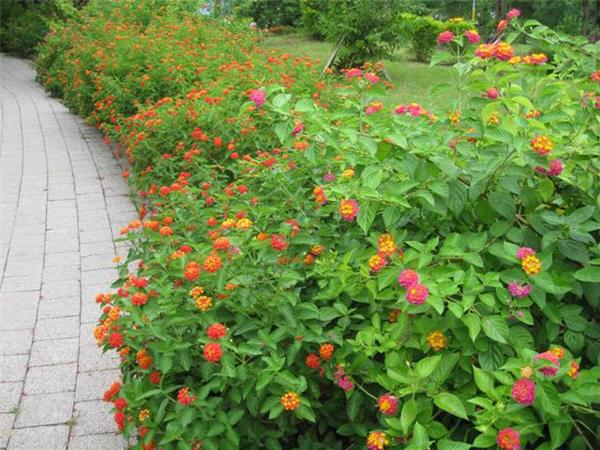
1. The flowering period of lantana is roughly from mid-to-late April to around mid-February of the following year. However, in southern regions, lantana is generally planted directly in the open ground. With proper care, lantana can bloom all year round. In northern regions, lantana is generally grown in pots, and it blooms most vigorously in July-August.
2. The flower meaning of lantana: cheerful, lively.
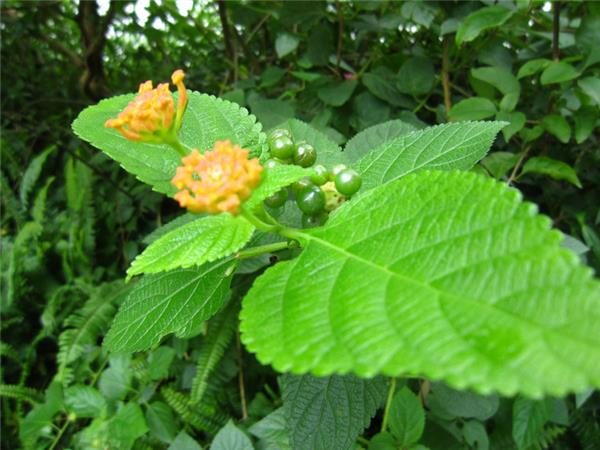
4. The flowers and leaves of lantana are toxic, and accidental ingestion can cause diarrhea and fever. Lantana has a special odor, but the odor is non-toxic and causes no harm to the human body.
II. The Benefits and Effects of Lantana
Ornamental: Lantana's flower colors are rich and varied, and some varieties even change flower color within a single day, making it feel like a mischievous, lively child full of changes. Lantana has a long flowering period and can bloom all year round in the south, as if a cheerful child always greets every day with a smile. Lantana has a special odor that can attract butterflies in droves. The colorful flowers and lively butterflies are especially eye-catching.
Bonsai: Lantana's young branches are soft, making it suitable for making many forms of bonsai. It can be processed into different bonsai forms such as single-trunk style, double-trunk style, waterside style, and slanting-trunk style, and it is also very suitable for home decoration. Lantana's leaves are relatively large, and the crown is often styled in an elegant natural shape, or it can be deliberately trained into a rounded flat shape. Because it grows rapidly, has strong sprouting ability, and tolerates pruning, the shaping method should focus mainly on pruning, supplemented by wiring and pulling; lantana's branches are straight and lack natural grace, so metal wire can be used to bend them. The Lingnan school's "trunk cutting and branch reserving" technique can also be used for shaping.
Air purification: Lantana has strong resistance to dust and pollution. Planting it in home courtyards or along roadsides can absorb and purify dust in the air and improve air quality.
Repelling mosquitoes and flies: The branches, leaves, and flowers of lantana release an odor that mosquitoes and flies are sensitive to, giving it a strong effect in repelling mosquitoes and flies. It not only repels mosquitoes and flies effectively, but also has bright and changeable flower colors. It has the reputation of "seven-change mosquito-repelling flower" and has the dual function of repelling mosquitoes and flies and beautifying the courtyard.
Medicinal use: Lantana can be collected and processed, with the root or the whole plant used as medicine. It can be collected throughout the year and used dried or fresh. Root: clears heat and detoxifies, dissipates nodules and relieves pain. Used for high fever from colds, persistent fever that does not subside, cervical lymphatic tuberculosis, rheumatic bone pain, stomach pain, and traumatic injuries. Leaves and branches: used externally for eczema, dermatitis, itchy skin, boils, and traumatic injuries.
III. Propagation Methods of Lantana
Seed propagation: Sowing can be done in late autumn in pots under high humidity and warm conditions, or in spring. In South China, seedlings grown from seed can be used to plant flower beds, and flowers can be seen as early as September of that year. After the fruit ripens, pick it and heap-ferment it, then soak and rub it in water to remove the flesh and obtain the seeds. Seeds should not be allowed to lose water. They can be collected in autumn and sown immediately, or stored mixed with sand and sown in spring. After sowing, the temperature during the germination stage should be kept above 20C. The germination rate is about 60%, and seedlings sown in the south can bloom in autumn of the same year.
Cutting propagation: Cuttings are mostly taken in May. Use one-year-old branches as cuttings, with every two nodes as one section. Keep the 2 leaves on the upper node and cut them in half, and insert the lower node into plain sandy soil or a substrate mixed evenly with half plain sandy soil and half fully decomposed humus soil. After inserting, provide shade, cover with film to retain moisture and warmth, and keep the cutting bed moist and the air humidity at 80%-90%. Roots will develop in about 1 month, and new shoots will sprout. After the seedlings survive, if they are to be planted in open-ground flower beds, it is best to first plant them in small flowerpots as a transition. When the roots of the cuttings have grown to about 5 cm long and some have turned brown, transplant them into pots and place them under light shade for a period of care. After the new roots are well developed and white roots emerge from the bottom holes, remove them from the pots and plant them in the final location.
Layering propagation: The plant has many branches and roots readily where it touches soil, so cut or wound flexible branches and press them into the soil. After the root system grows, cut them from the parent plant and divide them.
Isn't lantana, which changes flower color constantly within a single day, extremely attractive? This flowering plant, which keeps changing with temperature and light, has extremely high ornamental value. Placed in a room, it can add a lot of color to indoor life.