How to Grow Passionflower? A Detailed Guide to Cultivation Methods
Passionflower (Passiflora) also belongs to the Passifloraceae family, originated in South America, and is a perennial evergreen herbaceous or semi-woody climbing vine. Passion fruit juice is also rich in the flavors of pineapple, banana, strawberry, and sour plum, with 165 kinds of mango flavors, making it a world-famous aromatic fruit. So how do you grow passionflower? Let us find out.
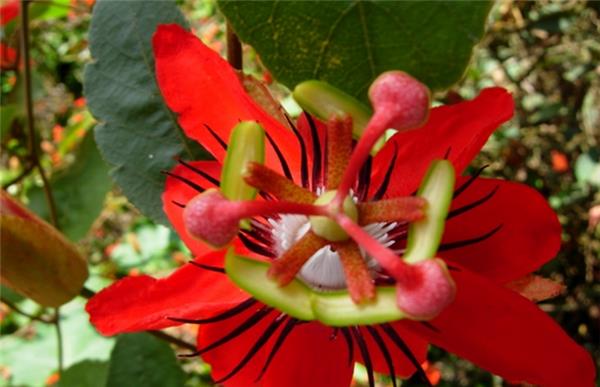
I. How to Grow Passionflower
The homeland of passionflower is the highlands of Mexico at an altitude of 1500 m. It can neither tolerate cold nor endure extreme heat. The climate there is mild and cool, and it enters dormancy during a period of low temperatures. Passionflower is also called egg fruit or passion fruit, and has the elegant nickname "fruit of passion." Its fruit is sweet and sour, rich in flavor, and delightfully fragrant.
Seed propagation is generally limited to flowerbed varieties and breeding purposes. In summer, fruit set is often poor due to damp heat, so seeds are mostly collected from those that mature after the autumn cool. The drooping-petal varieties are difficult to obtain seeds from and require artificial supplementary pollination. Sowing is generally done in a seed box at around 20 C, and sprouts emerge in 4 to 5 days. After true leaves grow out, they are transplanted separately, and they bloom after 1 to 2 years.
Root division propagation is the most commonly used method. Because passionflower can only sprout from the root crown, a portion of the root crown must be included when dividing, otherwise new plants cannot sprout. To make identification easier, the pre-buried root method is often used to force sprouting, and after adventitious buds on the root crown sprout, they are divided and planted. The root division method is simple and easy, with a high survival rate and strong seedlings, but the number of propagated plants is limited.
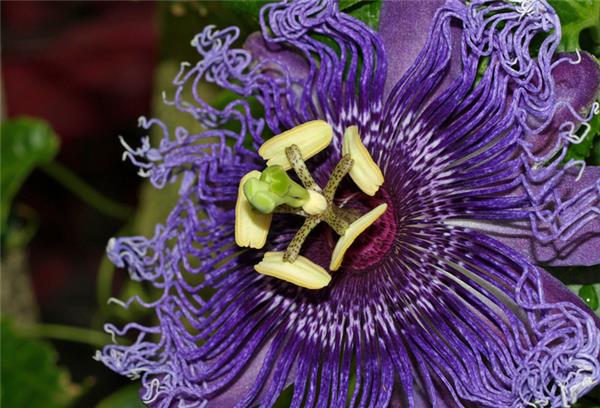
II. Passionflower Flower Language and Symbolic Meaning: Yearning
Passionflower's flower language and symbolic meaning: Yearning
Although passionflower originated in South America, as long as you spend a little more time, it can also be grown in a greenhouse, where it will produce yellow and very delicious fruit. People often cultivate it because they want to eat this fruit. The fruit of passionflower looks like an egg, and its juice is also as golden-yellow and tempting as egg yolk, so it is also called egg fruit. The fruit comes in yellow, purple, and purple-yellow hybrid color-changing varieties. Once the fruit ripens, its fragrance is striking. After analysis, scientists found that it has the fragrance of fruits such as pomegranate, pineapple, banana, sour plum, and strawberry, and it can be said to be the most fragrant fruit in the world. Therefore, people also call it "passion fruit."
Related legend: In the legends of the Native Americans, passionflower was the daughter of the day. She inherited the passionate sunlight given by her father, and she always overflowed with a brilliant smile. She was the most beautiful flower in the forests and grasslands. One day, when the morning star first rose, passionflower was awakened from her sleep by a noisy sound. She opened her eyes and saw a young man playing in the water by the river. His handsome appearance attracted the princess, and passionflower fell in love with him at first sight. This young man was not like the other people passionflower saw during the day; he was the guide of the night and appeared only at night. The princess admired this night guide very much, calculating the time all the time, waiting for night to come, hoping to see the night guide once.
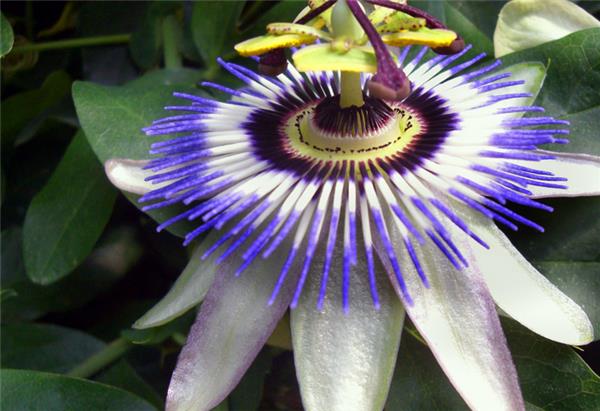
III. How to Eat Passion Fruit
There are many ways to eat passion fruit. Now let me introduce a few popular ways to eat it.
1. Eat it fresh directly: This is the most common way to eat it. We can cut it open and eat it directly. Many people cut one end of the fruit open, then scoop it out with a spoon and eat the pulp directly. The seeds are edible, rich in high-grade protein, and taste very good! Remember that the skin cannot be eaten directly!
2. Passion fruit pulp can also be made into preserved fruit, jam, ice cream, pies, or pastries.
3. Make juice: Take one passion fruit, cut it open, use a spoon to take out the seeds and pulp into a 500 ml water cup, pour in cool boiled water. If you do not like sourness, you can also add a small amount of white sugar or rock sugar to adjust the sweetness, and stir to get a cup of nutritious juice with excellent color, aroma, and taste. If you blend it with a juicer for a few seconds, the result is even better. Use ice water in summer and warm boiled water in winter, and add a few drops of honey for an even better flavor. It is sweet, sour, and delicious! Remember it is best not to mix it with boiling water, otherwise the taste will be more sour.
4. In addition to being used to extract pectin, medicinal ingredients, and processed feed, the fruit shell can also be used to soak wine or tea, and to cook dishes.
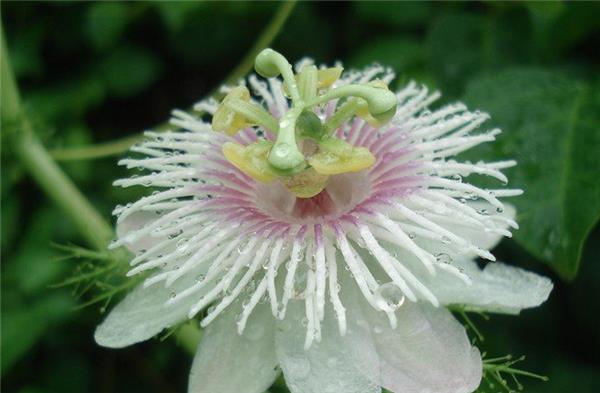
Passionflower has relatively few pests and diseases during cultivation, mainly root rot and Phytophthora blight. Usually, the sources of disease can be reduced by preventing water accumulation and pruning branches. Once infection is found, it should be treated promptly. That is all for how to grow passionflower and the cultivation methods of passionflower. I hope it is helpful to everyone.
Passionflower has relatively few pests and diseases during cultivation, mainly root rot and Phytophthora blight. Usually, the sources of disease can be reduced by preventing water accumulation and pruning branches. Once infection is found, it should be treated promptly. That is all for how to grow passionflower and the cultivation methods of passionflower. I hope it is helpful to everyone.