Is mulberry poisonous? A detailed explanation of the season when mulberry trees bear fruit
Although mulberry fruits are not as large as other fruits, their small size always manages to draw people's attention. The mulberry tree is useful in every part: its leaves can be used to raise silkworms, its wood can be used in medicine, and the wood ear fungus that grows on the mulberry tree also has medicinal value. So what about the fruit of the mulberry tree?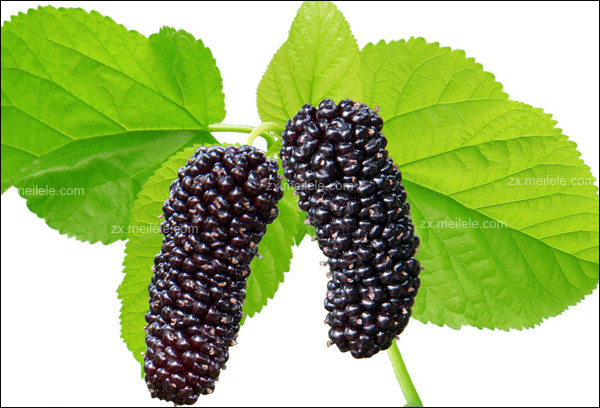
In rural areas, the mulberry is a very common deciduous tree, with ovate leaves that serve as feed for silkworms. Its fruit, the mulberry, is purplish-black, pale red or white, juicy and sweet. Mulberries can be eaten directly, and not only that, they can also be used in medicine.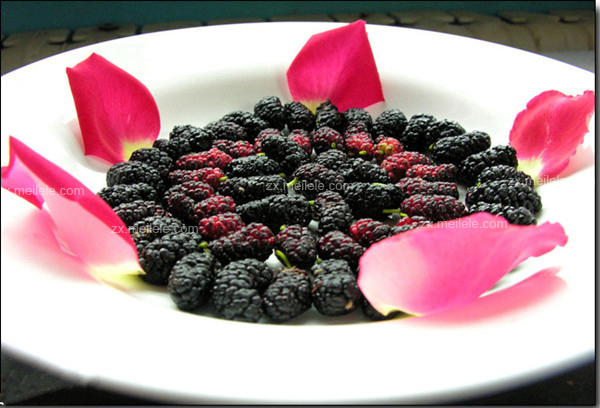
Traditional Chinese medicine holds that mulberries are sweet and sour in taste and slightly cold in nature, entering the heart, liver and kidney meridians, making them an excellent fruit for nourishing and strengthening the body, calming the heart and improving intelligence. They have the effects of nourishing the blood and enriching yin, promoting fluid production and quenching thirst, and moistening intestinal dryness, and are mainly used to treat dizziness and blurred vision, tinnitus and palpitations, restlessness and insomnia, soreness and weakness of the waist and knees, premature graying of the hair and beard, thirst and dry mouth, and dry bound stool caused by insufficient yin and blood.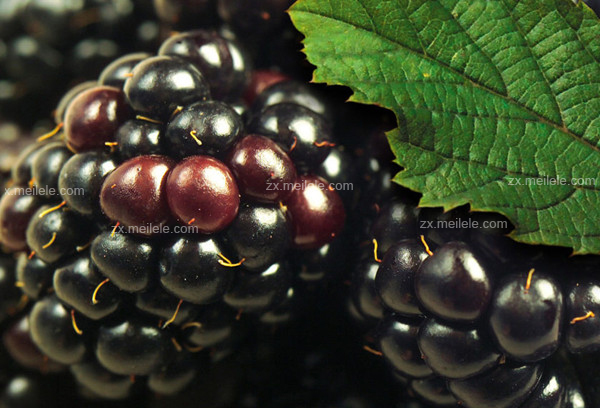
Modern pharmacological research shows that mulberries entering the stomach can supplement the lack of gastric juice and promote gastric digestion, while entering the intestines they can stimulate the gastric mucosa, promote intestinal juice secretion and enhance gastrointestinal peristalsis, and thus have the effect of tonifying and strengthening the body.
So when do mulberry trees bear fruit?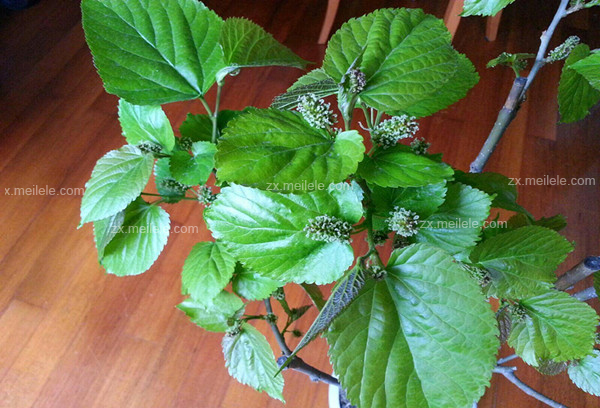
According to the growth patterns of the plant, the mulberry tree's flowering period is in April, and the fruit ripens in May to July. Some people, in order to be able to eat mulberries, carry out a series of management practices on the mulberry tree so that it bears fruit more than once within a year.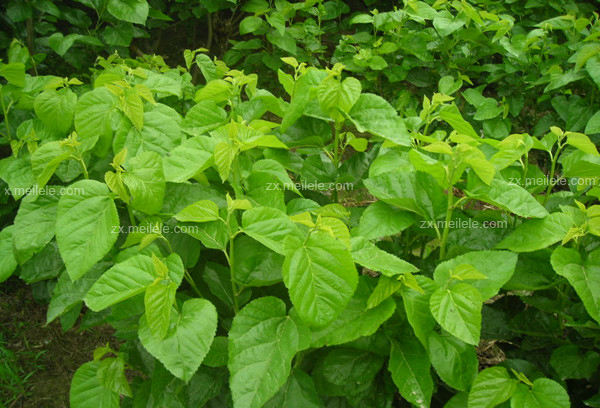
Moreover, depending on the region, the time when mulberry trees bear fruit also differs. In some places they bloom in early May, and not long after that they begin to bear fruit and ripen. Overall, the fruit ripens from April to June each year, and can be eaten directly after picking, or eaten after being sun-dried or briefly steamed and then sun-dried.
Summary: The above is the relevant information on when mulberry trees bear fruit and whether mulberries are poisonous. I hope it can help friends who are feeling confused. The above information is for reference only.
More information
| Cuban oregano | Marigold cultivation | How to care for the happy tree | Flower pictures and names | The effects of golden pothos flowers | How to grow gardenia |
| How to grow cactus | Pictures of potted flowers | Orange jasmine bonsai | How to grow Christmas cactus | Serissa bonsai | Bowl lotus |
| Office feng shui plants | How to grow Alocasia amazonica | How to grow camellia | Hyacinth flower language | Rose pictures |
| Zamioculcas pictures | Plum blossom poems | Potted fruit trees | How to grow carnations | Is the rubber tree poisonous | Cymbidium 'Jiuzi Dahua' |